Hydrophilic Textile Softener for Polyester and Polyester-Cotton Blends
Buyer-facing sourcing candidate for a light-yellow, weak-cationic hydrophilic softener emulsion used as a textile finishing auxiliary for polyester and polyester-cotton blend fabrics. Key checks for overseas buyers should focus on confirming chemical identity because CAS, formula, and EINECS are listed as N/A, verifying active content or concentration, pH range, ionic compatibility, impurity and yellowing performance, export documentation, and packing suitability for international shipment.
Quick buying facts
Identify the grade, package, and import market before comparing suppliers.
Use this page to check the product identity, common specification points, document scope, package notes, and destination-market questions before sending a China sourcing request.
CAS No.: Not provided / listed as N/A; buyer should request full chemical identity or component disclosure suitable for import screeningTextile finishing auxiliary / hydrophilic softener emulsionCandidate - requires CAS/spec and export document verification
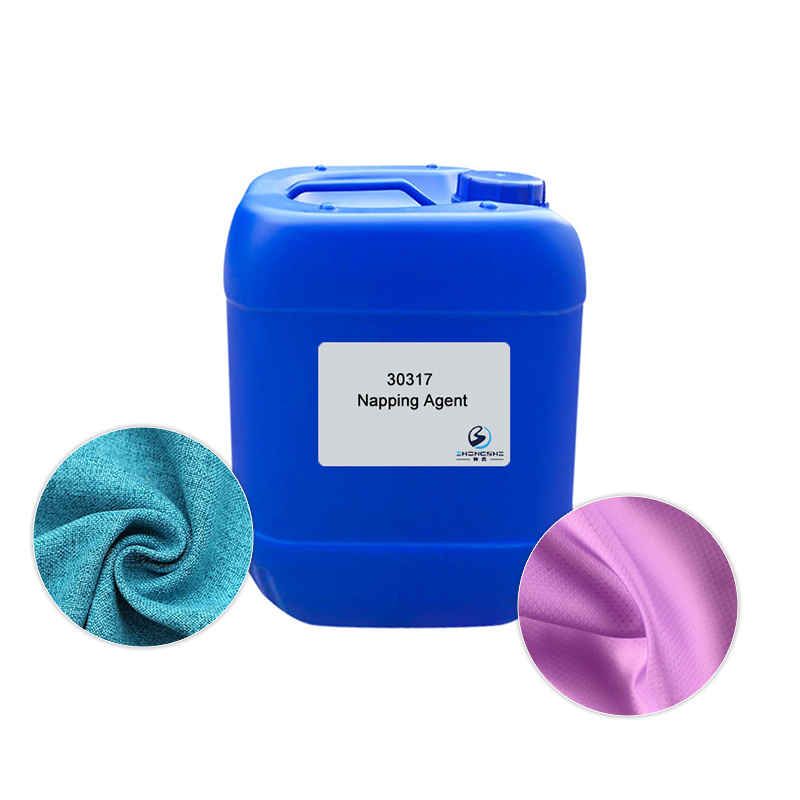
Substrate focus: Polyester and polyester-cotton blend fabrics, especially napping-fabric finishing
Performance claims to verify: Hydrophilicity, soft hand feel, low yellowing, low shade change, limited effect on color fastness
HS Code listed by source: 3910000000; buyer should verify whether this classification applies to the shipped composition
Who uses this page
Target buyers
Textile finishing mills
Polyester and polyester-cotton fabric processors
Napping fabric producers
Garment export supply-chain chemical procurement teams
Textile auxiliary distributors
Dyeing and finishing chemical formulators
Brand-nominated textile chemical sourcing teams
Before matching
Documents to check
CAS number, grade, assay, and impurity profile
SDS, COA, TDS, HS code, and transport classification
Destination-market import documents before supplier matching
Package and route
Packing notes
Reported transport package: Plastic barrel
Reported specification: 120 kg per barrel
Request net weight, gross weight, drum dimensions, palletization details, and container loading quantity before RFQ confirmation
Confirm whether export packing is suitable for sea freight and whether leakage-resistant inner sealing is used
Request shelf-life, storage-condition statement, batch coding format, and retained-sample policy from supplier documentation
Applications and sourcing options
Check whether this product fits the buyer's actual application.
Clear application, grade, package, and document notes help separate real sourcing demand from a vague price check.
Use context
Common applications
Sourcing evaluation for hydrophilic softener used in textile finishing
Supplier qualification for polyester and polyester-cotton blend fabric auxiliaries
Pre-RFQ screening where CAS/specification disclosure is required
Replacement search for weak-cationic softener emulsions with low-yellowing performance claims
Document-readiness check for textile export supply chains
How we compare
Sourcing options
Request sample with SDS, TDS, and COA before bulk purchase
Compare model 30317 against hydrophilic silicone softeners and non-silicone softener emulsions
Ask supplier for active-content variants or customized concentration if available
Source in 120 kg plastic drums for pilot or commercial lots after DG/export classification is confirmed
Consider third-party lab testing for pH, solid content, ionic character, yellowing tendency, and restricted substances
Human review
Compliance notes
CAS, formula, and EINECS are not disclosed in the source listing; this is the main import-compliance gap and should be resolved before purchase
Request SDS in the destination-market language or English, TDS, COA, composition disclosure where legally available, and transport classification statement
Confirm whether the product is classified as dangerous goods for sea, air, or road transport; do not rely only on marketplace shipping descriptions
Check REACH, UK REACH, TSCA, DSL/NDSL, AICS/AIIC, K-REACH, KKDIK, or other inventory status as applicable to the buyer’s destination market
Verify any restricted substances, APEO/NPEO, formaldehyde, organotin, PFAS, SVHC, heavy metals, and textile brand RSL/MRSL relevance if supplying export garment mills
Confirm ZDHC MRSL conformance, OEKO-TEX/ECO PASSPORT, bluesign, or similar textile-chemical documentation if required by downstream customers
HS code 3910000000 may indicate silicone-related material, but the source does not provide a clear chemical identity; classification should be reviewed by importer or customs broker
No regulatory guarantee should be assumed from supplier membership, audit status, or marketplace listing
Buyer search paths
Related sourcing terms
These terms support long-tail discovery while keeping the page focused on useful product and China export buying context.
Share target market, quantity, packaging scope, artwork status, delivery destination, and required documents so CHN Chemicals can prepare a cleaner supplier comparison.
Questions to confirm
What is the exact chemical identity or composition range, and why are CAS No., formula, and EINECS listed as N/A?
What is the active content or solid content of model 30317?
Can you provide current SDS, TDS, COA, and sample COA for a recent production batch?
Is the product silicone-based, fatty-acid-based, quaternary-ammonium-based, or another softener chemistry?
What are the impurity limits for residual monomers, volatile content, heavy metals, APEO/NPEO, formaldehyde, and other textile restricted substances?
Is the product compliant with ZDHC MRSL, OEKO-TEX, bluesign, or customer-specific RSL/MRSL requirements? Please provide certificates or test reports if available.
What is the dangerous goods classification for sea and air export, including UN number, packing group, and marine pollutant status if applicable?
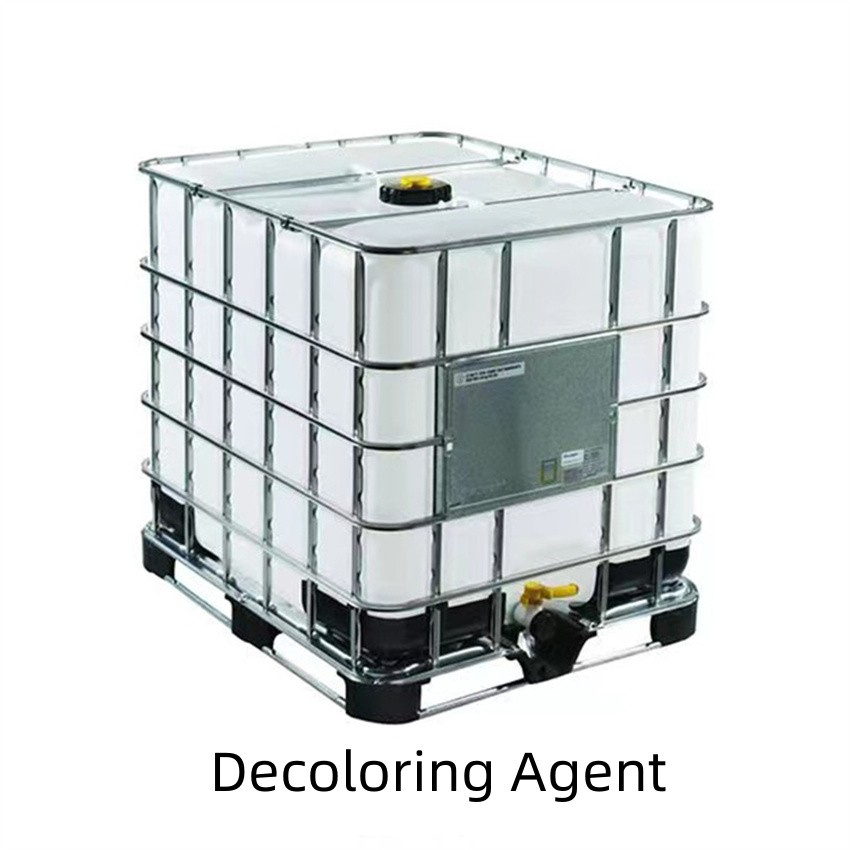
What is the recommended export packing: 120 kg drum only, IBC, flexitank, or custom packing?
Checks before quote
CAS, formula, and EINECS are not disclosed in the source listing; this is the main import-compliance gap and should be resolved before purchase
Request SDS in the destination-market language or English, TDS, COA, composition disclosure where legally available, and transport classification statement
Confirm whether the product is classified as dangerous goods for sea, air, or road transport; do not rely only on marketplace shipping descriptions
Check REACH, UK REACH, TSCA, DSL/NDSL, AICS/AIIC, K-REACH, KKDIK, or other inventory status as applicable to the buyer’s destination market
Verify any restricted substances, APEO/NPEO, formaldehyde, organotin, PFAS, SVHC, heavy metals, and textile brand RSL/MRSL relevance if supplying export garment mills
Confirm ZDHC MRSL conformance, OEKO-TEX/ECO PASSPORT, bluesign, or similar textile-chemical documentation if required by downstream customers
HS code 3910000000 may indicate silicone-related material, but the source does not provide a clear chemical identity; classification should be reviewed by importer or customs broker
No regulatory guarantee should be assumed from supplier membership, audit status, or marketplace listing
Next step
Send the product page with your target quantity and market. A sourcing manager can then confirm sample options, supplier fit, packaging details, and open document gaps.