Methylisothiazolinone (MIT) CAS 2682-20-4 — 10%, 20% and 50% Preservative Grades for Export RFQ
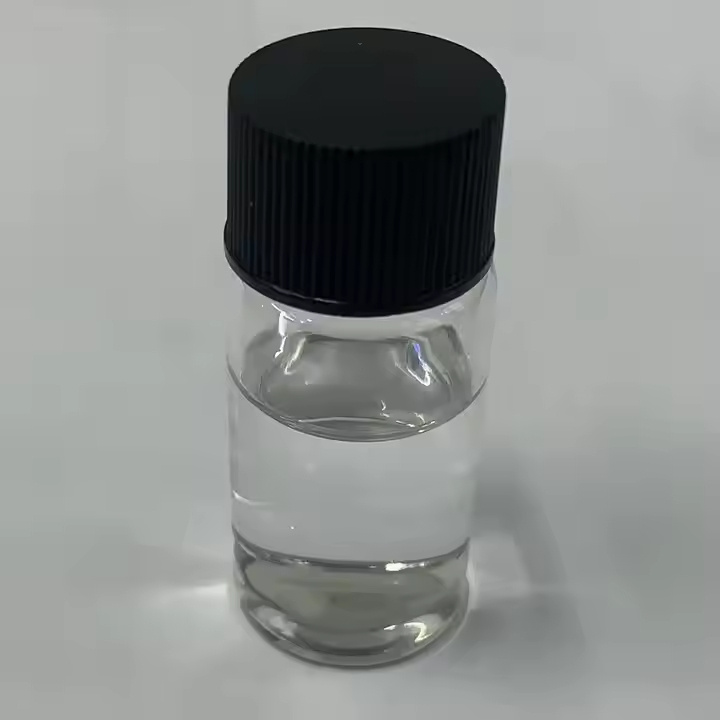
Buyer-facing sourcing candidate for Methylisothiazolinone (MIT), CAS 2682-20-4, offered as liquid preservative grades with stated active contents of 10%, 20% and 50%. Suitable for overseas buyers seeking CAS verification, concentration confirmation, impurity checks, export documentation, packing confirmation, and destination-market compliance review before RFQ or sample request.
Quick buying facts
Identify the grade, package, and import market before comparing suppliers.
Use this page to check the product identity, common specification points, document scope, package notes, and destination-market questions before sending a China sourcing request.
CAS No.: 2682-20-4Cosmetic and industrial preservative active / biocide intermediate-grade chemicalHuman review
Personal care contract manufacturers requiring verified MIT concentration grades
Industrial preservative buyers for coatings, pulp, detergents, and water-based formulations
Chemical importers needing CAS-level verification and export document readiness
Private-label ingredient sourcing teams requiring customer-specific labeling and packing checks
Before matching
Documents to check
CAS number, grade, assay, and impurity profile
SDS, COA, TDS, HS code, and transport classification
Destination-market import documents before supplier matching
Package and route
Packing notes
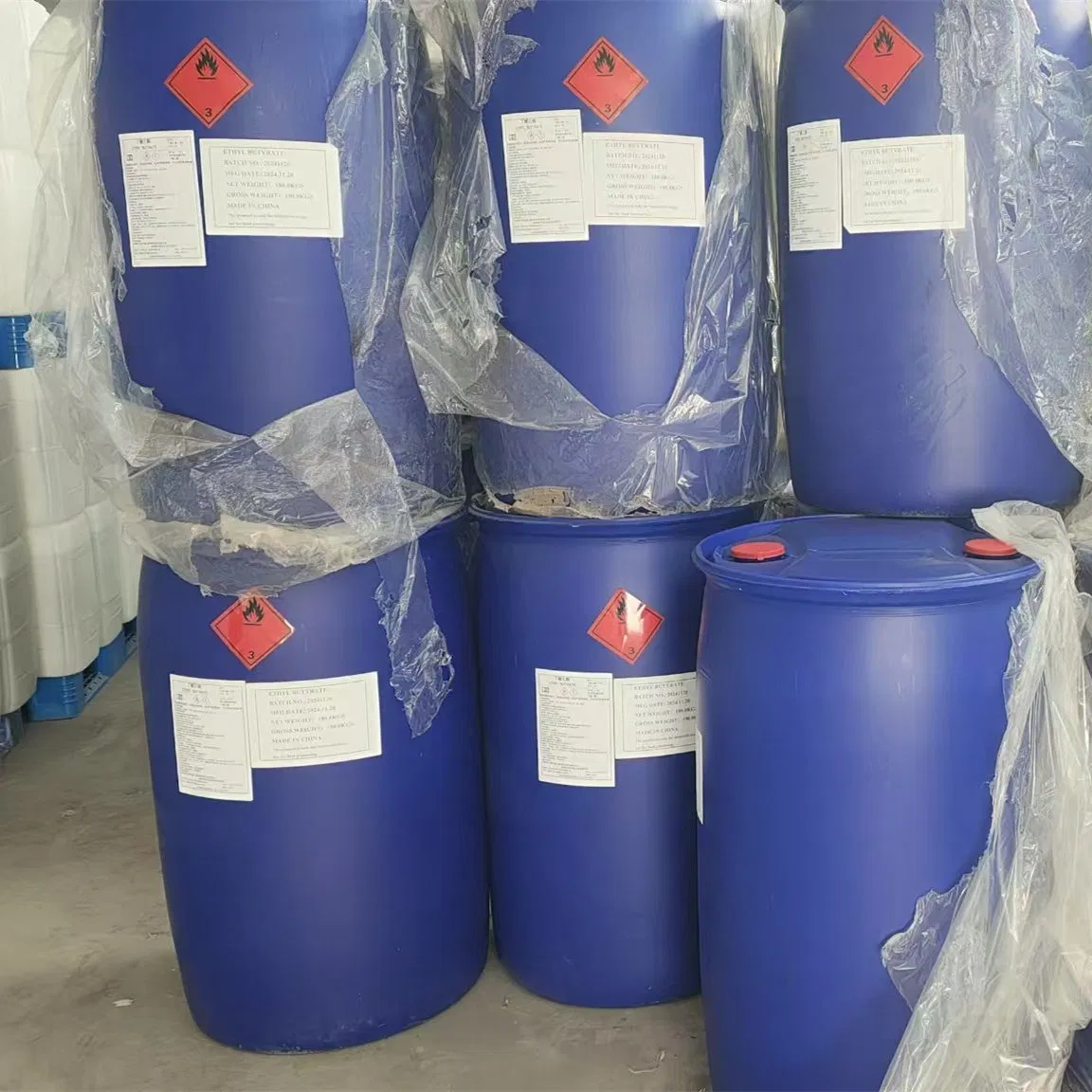
Extracted listing states transport package: bags, while product specifications describe liquid grades; buyer should confirm actual export packing, such as drum, IBC, bottle, or other UN-rated packaging if applicable
Stated basic package information includes 25 kg/bag, which appears inconsistent for liquid MIT grades; require packing photos and packing list before PO
Confirm net weight, gross weight, palletization, inner liner or closure type, and container loading quantity
Ask whether customer-specific labeling, batch labels, and shipping marks are available; listing indicates customized labeling and packaging may be supported
For sample orders, confirm sample size, sample concentration, packaging compatibility, courier acceptance, and whether DG paperwork is needed
Applications and sourcing options
Check whether this product fits the buyer's actual application.
Clear application, grade, package, and document notes help separate real sourcing demand from a vague price check.
Use context
Common applications
Preservative raw material qualification for personal care or rinse-off product supply chains, subject to destination regulation
Industrial preservative sourcing for water-based systems where MIT is permitted and technically suitable
Distributor stock planning for multiple active concentrations including 10%, 20% and 50% grades
Sample evaluation and batch pre-qualification requiring COA, SDS, and impurity review
Replacement supplier screening where buyers need CAS, grade, packing, and DG checks before RFQ
How we compare
Sourcing options
Request MIT-10, MIT-20, or MIT-50 quotation with confirmed active content and full documentation
Request clarification on any claimed MIT-70 grade before including it in the RFQ
Ask for sample shipment only after SDS, DG status, and courier acceptance are reviewed
Request export-ready drum or IBC packing instead of ambiguous bag packaging for liquid grades
Request third-party inspection or pre-shipment COA verification for first bulk order
Ask supplier to quote FOB, CIF, or DAP separately with DG surcharge clearly stated if applicable
Human review
Compliance notes
Request current COA matching the exact batch, concentration grade, and CAS number
Request SDS in the buyer’s required language and latest GHS format before shipment
Request TDS/specification sheet, allergen/sensitizer declaration where relevant, heavy metal test report, and impurity profile if used for cosmetics or personal care supply chains
MIT is a sensitizing preservative with significant regulatory restrictions in many markets; buyer must confirm permitted use, maximum concentration, and product category in the destination jurisdiction
Do not rely on supplier page statements as regulatory clearance; verify with local cosmetic, biocide, chemical inventory, and import requirements
Confirm whether the product is registered or notified for the destination market where required, including chemical inventory status if applicable
Confirm Dangerous Goods classification, UN number if assigned, packing group, transport hazard labels, and marine pollutant status with the supplier’s SDS and freight forwarder
Confirm export documents available: commercial invoice, packing list, COA, SDS, certificate of origin, and any required DG declaration
Buyer search paths
Related sourcing terms
These terms support long-tail discovery while keeping the page focused on useful product and China export buying context.
Share target market, quantity, packaging scope, artwork status, delivery destination, and required documents so CHN Chemicals can prepare a cleaner supplier comparison.
Questions to confirm
Can you provide a recent COA for MIT-10, MIT-20 and MIT-50 with active content, pH, density, heavy metals, and test methods?
Is CAS 2682-20-4 printed on the COA, SDS, label, and commercial invoice?
The listing title mentions 70% MIT, but the table lists 10%, 20% and 50%. Is 70% available, and can you provide its full specification?
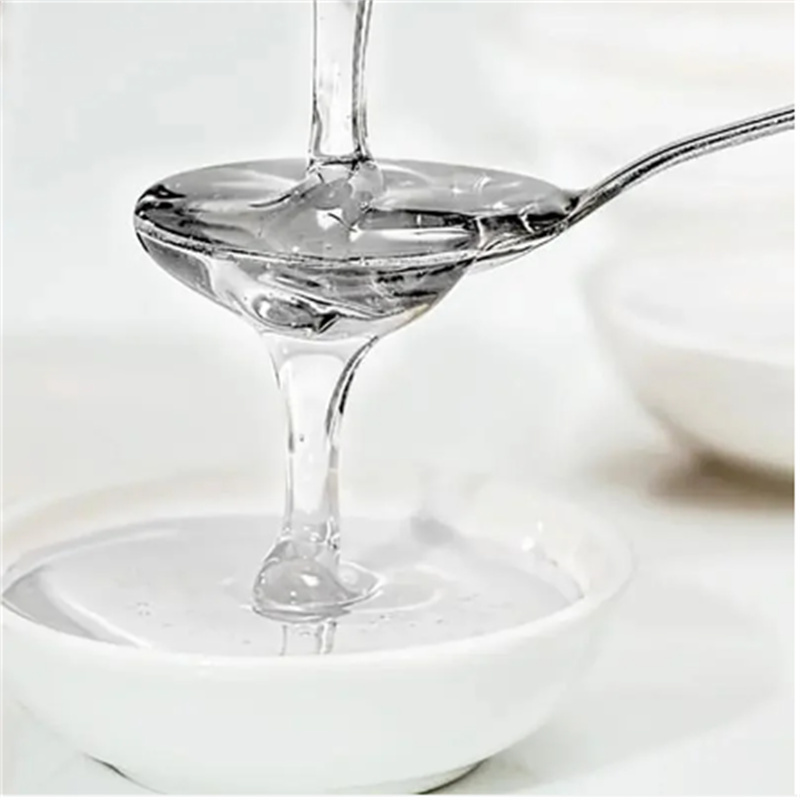
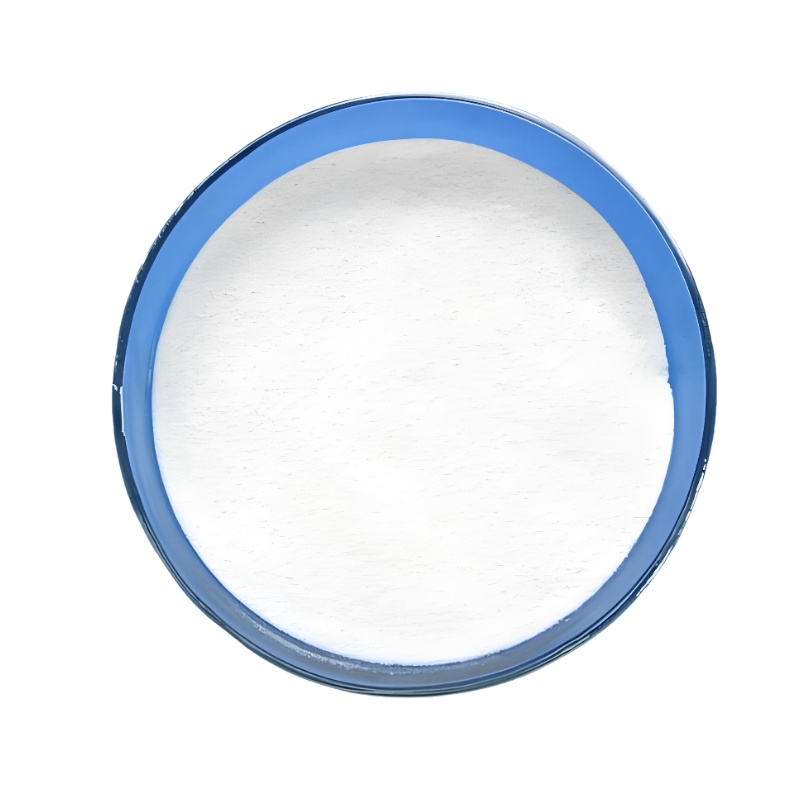
What is the actual physical form and packing for export? The listing says liquid appearance but also mentions 25 kg/bag.
What solvents, stabilizers, or carriers are present in each concentration grade?
Can you disclose key impurities and provide limits for heavy metals, CMIT, formaldehyde donors, residual solvents, or other relevant preservatives if applicable?
Is the product cosmetic grade, industrial grade, or multi-purpose preservative grade? What quality standard is used?
Can you provide SDS, TDS, COA, certificate of origin, packing list template, and DG transport declaration before order confirmation?
Checks before quote
Request current COA matching the exact batch, concentration grade, and CAS number
Request SDS in the buyer’s required language and latest GHS format before shipment
Request TDS/specification sheet, allergen/sensitizer declaration where relevant, heavy metal test report, and impurity profile if used for cosmetics or personal care supply chains
MIT is a sensitizing preservative with significant regulatory restrictions in many markets; buyer must confirm permitted use, maximum concentration, and product category in the destination jurisdiction
Do not rely on supplier page statements as regulatory clearance; verify with local cosmetic, biocide, chemical inventory, and import requirements
Confirm whether the product is registered or notified for the destination market where required, including chemical inventory status if applicable
Confirm Dangerous Goods classification, UN number if assigned, packing group, transport hazard labels, and marine pollutant status with the supplier’s SDS and freight forwarder
Confirm export documents available: commercial invoice, packing list, COA, SDS, certificate of origin, and any required DG declaration
Next step
Send the product page with your target quantity and market. A sourcing manager can then confirm sample options, supplier fit, packaging details, and open document gaps.