Polyacrylamide (PAM) CAS 9003-05-8 Industrial Flocculant
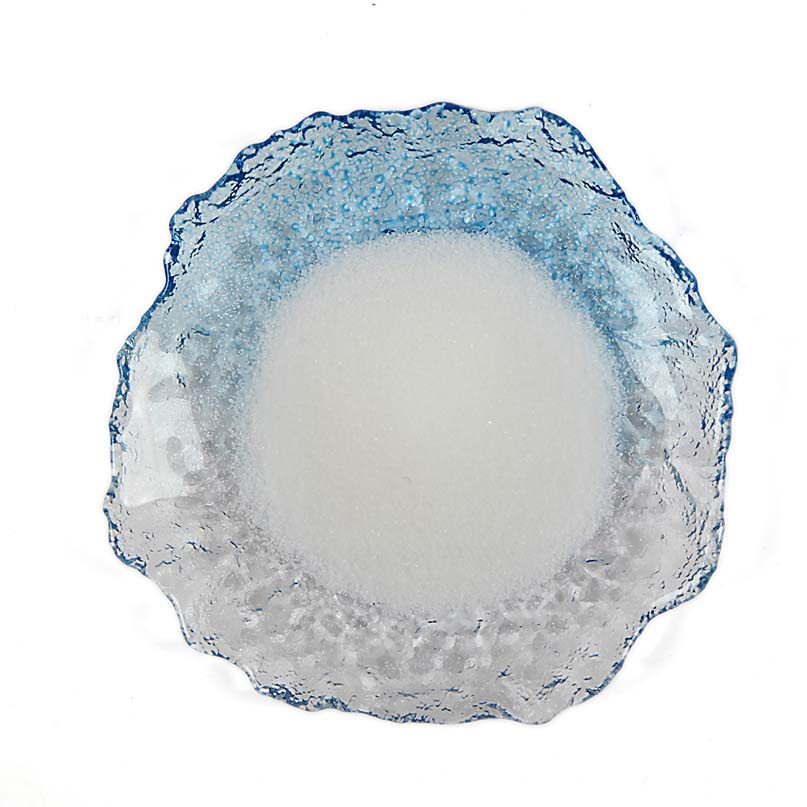
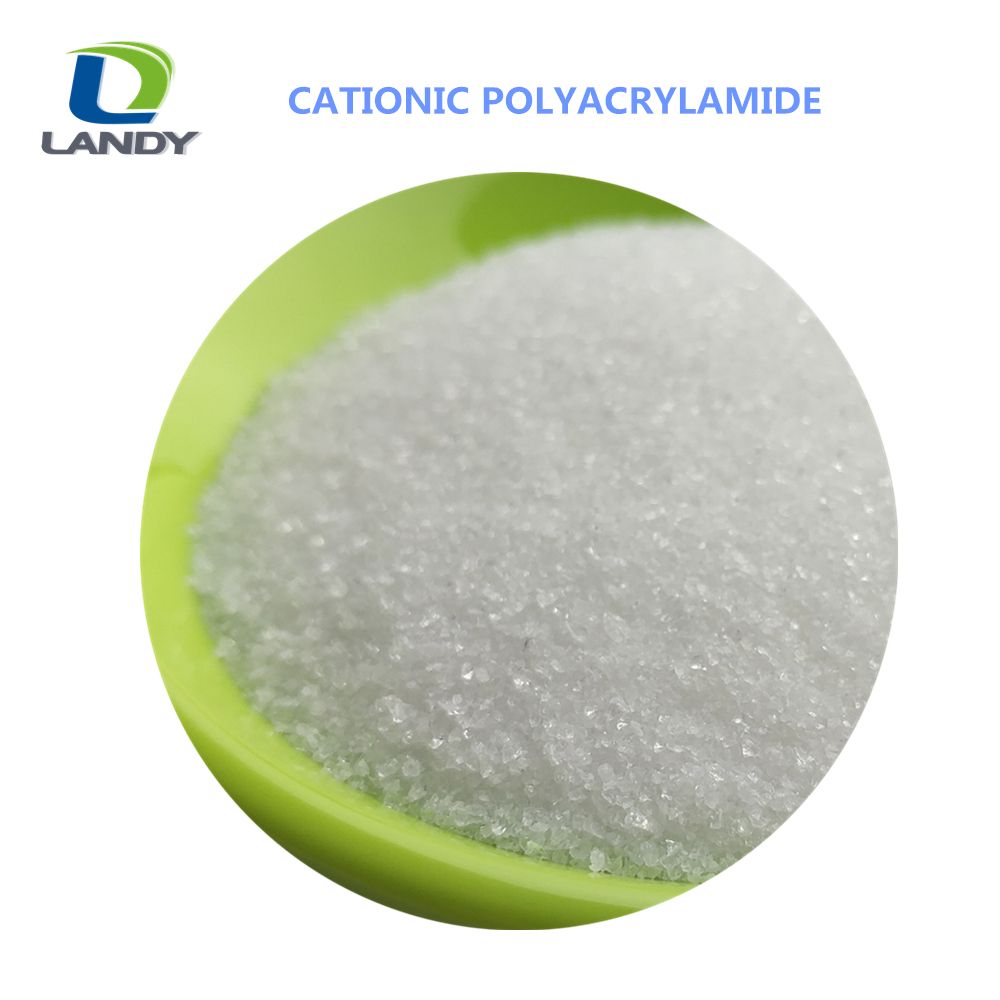
Buyer-facing sourcing profile for high molecular weight polyacrylamide (PAM), CAS 9003-05-8, supplied as white to faint yellow granules for industrial flocculant applications. RFQs should confirm ionic type, molecular weight range, degree of hydrolysis, active content, residual acrylamide limits, insoluble matter, moisture, viscosity, particle size, packing format, and export document availability before purchase.
Quick buying facts
Identify the grade, package, and import market before comparing suppliers.
Use this page to check the product identity, common specification points, document scope, package notes, and destination-market questions before sending a China sourcing request.
CAS No.: 9003-05-8Water treatment chemical / industrial polymer flocculantRFQ-ready with specification verification required
Sludge dewatering projects where charge density and molecular weight must be specified
Mining tailings and mineral processing clarification where polymer performance testing is required
Paper and pulp process water treatment where ionic type and impurity profile must be confirmed
Textile and dyeing wastewater treatment procurement where COA and SDS review are required
How we compare
Sourcing options
Request anionic PAM, cationic PAM, nonionic PAM, or amphoteric PAM quotations separately rather than accepting a generic PAM offer.
Compare multiple charge densities and molecular weight grades through jar testing or buyer-approved performance evaluation.
Source standard 25 kg export packing for commercial lots and small sample packs for qualification.
Request batch-specific COA and retained sample before final container release.
Use third-party inspection for packaging, labeling, and document checks when importing for regulated water-treatment uses.
Human review
Compliance notes
Request COA, SDS, TDS/specification sheet, commercial invoice, packing list, certificate of origin, and any available REACH/SVHC or Prop 65 test reports where relevant to destination market review.
Confirm HS code, customs description, and whether the supplier classifies the product as dangerous goods or non-DG for the intended route.
Residual acrylamide monomer should be reviewed carefully because it may affect regulatory and end-use acceptance, especially for water-related applications.
Do not rely on marketplace claims alone; verify CAS, polymer type, grade, impurities, and application suitability through batch documents and pre-shipment testing if needed.
Importers should validate local registration, water-treatment approval requirements, and end-use restrictions with their own compliance team or local agent.
No regulatory guarantee is provided; buyer must confirm destination-country requirements before shipment.
Buyer search paths
Related sourcing terms
These terms support long-tail discovery while keeping the page focused on useful product and China export buying context.
polyacrylamide CAS 9003-05-8PAM flocculant Chinahigh molecular weight polyacrylamideindustrial flocculantwater treatment polymeranionic polyacrylamidecationic polyacrylamidenonionic polyacrylamidesludge dewatering flocculantwastewater treatment chemical
Related product options
Build a broader quote package from adjacent options.
Buyers often compare neighboring grades, forms, or route options before sending one consolidated RFQ.
Share target market, quantity, packaging scope, artwork status, delivery destination, and required documents so CHN Chemicals can prepare a cleaner supplier comparison.
Questions to confirm
Is the offered PAM anionic, cationic, nonionic, or amphoteric? What is the charge density or degree of hydrolysis?
What is the confirmed molecular weight range and viscosity specification for this grade?
What are the batch limits for residual acrylamide monomer, moisture, insoluble matter, and active content?
Can you provide a recent COA, SDS, TDS, and third-party test report for CAS 9003-05-8?
Which test methods are used for viscosity, molecular weight, residual monomer, and insoluble matter?
What is the recommended grade selection for the buyer’s wastewater, mining, paper, textile, or sludge dewatering application?
What packaging is available for export: 25 kg bag, drum, jumbo bag, or customized packing?
Is the product shipped as DG or non-DG under your current SDS and freight classification?
Checks before quote
Request COA, SDS, TDS/specification sheet, commercial invoice, packing list, certificate of origin, and any available REACH/SVHC or Prop 65 test reports where relevant to destination market review.
Confirm HS code, customs description, and whether the supplier classifies the product as dangerous goods or non-DG for the intended route.
Residual acrylamide monomer should be reviewed carefully because it may affect regulatory and end-use acceptance, especially for water-related applications.
Do not rely on marketplace claims alone; verify CAS, polymer type, grade, impurities, and application suitability through batch documents and pre-shipment testing if needed.
Importers should validate local registration, water-treatment approval requirements, and end-use restrictions with their own compliance team or local agent.
No regulatory guarantee is provided; buyer must confirm destination-country requirements before shipment.
Next step
Send the product page with your target quantity and market. A sourcing manager can then confirm sample options, supplier fit, packaging details, and open document gaps.