Polyacrylamide PAM Powder for Paper Mill White Water, Retention and Drainage Applications
Water-soluble polyacrylamide powder candidate for paper mill wet-end retention, drainage, white water recovery and sludge-related process checks. Buyer review should prioritize CAS verification, ionic type selection, molecular weight and charge density confirmation, residual acrylamide limits, solid content, solubility, particle size, export documents and packing suitability before RFQ placement.
Quick buying facts
Identify the grade, package, and import market before comparing suppliers.
Use this page to check the product identity, common specification points, document scope, package notes, and destination-market questions before sending a China sourcing request.
CAS number requires confirmation: source lists 9005-05-8, while polyacrylamide is commonly referenced under CAS 9003-05-8; buyer should request COA/SDS alignment before purchasePolyacrylamide PAM water-soluble polymer powder for papermaking additive and water treatment applicationsCandidate with CAS and impurity verification required
CAS number requires confirmation: source lists 9005-05-8, while polyacrylamide is commonly referenced under CAS 9003-05-8; buyer should request COA/SDS alignment before purchase
Chemical formula stated as (C3H5NO)n
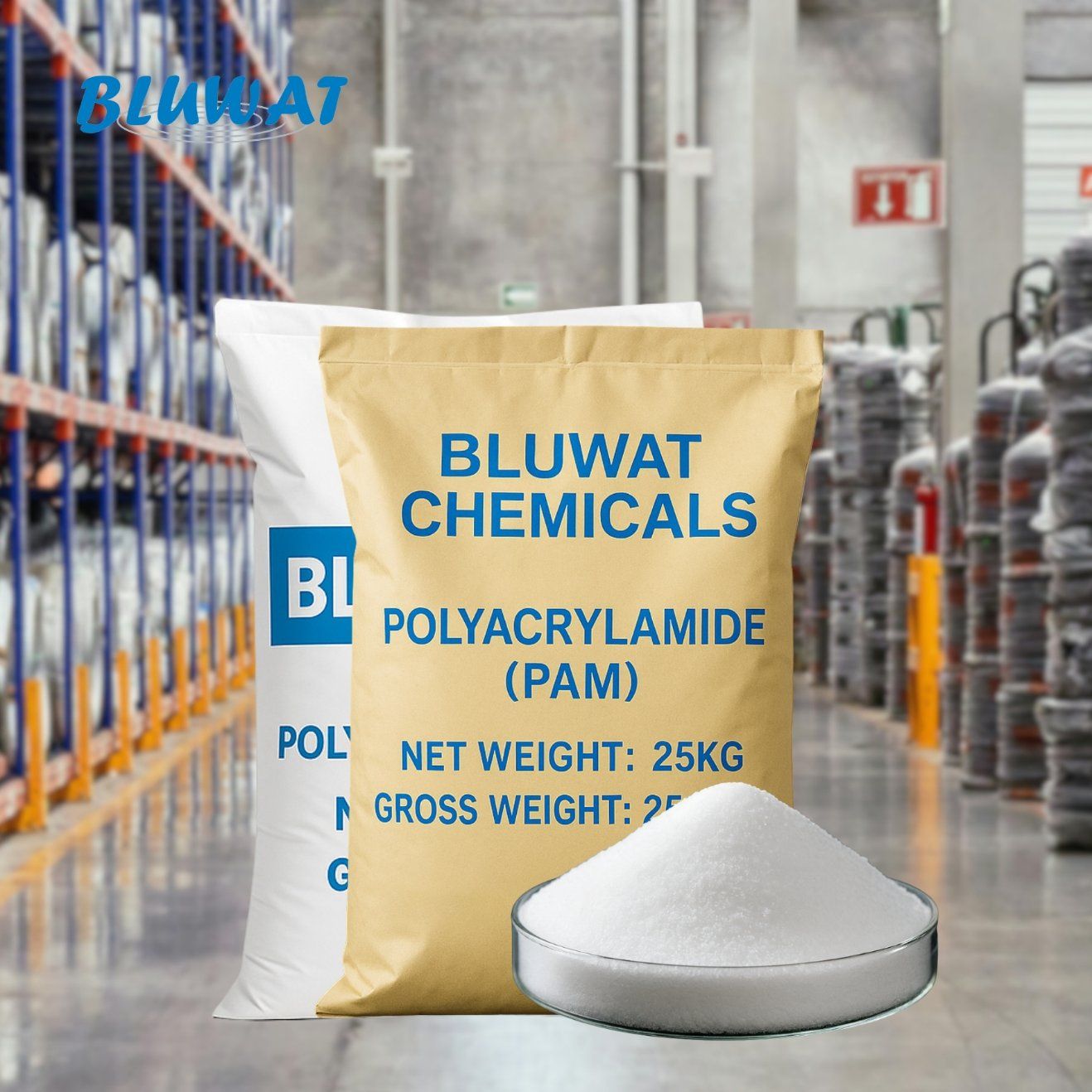
Physical form: off-white to white granular powder
Ionic types offered: anionic, cationic and nonionic PAM
Molecular weight range stated: anionic 5-25 million; cationic 5-12 million; nonionic 5-12 million
Solid content stated: minimum 89%
Particle size stated: 20-100 mesh
Recommended working concentration stated by source: 0.1-0.5%; buyer should validate through mill-side jar tests and machine trials
Shelf life stated: 2 years under supplier-specified storage conditions
Key impurity check: residual acrylamide monomer level should be declared on COA or technical data sheet
Who uses this page
Target buyers
Paper mills evaluating retention and drainage aids
Paper chemical distributors
Wet-end chemical service companies
White water recovery system operators
Industrial water treatment chemical importers
Pulp and paper procurement teams
Regional chemical stockists serving paper plants
Before matching
Documents to check
CAS number, grade, assay, and impurity profile
SDS, COA, TDS, HS code, and transport classification
Destination-market import documents before supplier matching
Package and route
Packing notes
Source packing options include 25 kg kraft paper bag and 25 kg PE bag
Request pallet configuration, liner details, moisture protection and container loading quantity for export shipments
Confirm bag labeling language, batch number visibility, production date and shelf-life marking
Ask whether neutral export packing, branded packing or buyer-specified labels are available
For humid routes, request details on anti-caking controls, sealed inner bags and desiccant policy if applicable
Applications and sourcing options
Check whether this product fits the buyer's actual application.
Clear application, grade, package, and document notes help separate real sourcing demand from a vague price check.
Use context
Common applications
Paper machine wet-end retention program screening
Drainage improvement trials for high-speed paper production
White water suspended solids flocculation and fiber/filler recovery evaluation
Papermaking sludge dewatering aid selection
Replacement or alternate-source qualification for existing PAM grades
Distributor portfolio expansion for paper mill additives
How we compare
Sourcing options
Request anionic PAM, cationic PAM and nonionic PAM samples for comparative jar testing
Ask for grade matching against the buyer's current PAM specification or COA
Source by molecular weight, ionic degree, residual monomer limit and particle size rather than product name alone
Start with lab sample, then pilot lot, then container-level order after performance and document review
Request export-ready documentation package before confirming purchase order
Consider long-term supply agreement if batch consistency and lead time meet mill requirements
Human review
Compliance notes
Verify correct CAS number, product name and polymer identity across quotation, COA, SDS, TDS, invoice and customs documents
Request current SDS in the buyer-required language and format before shipment
Confirm residual acrylamide monomer specification and test method, as acrylamide-related impurity limits may affect buyer acceptance and local compliance review
Confirm HS code; source lists HS 39069010, but importer should validate final classification with customs broker
Check DG status with the latest SDS and carrier review; PAM powder is often shipped as non-dangerous cargo, but dust, moisture sensitivity and local classification still require document confirmation
For papermaking applications, request confirmation of suitability for the intended paper grade, furnish system and wet-end chemistry without relying on general performance claims
If used in regulated paper grades or water-related systems, buyer should request applicable declarations such as food-contact, heavy metals, SVHC/REACH, RoHS, ZDHC or regional statements where relevant
No regulatory approval, import clearance or end-use acceptance should be assumed from marketplace listing data
Buyer search paths
Related sourcing terms
These terms support long-tail discovery while keeping the page focused on useful product and China export buying context.
polyacrylamide PAM paper mill additivePAM retention aid supplierpapermaking drainage aid polymerwhite water flocculant PAManionic polyacrylamide powdercationic polyacrylamide powdernonionic polyacrylamidepaper mill wet end chemicalPAM residual acrylamide specificationpolyacrylamide CAS verification
Related product options
Build a broader quote package from adjacent options.
Buyers often compare neighboring grades, forms, or route options before sending one consolidated RFQ.
Share target market, quantity, packaging scope, artwork status, delivery destination, and required documents so CHN Chemicals can prepare a cleaner supplier comparison.
Questions to confirm
What is the exact CAS number used on the supplier COA and SDS for this PAM grade?
Which ionic type is recommended for our paper mill system: anionic, cationic or nonionic?
What are the target molecular weight, charge density or ionic degree and viscosity range for the proposed grade?
What is the guaranteed residual acrylamide monomer limit and the test method used?
Can you provide a recent batch COA showing solid content, particle size, dissolution/solubility, viscosity and residual monomer?
Is the product intended as a retention aid, drainage aid, white water flocculant, sludge dewatering aid or dry strength support grade?
What mill data do you need for grade selection, such as pH, conductivity, furnish, filler type, white water solids and existing wet-end additives?
Can you provide sample quantities for lab screening and confirm the sample grade matches commercial production?
Checks before quote
Verify correct CAS number, product name and polymer identity across quotation, COA, SDS, TDS, invoice and customs documents
Request current SDS in the buyer-required language and format before shipment
Confirm residual acrylamide monomer specification and test method, as acrylamide-related impurity limits may affect buyer acceptance and local compliance review
Confirm HS code; source lists HS 39069010, but importer should validate final classification with customs broker
Check DG status with the latest SDS and carrier review; PAM powder is often shipped as non-dangerous cargo, but dust, moisture sensitivity and local classification still require document confirmation
For papermaking applications, request confirmation of suitability for the intended paper grade, furnish system and wet-end chemistry without relying on general performance claims
If used in regulated paper grades or water-related systems, buyer should request applicable declarations such as food-contact, heavy metals, SVHC/REACH, RoHS, ZDHC or regional statements where relevant
No regulatory approval, import clearance or end-use acceptance should be assumed from marketplace listing data
Next step
Send the product page with your target quantity and market. A sourcing manager can then confirm sample options, supplier fit, packaging details, and open document gaps.