Polyacrylamide PAM Powder/Granule for Textile, Paper and Water Treatment Sourcing
Buyer-facing candidate for sourcing polyacrylamide (PAM) powder or granules from China for textile auxiliary, paper making, mineral processing and water treatment applications. RFQs should verify the correct CAS reference, ionic type, molecular weight range, hydrolysis degree or charge density, residual monomer limits, insolubles and moisture before commercial purchase.
Quick buying facts
Identify the grade, package, and import market before comparing suppliers.
Use this page to check the product identity, common specification points, document scope, package notes, and destination-market questions before sending a China sourcing request.
CAS check: commonly listed as CAS 9003-05-8; source page shows 9003-5-8, which should be corrected and confirmed on COA/SDSPolyacrylamide polymer auxiliary / flocculant / processing aidCandidate - requires CAS/specification and document verification
Application grades to clarify: textile printing and dyeing auxiliary, paper retention/drainage aid, wastewater flocculant, mining/mineral processing, coal washing or other industrial grade
Who uses this page
Target buyers
Textile dyeing and finishing chemical distributors
Paper mill chemical procurement teams
Industrial wastewater treatment chemical suppliers
Mining and mineral processing reagent buyers
Coal washing chemical distributors
General industrial chemical importers seeking PAM grades
Formulators of flocculant and process-aid blends
Before matching
Documents to check
CAS number, grade, assay, and impurity profile
SDS, COA, TDS, HS code, and transport classification
Destination-market import documents before supplier matching
Package and route
Packing notes
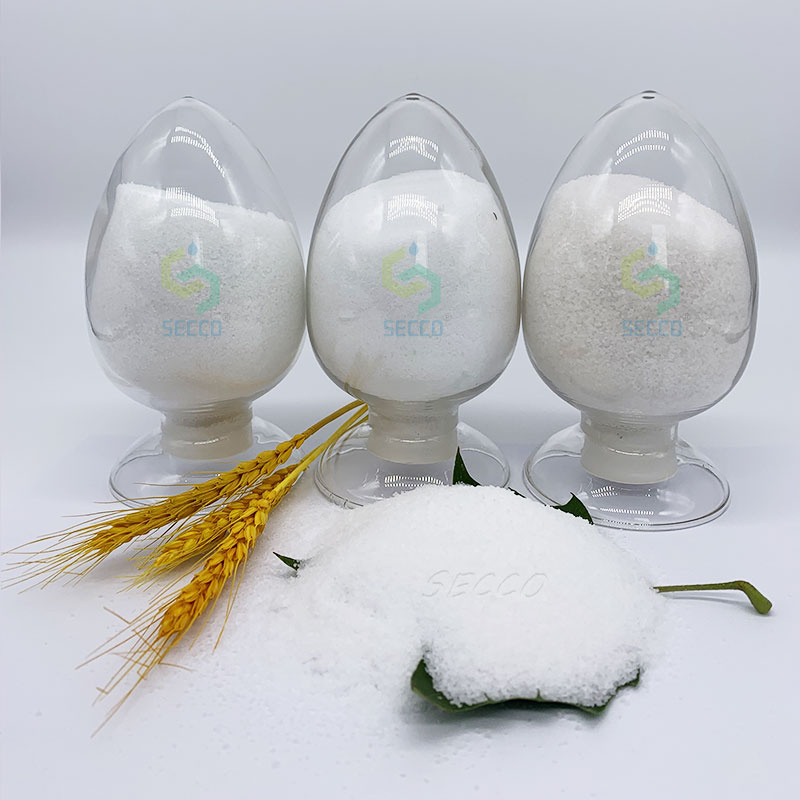
Listed packing: 25 kg/bag
Confirm inner liner, moisture barrier, palletization and export seaworthy packing
Request bag label details including product name, ionic type, batch number, net weight, production date and shelf-life guidance
For container orders, request loading quantity per 20'GP/40'GP and palletized vs non-palletized options
Applications and sourcing options
Check whether this product fits the buyer's actual application.
Clear application, grade, package, and document notes help separate real sourcing demand from a vague price check.
Use context
Common applications
Textile printing and dyeing wastewater flocculation or auxiliary processing, subject to grade validation
Paper making retention, drainage or strengthening aid, subject to application testing
Industrial wastewater clarification and sludge dewatering, subject to ionic-type selection
Mineral processing and coal washing flocculation, subject to molecular weight and charge matching
General industrial water treatment where PAM powder/granule grades are already approved by the buyer
How we compare
Sourcing options
APAM anionic polyacrylamide for paper, mining, coal washing and many wastewater applications
CPAM cationic polyacrylamide for sludge dewatering and selected wastewater applications
NPAM nonionic polyacrylamide for applications requiring low ionic charge
Powder or granular form in 25 kg export bags
Trial sample followed by pilot lot and then container shipment after COA/spec approval
Human review
Compliance notes
Request current SDS, COA, TDS/specification sheet and product label before ordering
Verify CAS number discrepancy: buyer documents should use the correct CAS reference for the supplied polymer grade
Confirm residual acrylamide monomer limit and testing method, as this is a key impurity and compliance point for PAM sourcing
Confirm whether REACH-related documents, ISO certificates and any third-party audit documents are available; do not treat listing claims as regulatory clearance
Check destination-country requirements for polymer import, chemical inventory status and any sector-specific limits for textile, paper or water treatment use
Confirm DG status with the supplier’s SDS and freight forwarder; many PAM powders are shipped as non-dangerous goods, but export classification must be document-based
Request heavy metals, insolubles, moisture and free monomer data if the material will be used in sensitive downstream processes
Do not rely on marketplace wording such as 'environmental protection' or 'universal product' as a technical specification
Buyer search paths
Related sourcing terms
These terms support long-tail discovery while keeping the page focused on useful product and China export buying context.
Share target market, quantity, packaging scope, artwork status, delivery destination, and required documents so CHN Chemicals can prepare a cleaner supplier comparison.
Questions to confirm
Please confirm the exact CAS number on your SDS and COA: is it CAS 9003-05-8 for polyacrylamide?
Which ionic type is being quoted: anionic, cationic or nonionic? If APAM, please provide hydrolysis degree and charge data.
What is the molecular weight range and viscosity specification for the quoted grade?
What is the residual acrylamide monomer limit, and which test method is used?
Please provide moisture, insoluble matter, particle size distribution and dissolution time specifications.
Is this grade recommended for textile printing/dyeing, paper making or wastewater treatment? Please identify the closest application grade rather than a generic PAM grade.
Can you provide recent COA from a production batch, SDS, TDS and sample label photos?
Is the quoted price based on 25 kg bags, palletized export packing and FOB/CIF terms?
Checks before quote
Request current SDS, COA, TDS/specification sheet and product label before ordering
Verify CAS number discrepancy: buyer documents should use the correct CAS reference for the supplied polymer grade
Confirm residual acrylamide monomer limit and testing method, as this is a key impurity and compliance point for PAM sourcing
Confirm whether REACH-related documents, ISO certificates and any third-party audit documents are available; do not treat listing claims as regulatory clearance
Check destination-country requirements for polymer import, chemical inventory status and any sector-specific limits for textile, paper or water treatment use
Confirm DG status with the supplier’s SDS and freight forwarder; many PAM powders are shipped as non-dangerous goods, but export classification must be document-based
Request heavy metals, insolubles, moisture and free monomer data if the material will be used in sensitive downstream processes
Do not rely on marketplace wording such as 'environmental protection' or 'universal product' as a technical specification
Next step
Send the product page with your target quantity and market. A sourcing manager can then confirm sample options, supplier fit, packaging details, and open document gaps.