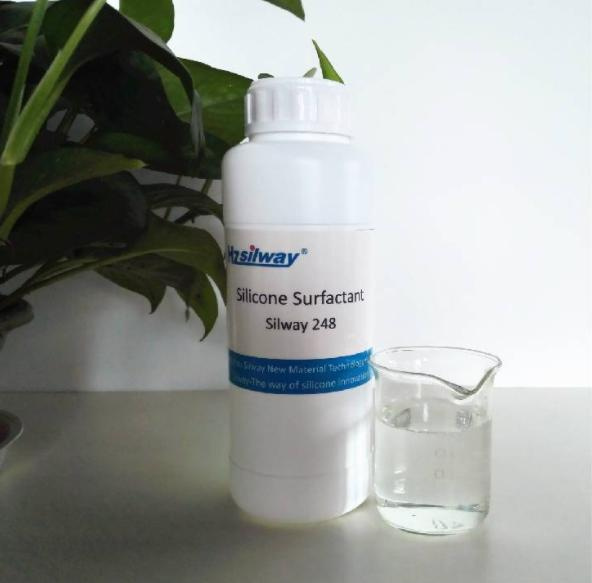
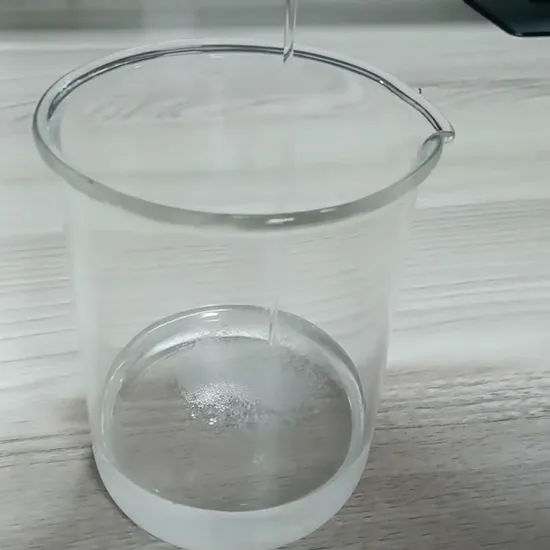
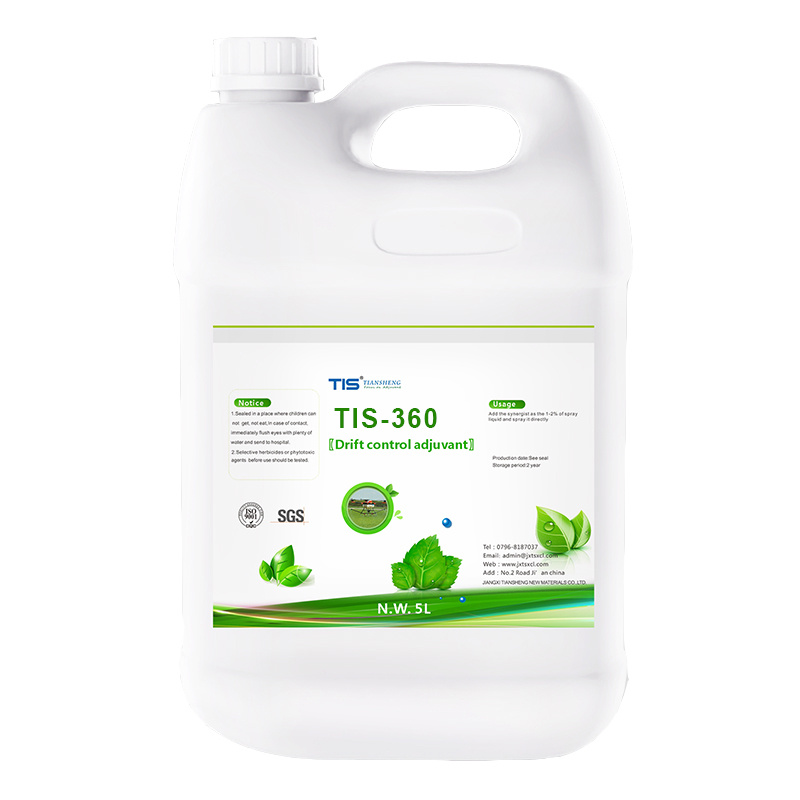
Polyether Modified Trisiloxane Agrochemical Wetting Agent, CAS 67674-67-3
Buyer-facing sourcing candidate for a silicone-based agricultural tank-mix adjuvant identified as polyether modified trisiloxane / silicone surfactant, with supplied CAS No. 67674-67-3 and typical 0.1% aqueous surface tension around 20.5 mN/m. Suitable for overseas buyers seeking supplier verification, specification matching, COA/SDS review, packing confirmation, and export documentation checks before RFQ or sample approval.
Quick buying facts
Identify the grade, package, and import market before comparing suppliers.
Use this page to check the product identity, common specification points, document scope, package notes, and destination-market questions before sending a China sourcing request.
CAS No.: 67674-67-3 as listed; buyer should confirm CAS identity against supplier COA, SDS, TDS, and import-country chemical inventory requirementsAgrochemical auxiliary / silicone wetting and spreading agent / tank-mix adjuvantCandidate for RFQ after CAS, SDS, COA, and export document verification
Agricultural input distributors importing adjuvant raw materials
Crop protection brand owners evaluating private-label or formulation additives
Chemical traders supplying agrochemical auxiliary materials
R&D and application labs screening polyether trisiloxane surfactants
Before matching
Documents to check
CAS number, grade, assay, and impurity profile
SDS, COA, TDS, HS code, and transport classification
Destination-market import documents before supplier matching
Package and route
Packing notes
Listed packing options include 1 L, 5 L, 25 kg, 200 kg, or IBC tank; confirm exact drum/IBC material, net weight, palletization, and seal type
Bulk IBC listing shows approximate package gross weight of 1057 kg; confirm net content per IBC and container loading quantity
Request export-ready labels matching product identity, batch number, net weight, origin, and SDS transport information
Confirm shelf-life statement, manufacturing date, retest date, and storage statement as they appear on COA/TDS; source lists 36 months
Confirm sample availability, sample size, courier documentation, and whether sample COA/SDS can be issued before shipment
Applications and sourcing options
Check whether this product fits the buyer's actual application.
Clear application, grade, package, and document notes help separate real sourcing demand from a vague price check.
Use context
Common applications
Specification comparison for silicone spray adjuvant sourcing
Supplier pre-qualification before agrochemical adjuvant RFQ
Sample screening for wetting, spreading, and penetration performance in approved formulations
Commercial procurement of polyether modified trisiloxane surfactant in drums or IBCs
Document review for import, transport, and agrochemical auxiliary compliance
How we compare
Sourcing options
Request sample with COA/SDS/TDS before bulk order
Start with 25 kg drum for pilot formulation evaluation if supplier supports small commercial quantity
Use 200 kg drum or IBC tank for regular production procurement after specification approval
Ask for FOB China port quotation and separate freight estimate for CIF/CFR comparison
Consider third-party pre-shipment inspection for identity, appearance, packing, labeling, and COA consistency
Human review
Compliance notes
Request current SDS in GHS format and verify classification, pictograms, UN number status if any, marine pollutant status, and transport name before booking freight
Do not rely on marketplace category alone; confirm whether the item is regulated as dangerous goods for sea, air, road, or courier shipment
Confirm export documentation availability: COA, SDS, TDS, commercial invoice, packing list, certificate of origin if needed, and batch traceability statement
Check whether CAS 67674-67-3 and the supplier’s polymer description are accepted under the buyer’s local chemical inventory and agrochemical-adjuvant rules
For agricultural use, buyer should verify local registration, formulation-adjuvant approval, tank-mix label compatibility, and permitted end-use requirements in the destination market
Confirm impurity and residual profile relevant to silicone surfactants, including residual solvents, cyclic siloxanes if applicable, water content, acid value/pH, heavy metals if required, and VOC content where relevant
Supplier claims such as non-toxic or environment friendly should be treated as marketing claims unless supported by SDS, toxicology summary, and jurisdiction-specific compliance documentation
No regulatory approval, pesticide efficacy, crop safety, or import clearance should be assumed from the source listing
Buyer search paths
Related sourcing terms
These terms support long-tail discovery while keeping the page focused on useful product and China export buying context.
Share target market, quantity, packaging scope, artwork status, delivery destination, and required documents so CHN Chemicals can prepare a cleaner supplier comparison.
Questions to confirm
Can you provide recent COA, SDS, and TDS for the exact product grade named Silway 248 or equivalent?
Please confirm the exact CAS No., chemical identity, polymer description, active content, and whether CAS 67674-67-3 is used for the full commercial product or only a component.
What are the guaranteed specification limits for surface tension at 0.1%, viscosity, specific gravity, refractive index, cloud point, appearance, water content, and pH/acid value?
Can you provide impurity data, including residual monomers, residual solvents, cyclic siloxanes if applicable, heavy metals, and VOC information?
Is the product shipped as non-DG or DG under IMDG, IATA, and ADR? Please provide the transport section of the latest SDS.
Which packing options are available for export orders: 25 kg drum, 200 kg drum, or 1000 kg IBC? What are net weight, gross weight, dimensions, and container loading quantities?
Can batch-specific COA and retained sample traceability be provided for each shipment?
What is the MOQ for commercial shipment and the MOQ for pre-shipment sample evaluation?
Checks before quote
Request current SDS in GHS format and verify classification, pictograms, UN number status if any, marine pollutant status, and transport name before booking freight
Do not rely on marketplace category alone; confirm whether the item is regulated as dangerous goods for sea, air, road, or courier shipment
Confirm export documentation availability: COA, SDS, TDS, commercial invoice, packing list, certificate of origin if needed, and batch traceability statement
Check whether CAS 67674-67-3 and the supplier’s polymer description are accepted under the buyer’s local chemical inventory and agrochemical-adjuvant rules
For agricultural use, buyer should verify local registration, formulation-adjuvant approval, tank-mix label compatibility, and permitted end-use requirements in the destination market
Confirm impurity and residual profile relevant to silicone surfactants, including residual solvents, cyclic siloxanes if applicable, water content, acid value/pH, heavy metals if required, and VOC content where relevant
Supplier claims such as non-toxic or environment friendly should be treated as marketing claims unless supported by SDS, toxicology summary, and jurisdiction-specific compliance documentation
No regulatory approval, pesticide efficacy, crop safety, or import clearance should be assumed from the source listing
Next step
Send the product page with your target quantity and market. A sourcing manager can then confirm sample options, supplier fit, packaging details, and open document gaps.
Polyether Modified Trisiloxane Agrochemical Wetting Agent, CAS 67674-67-3 | China Chemical Sourcing | CHN Chemicals