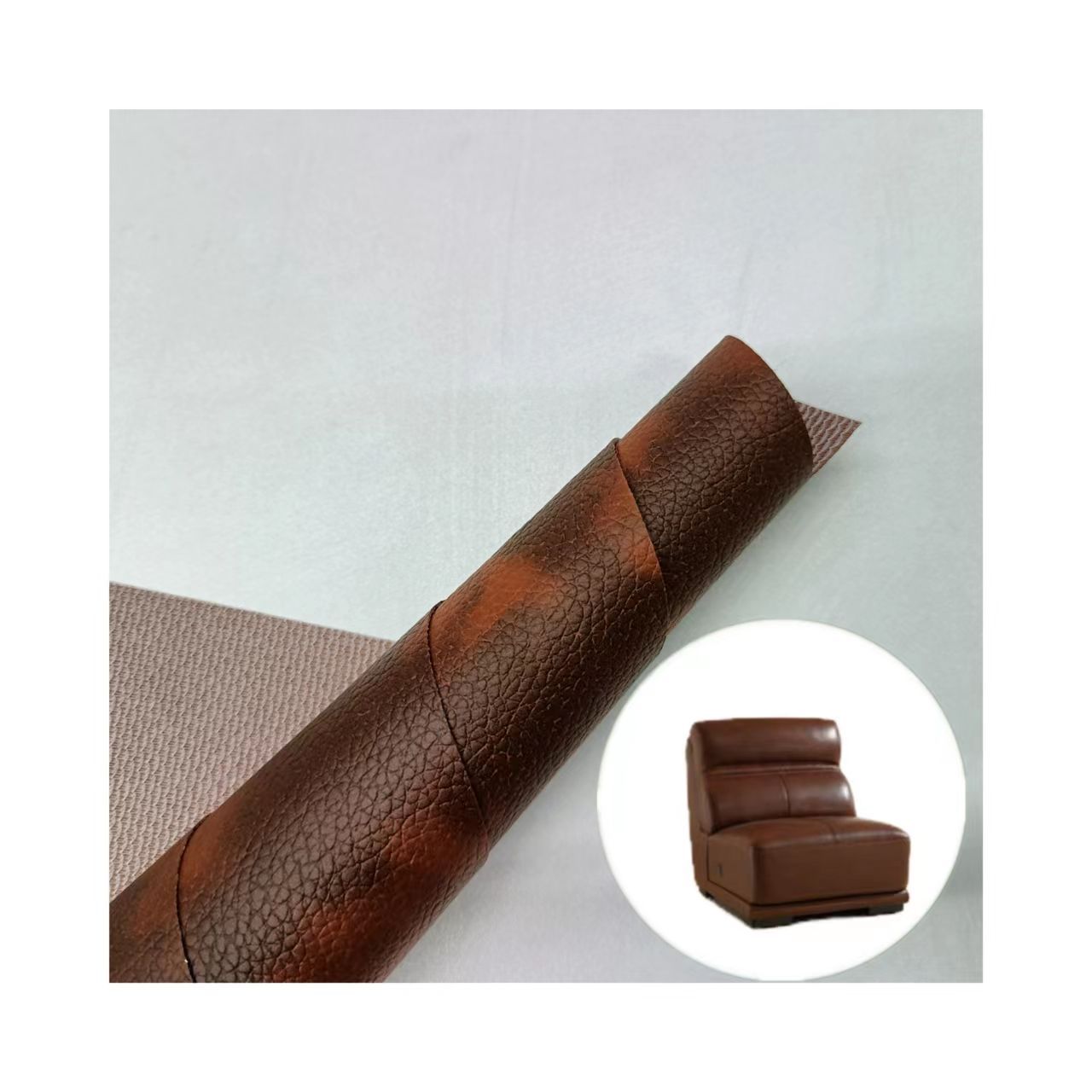
PVC Synthetic Leather Sheet/Roll for Automotive Seat Covers, 1.0 mm, 140 cm Width
Sourcing candidate for PVC synthetic leather supplied in rolls for automotive seat covers, upholstery, bags, shoes, and decorative textile applications. Buyer verification should focus on exact thickness versus title mismatch, PVC coating composition, backing fabric type, color/embossing requirements, restricted substance declarations, roll length, packing method, HS code confirmation, and export document readiness.
Quick buying facts
Identify the grade, package, and import market before comparing suppliers.
Use this page to check the product identity, common specification points, document scope, package notes, and destination-market questions before sending a China sourcing request.
Packing length: 30 m/roll stated; confirm if adjustable
HS code listed by source: 5903102010; buyer should verify against local import classification
Production capacity stated: 50,000 m/day; confirm realistic lead time by order size
Who uses this page
Target buyers
Automotive seat cover manufacturers
Automotive interior trim suppliers
Upholstery fabric importers
Furniture and sofa manufacturers
Bag and luggage manufacturers
Footwear material distributors
Home textile and decorative material converters
PVC coated textile wholesalers
Before matching
Documents to check
CAS number, grade, assay, and impurity profile
SDS, COA, TDS, HS code, and transport classification
Destination-market import documents before supplier matching
Package and route
Packing notes
Supplier states poly bag transport package; request full roll packing details including core diameter, outer wrap, carton or woven bag use, palletization, and moisture protection.
Standard roll length stated as 30 m/roll; confirm roll tolerance, splice policy, and labeling format.
For export shipments, request packing list showing roll count, gross/net weight, dimensions, batch/lot numbers, and country of origin.
Confirm whether rolls can be packed on pallets or loose-loaded based on destination handling requirements.
Request container loading plan for 20GP/40GP and confirm whether loading quantity is based on selected thickness, roll diameter, and packing method.
Applications and sourcing options
Check whether this product fits the buyer's actual application.
Clear application, grade, package, and document notes help separate real sourcing demand from a vague price check.
Use context
Common applications
Automotive seat covers and interior upholstery where buyer-specified durability and VOC requirements are met
Sofa, chair, and furniture upholstery after abrasion and color fastness verification
Bags, luggage, and small leather goods requiring PVC synthetic leather rolls
Shoe upper or lining applications subject to flexibility and restricted substance checks
Decorative textile panels, cushions, pet beds, and home textile accessories
Cut-and-sew production using roll-fed synthetic leather material
How we compare
Sourcing options
Standard PVC synthetic leather roll, 1.0 mm, 140 cm width, embossed finish
Customized color PVC synthetic leather with buyer-approved swatch
Printed two-tone PVC synthetic leather for automotive or furniture use
Customized backing fabric, hand feel, gloss, grain, and roll length subject to MOQ
Container-scale sourcing with loading plan based on selected thickness and roll packing
Sample-first procurement followed by pre-production sample approval and third-party inspection
Human review
Compliance notes
No CAS number is normally applicable to the finished synthetic leather article, but buyers should request material composition disclosure for PVC resin, plasticizer type, pigments, stabilizers, backing textile, adhesive, and additives where commercially available.
Request current SDS or product safety information sheet if the product is shipped as a PVC coated textile and destination customs or customer policy requires chemical content documentation.
Request restricted substance declarations relevant to the target market, such as REACH SVHC, RoHS if applicable, phthalates, azo dyes, PAHs, heavy metals, organotin compounds, formaldehyde, and California Proposition 65 where relevant.
For automotive use, request test reports for abrasion resistance, color fastness, fogging, odor/VOC, flame performance, hydrolysis/aging, cold crack, mildew resistance, and tensile/tear strength according to buyer-required standards.
Confirm whether the product contains plasticizers such as DEHP, DBP, BBP, DINP, DIDP, or DNOP, and request test limits rather than general statements.
Verify HS code 5903102010 with customs broker because classification may depend on substrate, coating visibility, end use, and local tariff rules.
Confirm dangerous goods status for transport. Finished PVC coated textile rolls are typically not shipped as DG, but any solvent residue, coatings, or accessory chemicals should be declared by the supplier.
Request COA or inspection report by batch for thickness, width, weight, color difference, surface defects, adhesion, and roll length tolerance.
Buyer search paths
Related sourcing terms
These terms support long-tail discovery while keeping the page focused on useful product and China export buying context.
Share target market, quantity, packaging scope, artwork status, delivery destination, and required documents so CHN Chemicals can prepare a cleaner supplier comparison.
Questions to confirm
Please confirm the exact target thickness for this item: the title states 0.4 mm while the specification table states 1.0 mm.
What is the full construction: PVC layer thickness, backing fabric composition, backing weight, total GSM, and any foam or adhesive layer?
Can you provide a technical data sheet with thickness tolerance, width tolerance, roll length tolerance, weight, abrasion, tensile, tear, peel strength, color fastness, and cold crack data?
Which plasticizers and stabilizers are used, and can you provide phthalate, heavy metal, PAH, azo dye, and REACH SVHC test reports for the selected color?
For automotive seating, can you provide VOC, fogging, odor, flame, abrasion, and aging test reports matching the buyer's required standard?
What colors, grain patterns, embossing plates, print effects, and gloss levels are available, and what is the minimum order for custom color matching?
Can you match a buyer-supplied color standard such as Pantone, physical swatch, or OEM trim sample, and what is the approval process for lab dips or strike-offs?
What is the MOQ per color/design and the MOQ for customized backing, thickness, or embossing?
Checks before quote
No CAS number is normally applicable to the finished synthetic leather article, but buyers should request material composition disclosure for PVC resin, plasticizer type, pigments, stabilizers, backing textile, adhesive, and additives where commercially available.
Request current SDS or product safety information sheet if the product is shipped as a PVC coated textile and destination customs or customer policy requires chemical content documentation.
Request restricted substance declarations relevant to the target market, such as REACH SVHC, RoHS if applicable, phthalates, azo dyes, PAHs, heavy metals, organotin compounds, formaldehyde, and California Proposition 65 where relevant.
For automotive use, request test reports for abrasion resistance, color fastness, fogging, odor/VOC, flame performance, hydrolysis/aging, cold crack, mildew resistance, and tensile/tear strength according to buyer-required standards.
Confirm whether the product contains plasticizers such as DEHP, DBP, BBP, DINP, DIDP, or DNOP, and request test limits rather than general statements.
Verify HS code 5903102010 with customs broker because classification may depend on substrate, coating visibility, end use, and local tariff rules.
Confirm dangerous goods status for transport. Finished PVC coated textile rolls are typically not shipped as DG, but any solvent residue, coatings, or accessory chemicals should be declared by the supplier.
Request COA or inspection report by batch for thickness, width, weight, color difference, surface defects, adhesion, and roll length tolerance.
Next step
Send the product page with your target quantity and market. A sourcing manager can then confirm sample options, supplier fit, packaging details, and open document gaps.