Sodium Carboxymethyl Cellulose CMC CAS 9004-32-4 Food/Industrial Grade Powder
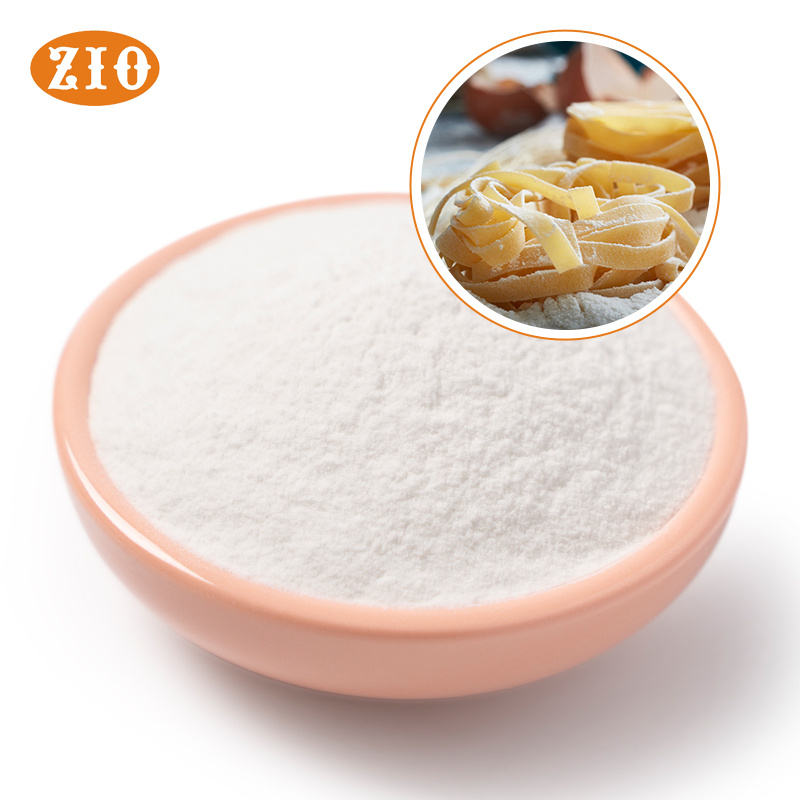
Sodium carboxymethyl cellulose (CMC), CAS 9004-32-4, offered as a white to yellowish powder for food, coating, paper, textile, oil drilling, detergent, cosmetics, and other industrial formulation uses. Buyer checks should focus on grade confirmation, viscosity range, pH, degree of substitution, purity/impurity profile, microbiological limits where food grade is requested, certificate availability, and export documentation for India, Africa, and Middle East shipments.
Quick buying facts
Identify the grade, package, and import market before comparing suppliers.
Use this page to check the product identity, common specification points, document scope, package notes, and destination-market questions before sending a China sourcing request.
CAS No.: 9004-32-4Cellulose ether / sodium carboxymethyl cellulose thickener and coating additiveCandidate - verify grade, COA, and export documents before listing
Reported viscosity range: 200-500 mPa.s; confirm test method, concentration, temperature, and spindle/speed before ordering
Reported pH range: 6.0-8.5; confirm solution concentration used for pH test
Reported density: 1.6 g/cm3
Reported melting/decomposition point: 274 °C dec.; use only as identification reference, not a processing specification
Grades mentioned: food grade, cosmetics grade, oil drilling grade, painting/coating grade, paper grade, mining grade, and other industrial grades; confirm exact grade and application standard
Key specification items to request: degree of substitution, viscosity grade, purity, moisture/loss on drying, sodium chloride content, sodium glycolate content, heavy metals, arsenic/lead limits, particle size, microbiology for food grade, and insoluble matter
Who uses this page
Target buyers
Indian coating additive distributors seeking CMC thickener grades
Paint and coating formulators requiring cellulose ether viscosity modifiers
Paper, textile, detergent, and ceramics chemical distributors
Oil drilling chemical buyers requiring CMC viscosity/fluid-loss grades
Africa and Middle East industrial chemical importers sourcing bagged cellulose ether products
Private-label chemical suppliers needing document-ready export lots
Before matching
Documents to check
CAS number, grade, assay, and impurity profile
SDS, COA, TDS, HS code, and transport classification
Destination-market import documents before supplier matching
Package and route
Packing notes
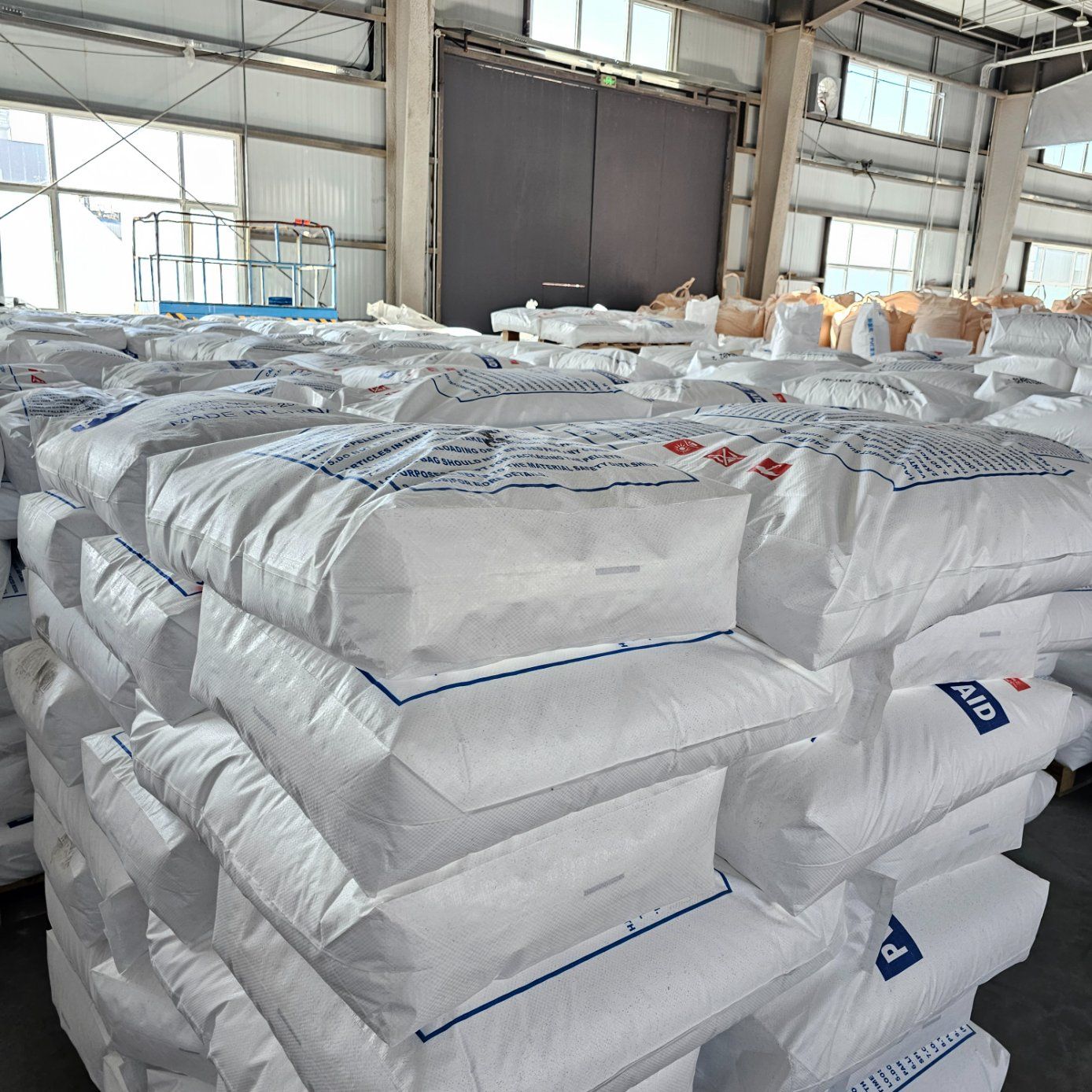
Standard packing reported as 25 kg/bag; confirm inner liner, moisture barrier, palletization, and bag material
Request photos of original packaging, label, batch number format, production date, and shelf-life statement
For humid destinations such as India coastal ports, Africa, and Middle East routes, confirm moisture-proof packing and container desiccant options
Ask whether sample packaging and commercial packaging come from the same production grade and batch control system
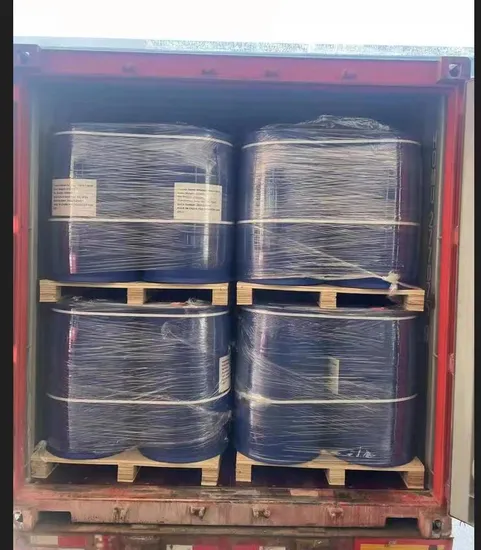
Confirm container loading quantity, palletized versus non-palletized loading, and whether fumigation certificates are needed for wooden pallets
Applications and sourcing options
Check whether this product fits the buyer's actual application.
Clear application, grade, package, and document notes help separate real sourcing demand from a vague price check.
Use context
Common applications
Coating and paint formulations where CMC is evaluated as a rheology modifier or water-retention additive
Food formulations requiring verified food-grade CMC thickener or stabilizer grade, subject to local compliance checks
Paper and textile auxiliary applications requiring controlled viscosity and substitution level
Detergent, ceramics, and general industrial formulations requiring water-soluble cellulose ether performance
Oil drilling fluids where appropriate drilling-grade CMC is specified separately from food or coating grades
How we compare
Sourcing options
Request coating-grade CMC with defined viscosity and degree of substitution instead of relying on a broad multi-industry listing
Compare food-grade and industrial-grade CMC offers by COA parameters, not only price per kg
Source trial samples from at least two qualified suppliers and test viscosity, dissolution behavior, and formulation compatibility
Use third-party pre-shipment testing for viscosity, moisture, NaCl, heavy metals, and microbiology if food grade is requested
Ask for India-focused export document set and confirm non-DG shipment classification before payment
Consider palletized moisture-protected packing for sea freight and humid arrival conditions
Human review
Compliance notes
Request current COA, SDS/MSDS, TDS, food grade declaration if applicable, allergen/GMO/BSE-TSE statements where relevant, and certificate copies before RFQ closure
Source page mentions SGS, health certificate, ISO, HALAL, GMP, and MSDS availability for most products; buyer should verify document scope, issuing body, validity period, and whether documents apply to the exact CMC grade offered
CAS/spec verification is required because CMC grades differ significantly by viscosity, substitution level, purity, and intended use
For food applications, confirm conformity to the buyer market standard and local import requirements; no regulatory approval should be assumed from the listing
For coating or industrial use, request a non-food industrial grade COA and confirm compatibility data, but do not rely on food grade claims as a substitute for coating performance testing
Confirm HS code, country of origin, manufacturer identity, and export documents before shipment
DG/export awareness: CMC is generally shipped as a non-dangerous powder in many trade lanes, but buyer should confirm SDS transport classification, dust-related precautions, and local import documentation requirements
Do not treat marketplace certifications or supplier membership badges as proof of product compliance; verify batch-level and document-level evidence
Buyer search paths
Related sourcing terms
These terms support long-tail discovery while keeping the page focused on useful product and China export buying context.
CMC CAS 9004-32-4sodium carboxymethyl cellulose supplierCMC coating additive Indiafood grade CMC powderindustrial grade CMCcellulose ether thickenerCMC viscosity gradeCMC 25kg bagcarboxymethyl cellulose sodium saltCMC for paint and coatingCMC for paper textile detergentCMC export China to India
Related product options
Build a broader quote package from adjacent options.
Buyers often compare neighboring grades, forms, or route options before sending one consolidated RFQ.
Share target market, quantity, packaging scope, artwork status, delivery destination, and required documents so CHN Chemicals can prepare a cleaner supplier comparison.
Questions to confirm
Please confirm the exact CMC grade offered for coating additive use in India: food grade, industrial coating grade, or another grade?
What is the CAS number, manufacturer name, country of origin, and HS code on the export documents?
Please provide a recent COA for the same grade showing viscosity, test method, pH, degree of substitution, moisture, NaCl, sodium glycolate, heavy metals, particle size, and microbial limits if food grade.
What viscosity method is used for the reported 200-500 mPa.s value: solution concentration, temperature, instrument, spindle, and speed?
Can you provide TDS, SDS/MSDS, COA, ISO certificate, HALAL certificate if applicable, SGS or third-party test report, and food-grade declaration where relevant?
Is the product manufactured in-house or traded? If traded, can the original manufacturer documents be supplied?
What are the available viscosity grades and substitution levels for coating, paper, and food applications?
What is the MOQ for sample order, trial order, and full container order?
Checks before quote
Request current COA, SDS/MSDS, TDS, food grade declaration if applicable, allergen/GMO/BSE-TSE statements where relevant, and certificate copies before RFQ closure
Source page mentions SGS, health certificate, ISO, HALAL, GMP, and MSDS availability for most products; buyer should verify document scope, issuing body, validity period, and whether documents apply to the exact CMC grade offered
CAS/spec verification is required because CMC grades differ significantly by viscosity, substitution level, purity, and intended use
For food applications, confirm conformity to the buyer market standard and local import requirements; no regulatory approval should be assumed from the listing
For coating or industrial use, request a non-food industrial grade COA and confirm compatibility data, but do not rely on food grade claims as a substitute for coating performance testing
Confirm HS code, country of origin, manufacturer identity, and export documents before shipment
DG/export awareness: CMC is generally shipped as a non-dangerous powder in many trade lanes, but buyer should confirm SDS transport classification, dust-related precautions, and local import documentation requirements
Do not treat marketplace certifications or supplier membership badges as proof of product compliance; verify batch-level and document-level evidence
Next step
Send the product page with your target quantity and market. A sourcing manager can then confirm sample options, supplier fit, packaging details, and open document gaps.