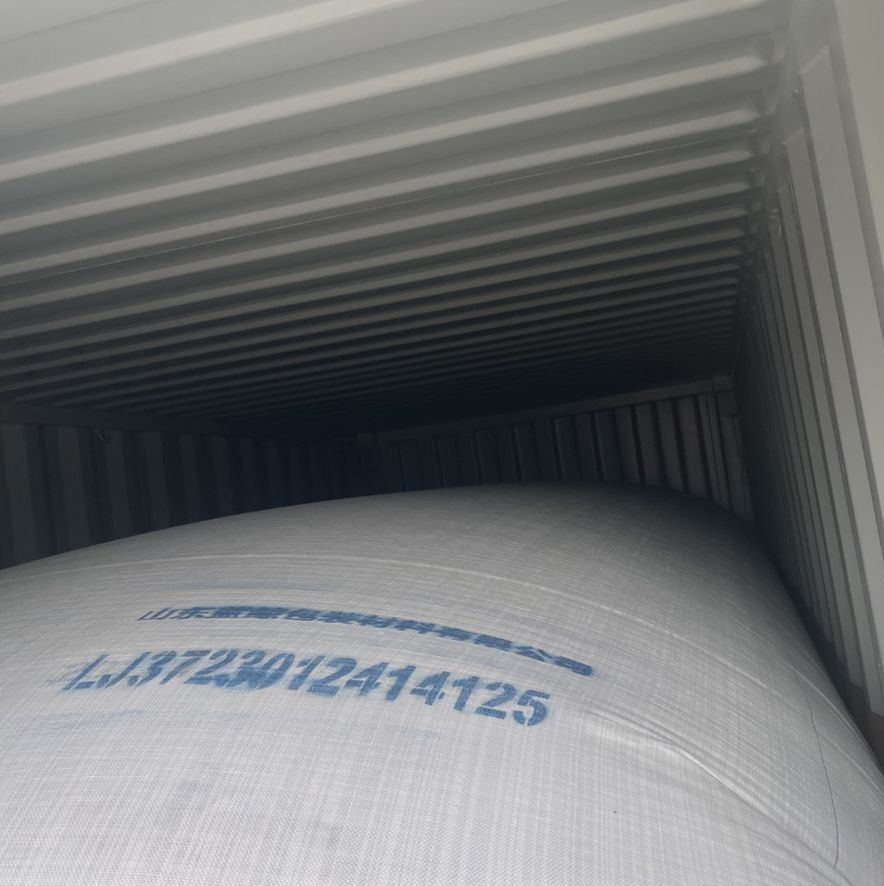
Sodium Chlorite Solution 25–31% CAS 7758-19-2 in IBC Packing
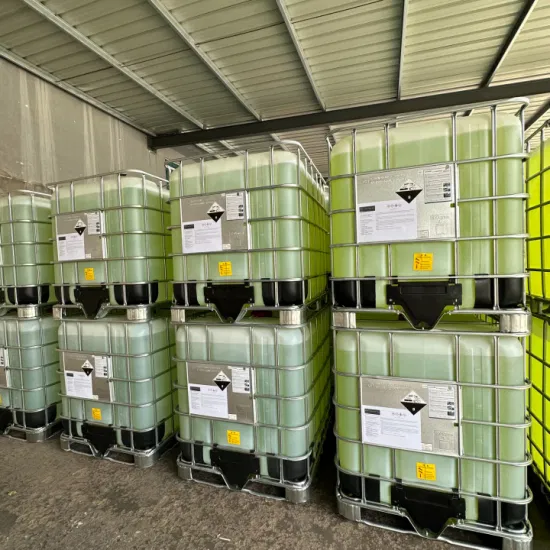
Buyer-facing sourcing candidate for sodium chlorite solution CAS 7758-19-2, typically offered at 25% or 31% concentration as a light yellowish-green liquid in 1250 kg IBC tanks. Key checks for overseas buyers include concentration confirmation, impurity profile, COA alignment, DG classification, UN 1908 export documentation, and IBC suitability for hazardous liquid shipment.
Quick buying facts
Identify the grade, package, and import market before comparing suppliers.
Use this page to check the product identity, common specification points, document scope, package notes, and destination-market questions before sending a China sourcing request.
CAS No.: 7758-19-2Inorganic oxidizing chemical solution / industrial water treatment chemicalHuman review
Pulp and textile chemical distributors subject to local compliance controls
Industrial oxidant buyers with DG import capability
Chemical toll service companies requiring documented sodium chlorite solution supply
Regional chemical stockists with approved hazardous liquid storage and transport channels
Procurement teams sourcing IBC-packed inorganic chemical solutions
Before matching
Documents to check
CAS number, grade, assay, and impurity profile
SDS, COA, TDS, HS code, and transport classification
Destination-market import documents before supplier matching
Package and route
Packing notes
Standard packing stated as 1250 kg IBC tanks.
Container loading stated as 1 x 20 ft container containing 25 metric tons / 20 IBC tanks.
Confirm whether IBCs are UN-approved for the declared dangerous goods classification and concentration.
Request packing photos, IBC specification sheet, net weight/gross weight, palletization details, and container loading plan before shipment.
Confirm IBC closure, venting specification if applicable, batch labeling, hazard labeling, and export marks are aligned with DG shipping requirements.
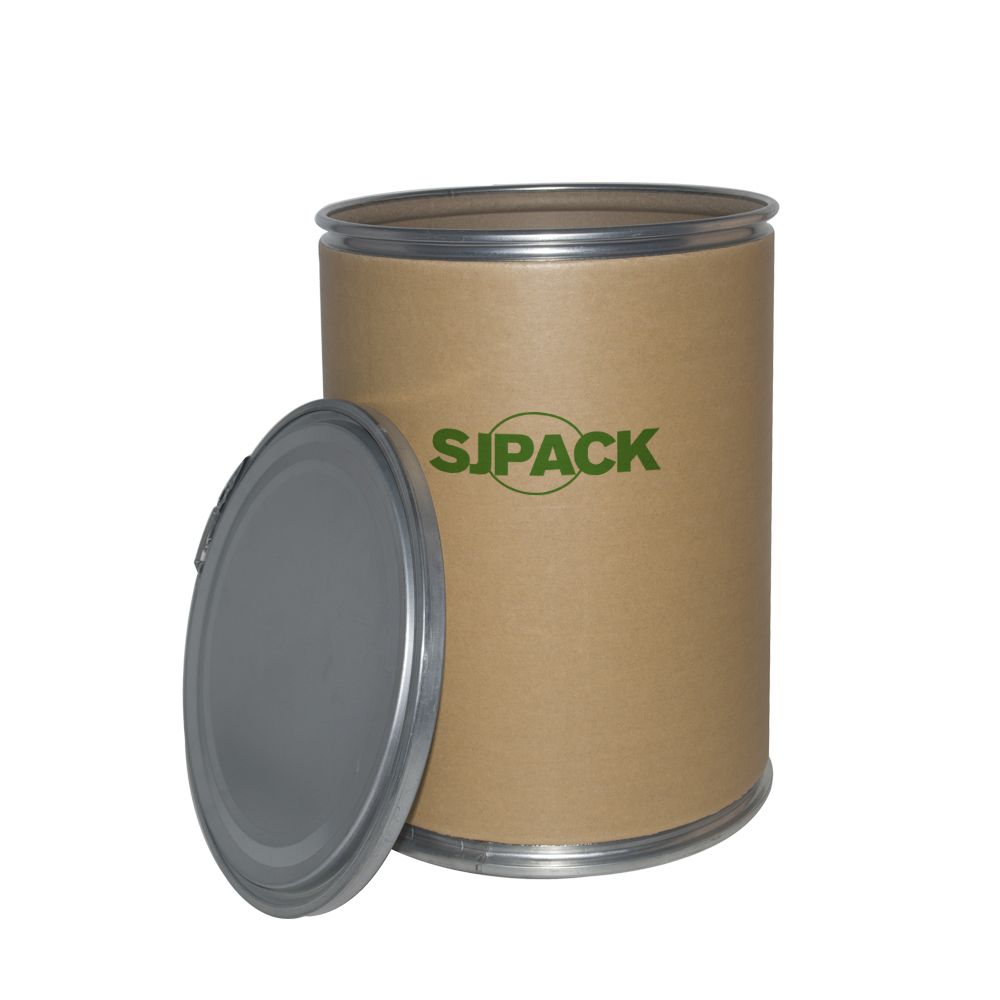
Ask whether alternative packing is available for different destination port, carrier, or consignee requirements.
Applications and sourcing options
Check whether this product fits the buyer's actual application.
Clear application, grade, package, and document notes help separate real sourcing demand from a vague price check.
Use context
Common applications
Industrial water treatment chemical sourcing where sodium chlorite solution is specified by CAS and concentration
Distributor inventory planning for IBC-packed sodium chlorite solution
Tender comparison requiring COA impurity checks and DG export document review
Replacement supplier qualification for 25–31% sodium chlorite solution
Pre-shipment verification of hazardous chemical packing, labeling, and documentation
How we compare
Sourcing options
25% sodium chlorite solution in IBC tanks
30% sodium chlorite solution in IBC tanks, subject to confirmed assay range
31% sodium chlorite solution in 1250 kg IBC tanks
Full-container DG shipment, stated loading around 25 MT per 20 ft container
FOB, CFR, or CIF quotation review subject to carrier acceptance and destination import requirements
Batch-specific procurement with COA, SDS, DG documents, and optional third-party inspection
Human review
Compliance notes
This product should be treated as a dangerous goods chemical for international sourcing review.
Supplier listing identifies Hazard Class 8 and UN 1908; buyers should verify current SDS, DG declaration, and transport classification with the supplier, carrier, and destination rules.
Request recent COA, SDS, TDS/specification sheet, certificate of origin, packing list, commercial invoice, and dangerous goods transport documents before order confirmation.
Confirm REACH, local inventory status, import license needs, and end-use restrictions with a qualified compliance provider for the destination market.
Do not rely on marketplace text alone for regulatory status, transport acceptance, or import eligibility.
Check whether concentration, impurities, and packaging match the purchase contract and receiving-country registration or permit requirements.
Because sodium chlorite is an oxidizing/corrosive chemical solution, shipment acceptance may vary by carrier, route, port, and packing approval.
Buyer search paths
Related sourcing terms
These terms support long-tail discovery while keeping the page focused on useful product and China export buying context.
sodium chlorite solution CAS 7758-19-2UN 1908 sodium chlorite solution31% sodium chlorite solution25% sodium chlorite solutionIBC chemical packing1250 kg IBC sodium chloritewater treatment chemical supplierdangerous goods chemical exportClass 8 chemical solutionNaClO2 solution
Related packing and logistics options
Build a broader quote package from adjacent options.
Buyers often compare neighboring grades, forms, or route options before sending one consolidated RFQ.
Share target market, quantity, packaging scope, artwork status, delivery destination, and required documents so CHN Chemicals can prepare a cleaner supplier comparison.
Questions to confirm
Is the offered material 25%, 30%, or 31% sodium chlorite solution, and what is the guaranteed assay range in the sales contract?
Can you provide a recent batch COA showing sodium chlorite assay and impurities including sodium hydroxide, sodium chlorate, sodium chloride, carbonate, sulfate, nitrate, arsenic, mercury, and lead?
Is the CAS number 7758-19-2 used consistently on the COA, SDS, commercial invoice, packing list, and labels?
Please provide the latest SDS in English and confirm the UN number, hazard class, packing group if applicable, and proper shipping name used for export.
Are the 1250 kg IBCs UN-approved and accepted by the proposed ocean carrier for this product and concentration?
What is the shelf-life stated on current documentation, and how is remaining shelf-life calculated at shipment date?
Can you provide pre-shipment photos of the IBCs, labels, batch numbers, and container loading?
What Incoterms are available for this DG cargo, such as FOB, CFR, or CIF, and which Chinese port is used?
Checks before quote
This product should be treated as a dangerous goods chemical for international sourcing review.
Supplier listing identifies Hazard Class 8 and UN 1908; buyers should verify current SDS, DG declaration, and transport classification with the supplier, carrier, and destination rules.
Request recent COA, SDS, TDS/specification sheet, certificate of origin, packing list, commercial invoice, and dangerous goods transport documents before order confirmation.
Confirm REACH, local inventory status, import license needs, and end-use restrictions with a qualified compliance provider for the destination market.
Do not rely on marketplace text alone for regulatory status, transport acceptance, or import eligibility.
Check whether concentration, impurities, and packaging match the purchase contract and receiving-country registration or permit requirements.
Because sodium chlorite is an oxidizing/corrosive chemical solution, shipment acceptance may vary by carrier, route, port, and packing approval.
Next step
Send the product page with your target quantity and market. A sourcing manager can then confirm sample options, supplier fit, packaging details, and open document gaps.