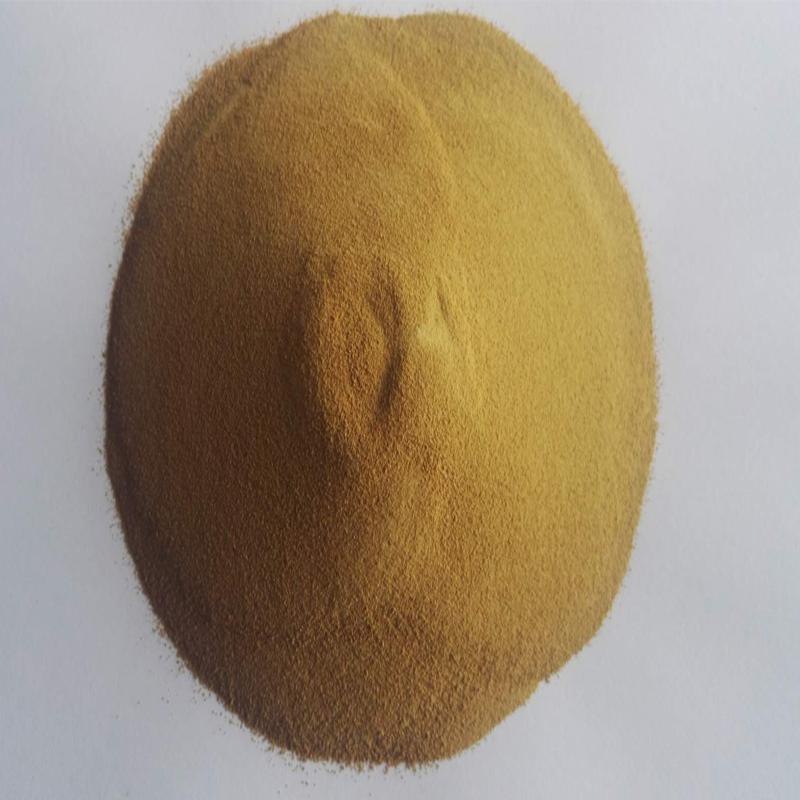
Sodium Lignosulfonate CAS 8061-51-6 Brown Powder for Concrete Admixture and Drilling Additive Sourcing
Buyer-facing sourcing candidate for sodium lignosulfonate CAS 8061-51-6, typically supplied as a brown powder for concrete admixture, water-reducing, dispersing, grouting, mortar, and drilling additive applications. Key checks for RFQ include CAS confirmation, lignin content, pH, moisture, insolubles, reducing substances, mesh size, packing format, COA/SDS readiness, HS code, and export shipment classification.
Quick buying facts
Identify the grade, package, and import market before comparing suppliers.
Use this page to check the product identity, common specification points, document scope, package notes, and destination-market questions before sending a China sourcing request.
CAS: 8061-51-6Industrial additive / lignosulfonate-based dispersant and water reducerCandidate for RFQ after CAS, grade, COA, SDS, packing, and export document verification
Chemical trading companies sourcing lignosulfonate products
Before matching
Documents to check
CAS number, grade, assay, and impurity profile
SDS, COA, TDS, HS code, and transport classification
Destination-market import documents before supplier matching
Package and route
Packing notes
Common export packing indicated: 25 kg bag.
Reported loading reference: about 13 tons per 20GP; confirm actual palletization, container loading, and moisture protection.
Ask whether bags are kraft paper, woven PP, PE-lined, or customized for sea freight.
Confirm net weight, gross weight, pallet dimensions, and whether fumigation-free pallets are available.
Request photos of inner liner, bag marking, batch label, and pallet wrapping before shipment.
Applications and sourcing options
Check whether this product fits the buyer's actual application.
Clear application, grade, package, and document notes help separate real sourcing demand from a vague price check.
Use context
Common applications
Concrete water-reducing admixture formulation
Mortar, plastering, grouting, and self-leveling compound additive sourcing
Dispersant use in industrial formulations where sodium lignosulfonate is specified
Drilling additive procurement where lignosulfonate-based material is required
Coal water slurry additive procurement after compatibility testing
How we compare
Sourcing options
Standard 25 kg bag export shipment
Palletized sea-freight packing with moisture protection
Sample order for laboratory verification before bulk purchase
Bulk order by full container load after COA and SDS review
Third-party inspection before shipment for quality and quantity confirmation
Private-label or customized bag marking subject to supplier confirmation
Human review
Compliance notes
Verify CAS 8061-51-6, product identity, and composition against supplier COA and SDS before purchase.
Request current SDS in English and destination-market compliant format where required.
Confirm whether the shipment is classified as non-dangerous goods for sea/air/road transport; obtain written DG/non-DG transport statement where applicable.
Check HS code 380400 or destination customs classification with importer/broker before shipment.
Confirm export documents available: commercial invoice, packing list, COA, SDS, certificate of origin if needed, bill of lading draft, and optional pre-shipment inspection report.
Do not rely on marketplace listing claims alone; require batch-specific COA and third-party inspection if critical.
Confirm destination-country chemical inventory, import notification, labeling, and end-use requirements with qualified compliance support.
Buyer search paths
Related sourcing terms
These terms support long-tail discovery while keeping the page focused on useful product and China export buying context.
sodium lignosulfonate exportsodium lignosulphonate CAS 8061-51-6SLS brown powderlignosulfonate water reducerconcrete admixture sodium lignosulfonatedrilling additive lignosulfonatecoal water slurry additivelignin dispersant powderHS code 380400 lignosulfonate
Related product options
Build a broader quote package from adjacent options.
Buyers often compare neighboring grades, forms, or route options before sending one consolidated RFQ.
Share target market, quantity, packaging scope, artwork status, delivery destination, and required documents so CHN Chemicals can prepare a cleaner supplier comparison.
Questions to confirm
Can you provide a recent batch COA matching CAS 8061-51-6 and the listed specifications?
What is the exact sodium lignosulfonate content or lignin content range guaranteed per batch?
What are the standard limits for moisture, water insolubles, reducing substances, ash/inorganic content, pH, and mesh size?
Is this product intended for concrete admixture grade, drilling grade, coal water slurry grade, or a general industrial grade?
Can you provide sample quantities for lab compatibility testing before bulk order?
What is the MOQ, lead time, monthly capacity, and current export price basis such as FOB, CFR, or CIF?
What packing options are available: 25 kg bags, jumbo bags, palletized cargo, or customized labels?
Can you provide English SDS, COA, non-DG statement, HS code confirmation, and certificate of origin?
Checks before quote
Verify CAS 8061-51-6, product identity, and composition against supplier COA and SDS before purchase.
Request current SDS in English and destination-market compliant format where required.
Confirm whether the shipment is classified as non-dangerous goods for sea/air/road transport; obtain written DG/non-DG transport statement where applicable.
Check HS code 380400 or destination customs classification with importer/broker before shipment.
Confirm export documents available: commercial invoice, packing list, COA, SDS, certificate of origin if needed, bill of lading draft, and optional pre-shipment inspection report.
Do not rely on marketplace listing claims alone; require batch-specific COA and third-party inspection if critical.
Confirm destination-country chemical inventory, import notification, labeling, and end-use requirements with qualified compliance support.
Next step
Send the product page with your target quantity and market. A sourcing manager can then confirm sample options, supplier fit, packaging details, and open document gaps.