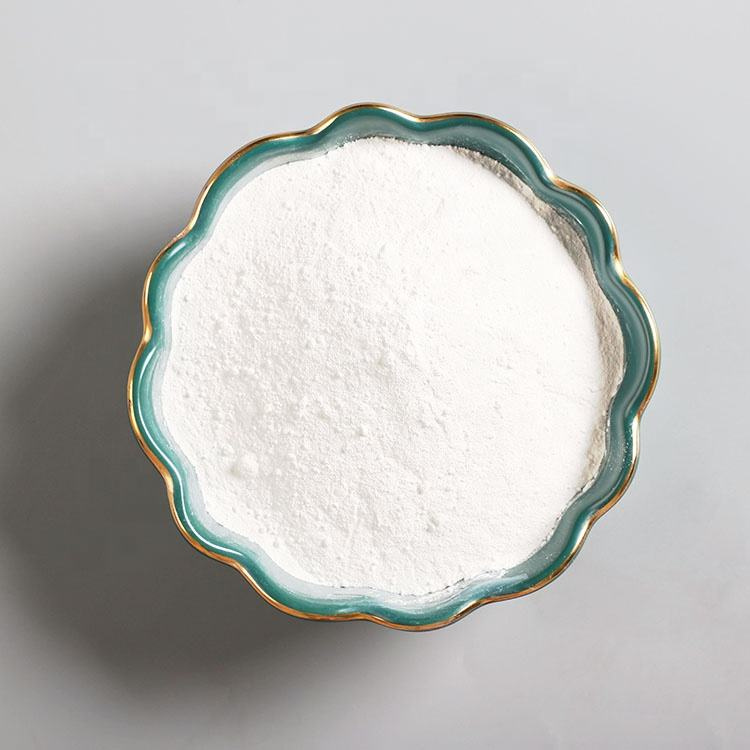
Titanium Dioxide (TiO2) Rutile/Anatase Pigment for Plastic Masterbatch and Color Concentrates
Industrial-grade titanium dioxide pigment candidate for overseas buyers sourcing TiO2 for plastic masterbatch, color concentrates, coatings, inks, paper, rubber, and general industrial use. Buyer verification should focus on CAS 13463-67-7, rutile versus anatase grade, TiO2 assay, surface treatment, dispersion performance in resin systems, impurity limits, particle-size/sieve residue, oil absorption, brightness, tinting strength, packing format, export documentation, and lot-specific COA availability.
Quick buying facts
Identify the grade, package, and import market before comparing suppliers.
Use this page to check the product identity, common specification points, document scope, package notes, and destination-market questions before sending a China sourcing request.
CAS No.: 13463-67-7Inorganic pigment / titanium dioxide oxide pigmentCandidate - document and grade verification required
Compounders using PE, PP, PVC, PS, ABS, or PU systems
Coatings and powder coating manufacturers
Printing ink producers
Paper coating and filling users
Rubber product manufacturers
Industrial pigment distributors
Before matching
Documents to check
CAS number, grade, assay, and impurity profile
SDS, COA, TDS, HS code, and transport classification
Destination-market import documents before supplier matching
Package and route
Packing notes
Standard packing stated as 25 kg bag.
Bulk packing stated as 1000 kg bag.
Transport package listed as 25 kg / 1 ton / customized.
Confirm bag material, liner type, palletization, moisture protection, and container loading plan before order.
Confirm whether neutral packing, buyer label, or OEM packaging is available and whether export marks can match buyer import requirements.
Request photos of actual commercial packaging and batch labels before shipment.
Applications and sourcing options
Check whether this product fits the buyer's actual application.
Clear application, grade, package, and document notes help separate real sourcing demand from a vague price check.
Use context
Common applications
White pigment for plastic masterbatch and color concentrate production
Opacity and tinting support in plastic compounds
Pigment use in coatings, industrial coatings, powder coatings, and architectural coatings
Pigment use in inks and general industrial formulations
Paper opacity and coating applications where industrial TiO2 grade is suitable
Rubber and synthetic fiber pigment or matting applications after grade validation
How we compare
Sourcing options
Rutile titanium dioxide grade for plastics, coatings, inks, and outdoor applications
Anatase titanium dioxide grade for paper, rubber, interior coating, or matting applications
25 kg bag packing for standard distribution and plant use
1000 kg jumbo bag packing for bulk industrial consumption
Customized packaging or buyer branding subject to supplier confirmation
Sample testing before bulk order, with courier cost and sample quantity to be confirmed
Third-party inspection or lab verification before shipment
Human review
Compliance notes
Verify CAS 13463-67-7 and TiO2 grade against the supplier COA, SDS, TDS, and commercial invoice before purchase.
Confirm whether the offered material is rutile, anatase, or blended grade; do not rely on the product title alone.
The phrase “oil soluble titanium dioxide” should be clarified because titanium dioxide is typically an insoluble pigment; confirm whether this refers to oil dispersibility, surface treatment, or a specific masterbatch-compatible grade.
Request lot-specific COA covering TiO2 assay, rutile/anatase content, volatile matter, water-soluble matter, pH, sieve residue, brightness, oil absorption, tinting strength, and any buyer-required heavy metal limits.
Confirm surface treatment details, such as alumina, silica, organic treatment, or untreated grade, especially for plastics and masterbatch use.
Check impurity requirements for the destination market and end application, including heavy metals and any restricted substances relevant to plastics, coatings, inks, or food-contact-adjacent applications.
Request current SDS in GHS format and confirm transport classification, UN number if any, and whether the cargo is treated as non-DG for the intended route.
Confirm export documentation availability, including COA, SDS, TDS, packing list, commercial invoice, certificate of origin, and any inspection certificate required by the buyer.
Buyer search paths
Related sourcing terms
These terms support long-tail discovery while keeping the page focused on useful product and China export buying context.
titanium dioxideTiO2 pigmentCAS 13463-67-7rutile titanium dioxideanatase titanium dioxideplastic masterbatch pigmentcolor concentrate chemicalwhite pigment for plasticsindustrial grade titanium dioxideTiO2 for coatingsTiO2 for inksTiO2 for paper
Related product options
Build a broader quote package from adjacent options.
Buyers often compare neighboring grades, forms, or route options before sending one consolidated RFQ.
Share target market, quantity, packaging scope, artwork status, delivery destination, and required documents so CHN Chemicals can prepare a cleaner supplier comparison.
Questions to confirm
Is the quoted product rutile TiO2, anatase TiO2, or a selectable grade?
Can you provide a recent lot-specific COA for CAS 13463-67-7 matching the stated TiO2 ≥94.0% specification?
What is the exact model number offered for plastic masterbatch or color concentrate use?
Is the grade surface-treated? If yes, what are the inorganic and organic treatments?
What resin systems has this grade been tested in, such as PE, PP, PVC, PS, ABS, or PU?
Can you provide dispersion data, whiteness, undertone, tinting strength, particle size distribution, and oil absorption values for the current lot?
What impurity limits are controlled, including Fe, heavy metals, chloride/sulfate residue, and moisture?
Is the material produced by sulfate process or chloride process, and is this stated on the TDS?
Checks before quote
Verify CAS 13463-67-7 and TiO2 grade against the supplier COA, SDS, TDS, and commercial invoice before purchase.
Confirm whether the offered material is rutile, anatase, or blended grade; do not rely on the product title alone.
The phrase “oil soluble titanium dioxide” should be clarified because titanium dioxide is typically an insoluble pigment; confirm whether this refers to oil dispersibility, surface treatment, or a specific masterbatch-compatible grade.
Request lot-specific COA covering TiO2 assay, rutile/anatase content, volatile matter, water-soluble matter, pH, sieve residue, brightness, oil absorption, tinting strength, and any buyer-required heavy metal limits.
Confirm surface treatment details, such as alumina, silica, organic treatment, or untreated grade, especially for plastics and masterbatch use.
Check impurity requirements for the destination market and end application, including heavy metals and any restricted substances relevant to plastics, coatings, inks, or food-contact-adjacent applications.
Request current SDS in GHS format and confirm transport classification, UN number if any, and whether the cargo is treated as non-DG for the intended route.
Confirm export documentation availability, including COA, SDS, TDS, packing list, commercial invoice, certificate of origin, and any inspection certificate required by the buyer.
Next step
Send the product page with your target quantity and market. A sourcing manager can then confirm sample options, supplier fit, packaging details, and open document gaps.