Titanium Dioxide White Pigment Powder for Cosmetics, Coatings and Formulation RFQ
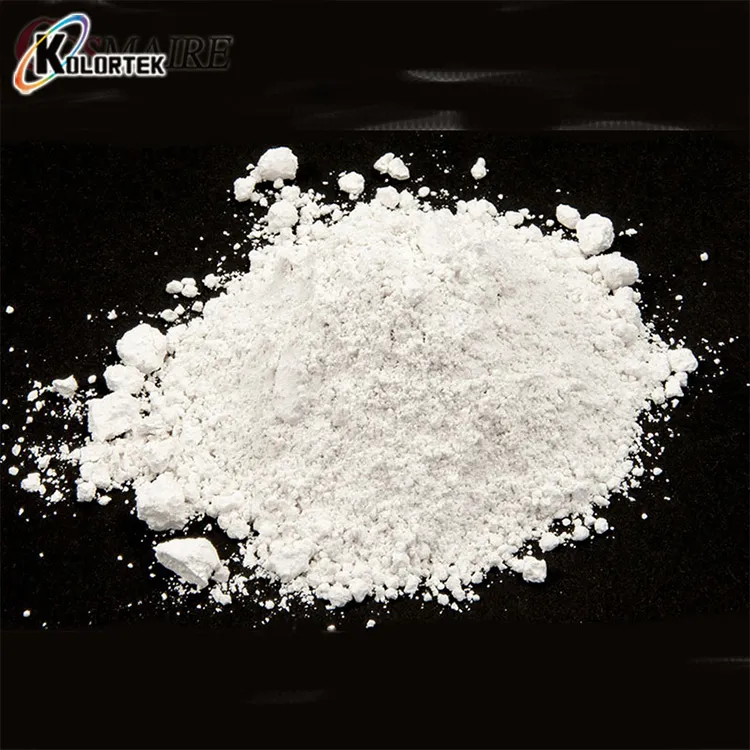
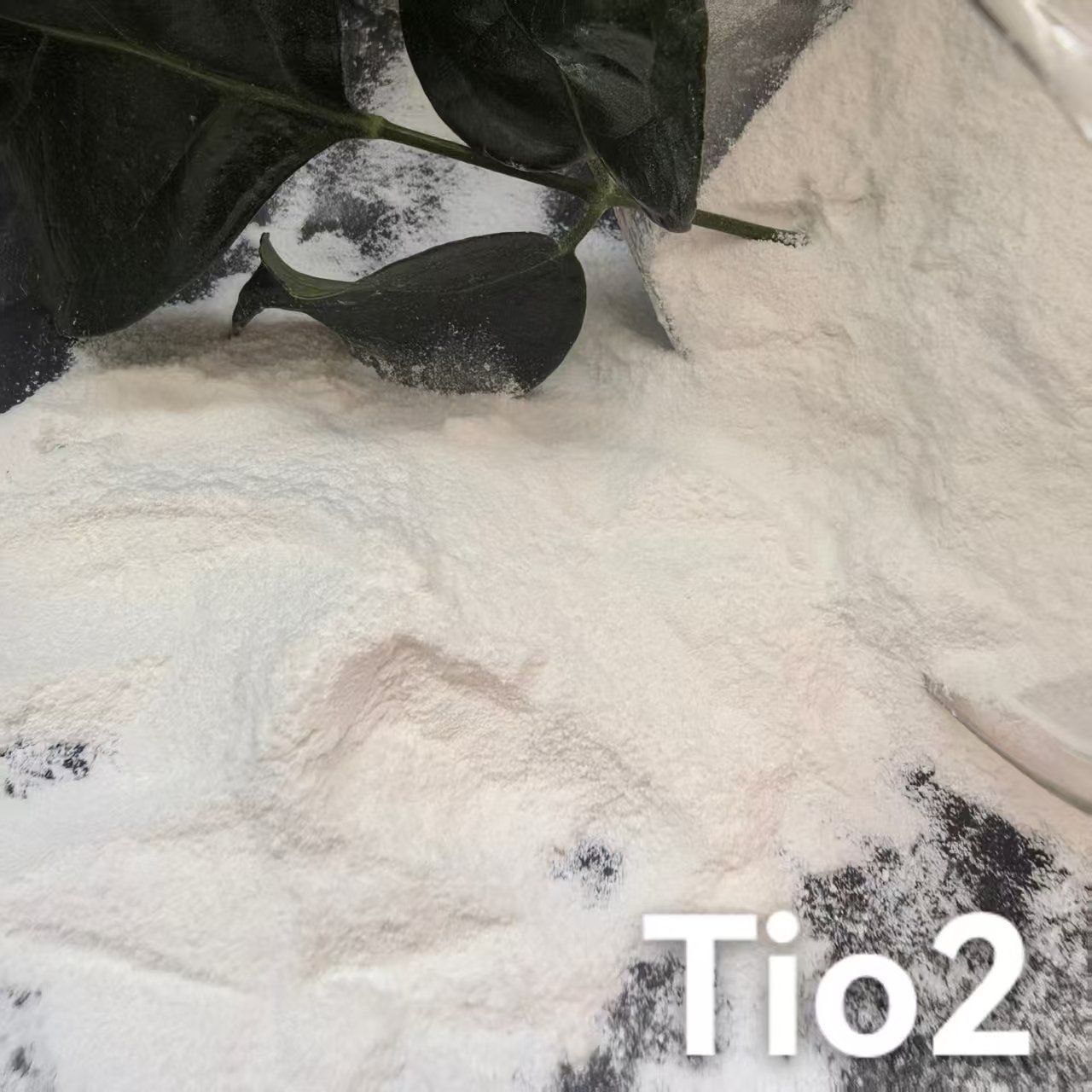
Titanium dioxide white pigment candidate offered as white powder with TiO2 composition, reported particle size around 1.0–1.7 microns and average 1.5 microns. Buyer verification should focus on CAS 13463-67-7, TiO2 assay, rutile/anatase form, surface treatment, hydrophilic or hydrophobic dispersibility, cosmetic or industrial grade alignment, impurity profile, SDS/TDS/COA availability, packing format, and export documentation readiness.
Quick buying facts
Identify the grade, package, and import market before comparing suppliers.
Use this page to check the product identity, common specification points, document scope, package notes, and destination-market questions before sending a China sourcing request.
CAS check: Titanium dioxide CAS 13463-67-7 should be confirmed on SDS, COA, invoice and customs documentsInorganic white pigment / titanium dioxide powderCandidate for RFQ document verification
Application grades to verify: cosmetic, coating, ink, plastic, paper, soap, or other end-use grade as required
Solubility: reported insoluble
Documents reported available: MSDS/SDS and TDS
Certifications claimed by source page: ISO9001 and cosmetic/food-related compliance references; buyer should request current evidence and scope
HS code reported: 32061900
Who uses this page
Target buyers
Cosmetic ingredient distributors
Color cosmetics manufacturers
Skincare and soap formulation buyers
Paint and coatings manufacturers
Ink and plastics compounders
Paper and specialty pigment buyers
Importers needing TiO2 pigment with export documentation
Private-label cosmetic raw material sourcing teams
Before matching
Documents to check
CAS number, grade, assay, and impurity profile
SDS, COA, TDS, HS code, and transport classification
Destination-market import documents before supplier matching
Package and route
Packing notes
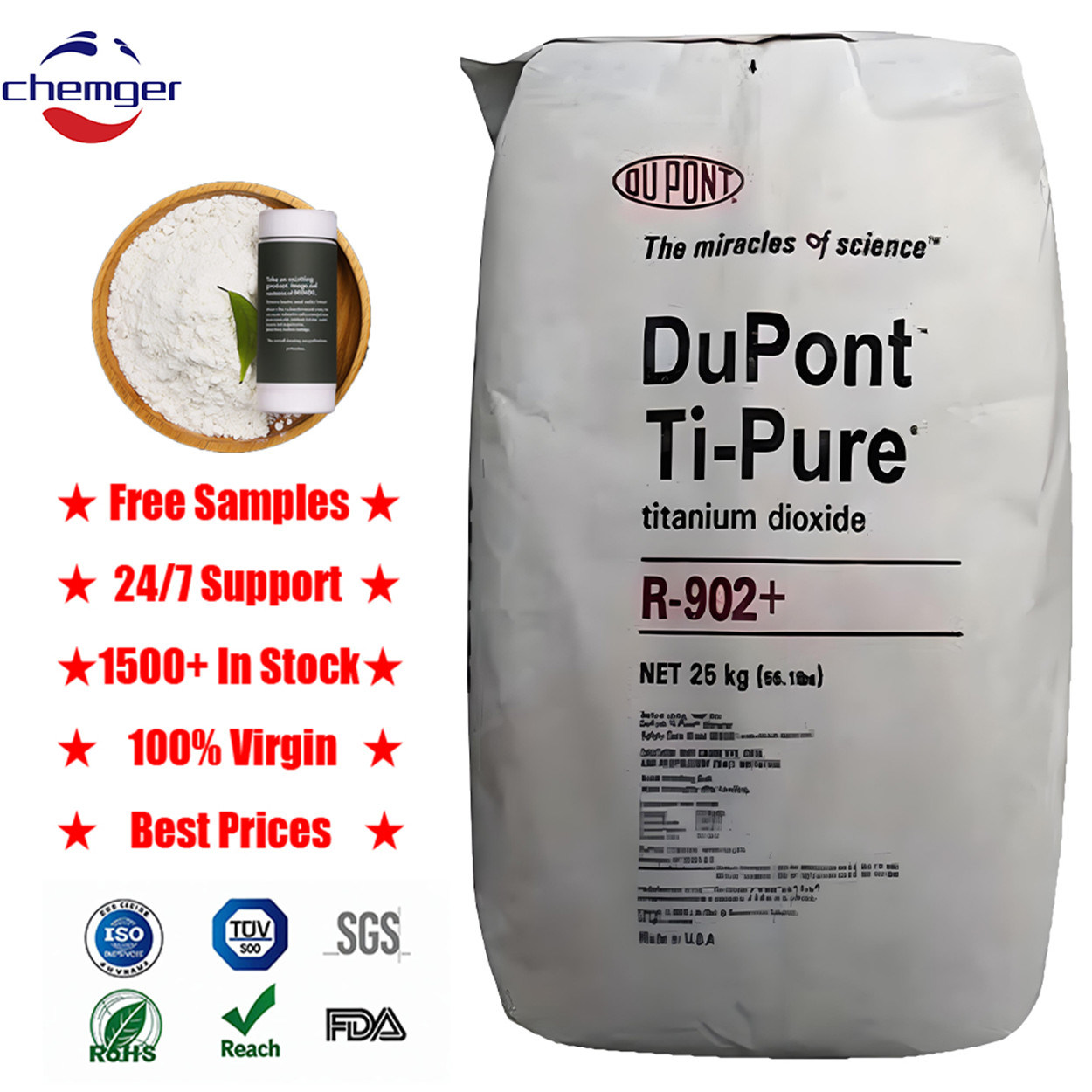
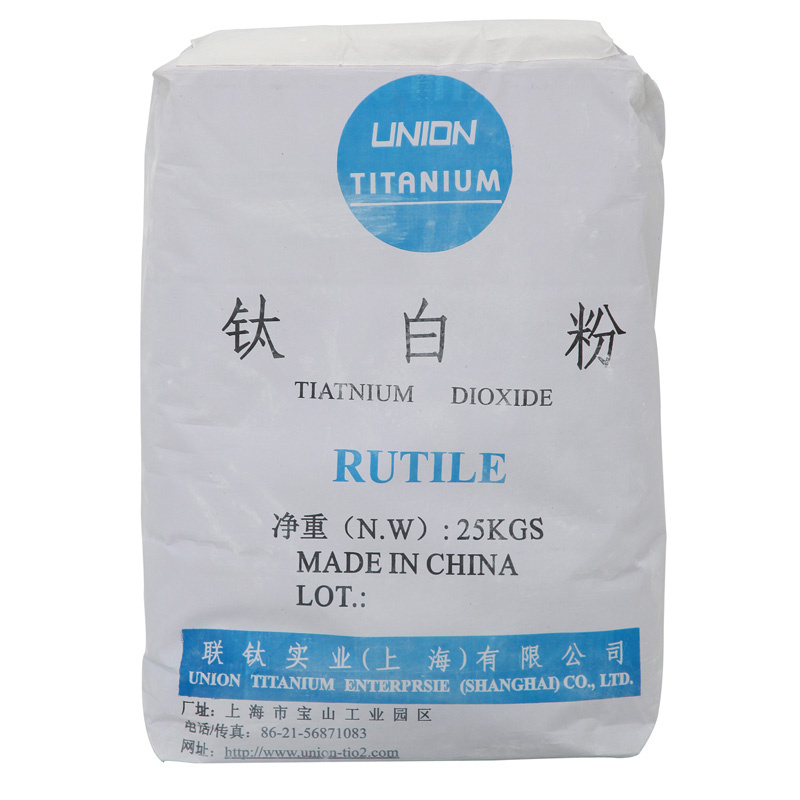
Reported standard packing: 25 kg per carton or drum
Transport package listed as carton/drum
Sample availability reported; confirm sample size, labeling and freight terms
Ask whether inner liner, moisture barrier, palletization, batch labeling and tamper-evident sealing are available
Confirm OEM/private label or special packing only after compliance and document review
Applications and sourcing options
Check whether this product fits the buyer's actual application.
Clear application, grade, package, and document notes help separate real sourcing demand from a vague price check.
Use context
Common applications
White pigment and opacity adjustment in cosmetic formulations
Coverage and adhesion support in mineral makeup applications
Whiteness and opacity contribution in coatings, inks and plastics
Pigment use in soaps and selected personal care products where permitted
Raw material distribution where batch documents and specification matching are required
How we compare
Sourcing options
Request pre-shipment sample with SDS, TDS and sample COA
Source hydrophilic or water-dispersible option for water-based systems if technically suitable
Source hydrophobic or oil-dispersible option for oil-based systems if technically suitable
Compare cosmetic-grade versus industrial-grade TiO2 depending on end market
Request 25 kg carton/drum packing or customized export packing after compliance review
Consider supplier audit, third-party inspection or pre-shipment testing for regulated applications
Human review
Compliance notes
Request current SDS, TDS, COA, specification sheet, impurity statement and allergen/heavy metal statement before RFQ approval
Confirm exact grade: cosmetic grade, industrial pigment grade, coating grade, food-contact grade, or other intended-use grade
For cosmetic or sunscreen-related use, buyer must verify local market requirements independently, including allowed use, particle size classification, labeling and any nano-material declaration obligations
Do not rely on marketplace claims such as FDA/EU/Japan compliance without reviewing supplier documentation, test reports and regulatory scope
Confirm rutile or anatase form, surface coating, treatment agents, and whether the product is pigmentary TiO2 or ultrafine/nano TiO2
Check impurity limits relevant to destination market, including Pb, As, Hg, Cd, soluble salts, moisture, oil absorption and whiteness where applicable
Confirm DG status from the latest SDS; titanium dioxide is commonly shipped as non-dangerous goods, but classification must be verified by product grade and treatment
Confirm export documents available: commercial invoice, packing list, COA, SDS, certificate of origin and any destination-specific declarations
Buyer search paths
Related sourcing terms
These terms support long-tail discovery while keeping the page focused on useful product and China export buying context.
Share target market, quantity, packaging scope, artwork status, delivery destination, and required documents so CHN Chemicals can prepare a cleaner supplier comparison.
Questions to confirm
Please confirm CAS number, TiO2 assay, rutile/anatase type and whether the grade is pigmentary, ultrafine or nano-scale.
Can you provide current SDS, TDS, COA, full specification, particle size distribution and heavy metal test report for the offered batch?
Is the product hydrophilic or hydrophobic, and what surface treatment or coating is used?
Which application grade is being quoted: cosmetic, coating, ink, plastic, paper, soap or other?
What are the controlled impurity limits for Pb, As, Hg, Cd, soluble salts, moisture and volatile matter?
Can you confirm the reported particle size of 1.0–1.7 microns and provide the test method?
What packing options are available beyond 25 kg carton/drum, and are inner liners and palletized export packing available?
What is the MOQ for sample, trial order and full container quantity?
Checks before quote
Request current SDS, TDS, COA, specification sheet, impurity statement and allergen/heavy metal statement before RFQ approval
Confirm exact grade: cosmetic grade, industrial pigment grade, coating grade, food-contact grade, or other intended-use grade
For cosmetic or sunscreen-related use, buyer must verify local market requirements independently, including allowed use, particle size classification, labeling and any nano-material declaration obligations
Do not rely on marketplace claims such as FDA/EU/Japan compliance without reviewing supplier documentation, test reports and regulatory scope
Confirm rutile or anatase form, surface coating, treatment agents, and whether the product is pigmentary TiO2 or ultrafine/nano TiO2
Check impurity limits relevant to destination market, including Pb, As, Hg, Cd, soluble salts, moisture, oil absorption and whiteness where applicable
Confirm DG status from the latest SDS; titanium dioxide is commonly shipped as non-dangerous goods, but classification must be verified by product grade and treatment
Confirm export documents available: commercial invoice, packing list, COA, SDS, certificate of origin and any destination-specific declarations
Next step
Send the product page with your target quantity and market. A sourcing manager can then confirm sample options, supplier fit, packaging details, and open document gaps.