Waterborne styrene acrylic copolymer emulsion binder candidate for interior and exterior wall paint formulations. Buyer review should focus on confirming polymer identity, CAS or substance registration basis, solids content, viscosity range, pH, Tg/MFT values, residual monomer and VOC profile, batch consistency, packing options, SDS/COA readiness, and export documentation before RFQ or sampling.
Quick buying facts
Identify the grade, package, and import market before comparing suppliers.
Use this page to check the product identity, common specification points, document scope, package notes, and destination-market questions before sending a China sourcing request.
Polymer model: HN-106Waterborne acrylic/styrene acrylic binder emulsion for architectural coatingsCandidate for RFQ with document and specification verification
Composition described as water-based styrene acrylic copolymer emulsion
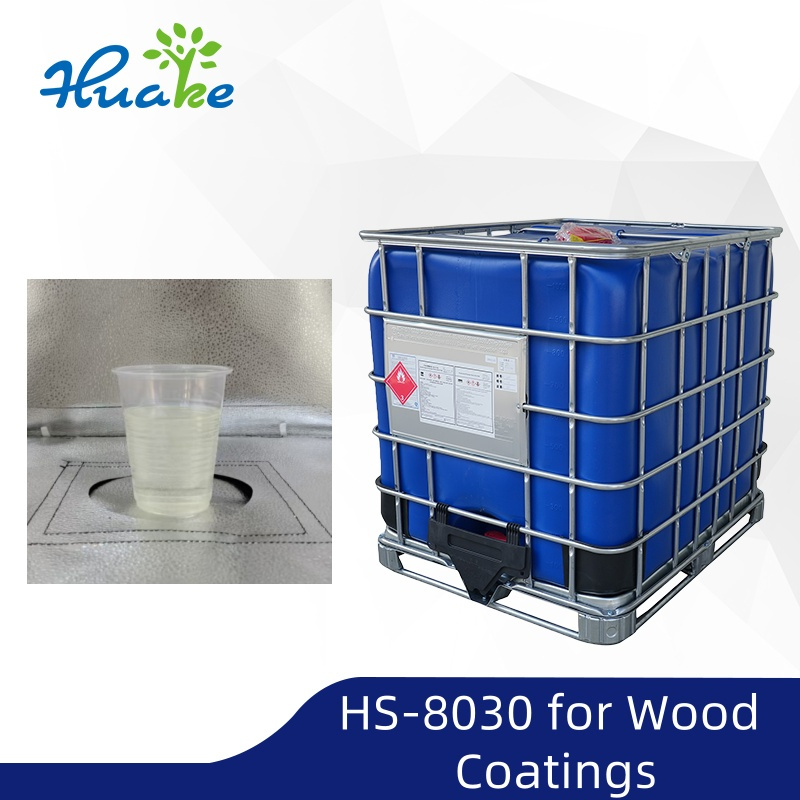
Appearance: light blue liquid
Solid content: 47% +/- 1%
Viscosity: 1000-5000 cps
pH: 7.0-8.0
Glass transition temperature Tg: 16
Minimum film formation temperature MFT: 40
Color attribute listed as white; appearance listed as light blue liquid, requiring clarification
Application focus: interior and exterior wall paints; also listed for construction, woodworking, fiber/garment, packing, sealants, adhesives, textiles, and soil stabilization
Shelf life listed as 6 months
HS code listed: 39069090
Who uses this page
Target buyers
Architectural coating manufacturers
Paint formulators sourcing waterborne binders
Private-label wall paint producers
Construction chemical manufacturers
Industrial buyers comparing acrylic emulsion suppliers in China
Distributors of coating raw materials
Before matching
Documents to check
CAS number, grade, assay, and impurity profile
SDS, COA, TDS, HS code, and transport classification
Destination-market import documents before supplier matching
Package and route
Packing notes
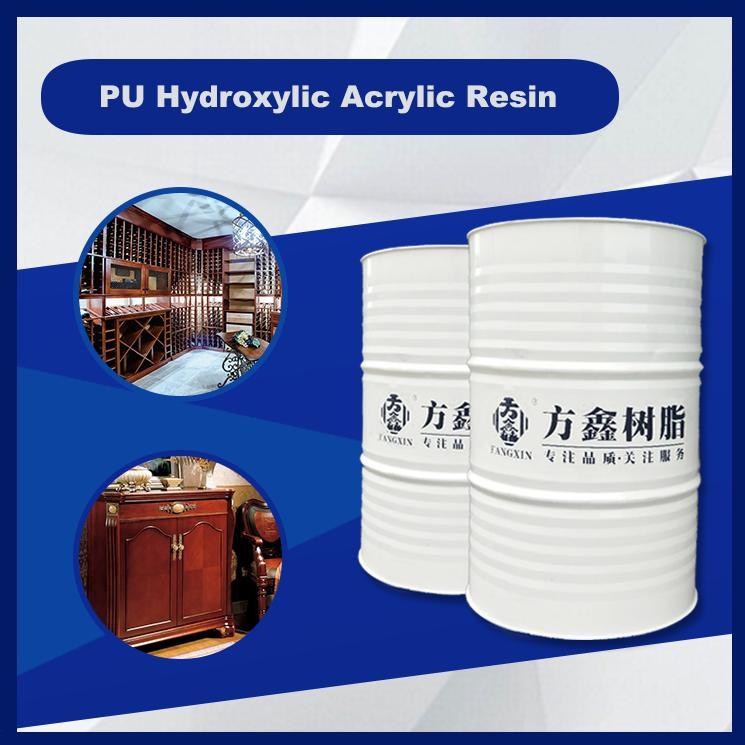
Quoted packing options include 50 kg plastic drum, 160 kg plastic drum, 200 kg plastic drum, 1000 kg IBC pallet, and 20000 kg soft packing/flexitank-type bulk packing
Confirm net weight, palletization, drum material, liner requirement, seal type, and export marking before purchase order
Request photos or specifications for export packaging and container loading plan for IBC or bulk shipment
Ask whether sample packaging differs from commercial packaging and whether retained samples are available for each production batch
Applications and sourcing options
Check whether this product fits the buyer's actual application.
Clear application, grade, package, and document notes help separate real sourcing demand from a vague price check.
Use context
Common applications
Binder candidate for interior wall paint formulations
Binder candidate for exterior wall paint formulations
Raw material evaluation for waterborne architectural coatings
Pilot-scale comparison against existing acrylic or styrene acrylic emulsion binders
Supplier qualification for coating raw material procurement
How we compare
Sourcing options
Request 0.5-1 kg sample with matching SDS, TDS, and sample COA for lab screening
Place 1-5 ton pilot order after document review and specification confirmation
Use 200 kg drums for smaller commercial lots or mixed-container sourcing
Use 1000 kg IBCs for regular production purchasing where receiving equipment supports IBC handling
Discuss 20000 kg bulk packing only after confirming stability, unloading capability, and transport classification
Human review
Compliance notes
Request current SDS, TDS, COA, ISO 9001 certificate copy, and batch-specific quality certificate before shipment
Confirm CAS or substance identification basis for the polymer emulsion, including whether the product is supplied as a mixture and which components appear on SDS Section 3
Confirm residual monomer limits, VOC content, APEO status, formaldehyde donor status, heavy metals, ammonia content, preservative/biocide package, and any listed impurities relevant to target market rules
Verify REACH, TSCA, DSL/NDSL, UK REACH, or other destination inventory status with qualified regulatory support; supplier statements should be treated as documents for review, not final legal guarantees
Check DG classification, UN number if applicable, marine pollutant status, freezing sensitivity, and transport temperature requirements with the latest SDS and carrier review
For coatings use, confirm destination-specific requirements such as VOC, restricted substances, eco-label criteria, and indoor air emission requirements where applicable
Do not rely on marketplace claims such as eco-friendly without supporting test reports or compliance declarations tied to the buyer's market
Buyer search paths
Related sourcing terms
These terms support long-tail discovery while keeping the page focused on useful product and China export buying context.
waterborne acrylic binder Chinastyrene acrylic copolymer emulsionwall paint binderarchitectural coating binderacrylic emulsion for paintwater-based paint resinHN-106 binderCAS check acrylic emulsioncoating raw material supplier ChinaHS code 39069090 acrylic polymer
Related product options
Build a broader quote package from adjacent options.
Buyers often compare neighboring grades, forms, or route options before sending one consolidated RFQ.
Share target market, quantity, packaging scope, artwork status, delivery destination, and required documents so CHN Chemicals can prepare a cleaner supplier comparison.
Questions to confirm
What is the exact polymer identity and CAS/substance registration basis shown on the current SDS?
Can you provide recent batch COA results for solids, viscosity, pH, Tg, MFT, residual monomer, VOC, and microbial control indicators?
What is the standard specification range and what are the rejection limits for export batches?
Are residual styrene, residual acrylic monomers, APEO, formaldehyde, heavy metals, ammonia, and preservatives tested routinely?
Is the product classified as dangerous goods for sea, air, or road transport under the latest SDS?
What storage temperature range and shelf-life evidence are stated in the TDS without requiring special handling claims?
Which packing sizes are available for export trial orders and full-container orders?
Can you supply SDS, TDS, COA, ISO certificate, packing list, commercial invoice, certificate of origin, and any destination-specific declarations needed for customs review?
Checks before quote
Request current SDS, TDS, COA, ISO 9001 certificate copy, and batch-specific quality certificate before shipment
Confirm CAS or substance identification basis for the polymer emulsion, including whether the product is supplied as a mixture and which components appear on SDS Section 3
Confirm residual monomer limits, VOC content, APEO status, formaldehyde donor status, heavy metals, ammonia content, preservative/biocide package, and any listed impurities relevant to target market rules
Verify REACH, TSCA, DSL/NDSL, UK REACH, or other destination inventory status with qualified regulatory support; supplier statements should be treated as documents for review, not final legal guarantees
Check DG classification, UN number if applicable, marine pollutant status, freezing sensitivity, and transport temperature requirements with the latest SDS and carrier review
For coatings use, confirm destination-specific requirements such as VOC, restricted substances, eco-label criteria, and indoor air emission requirements where applicable
Do not rely on marketplace claims such as eco-friendly without supporting test reports or compliance declarations tied to the buyer's market
Next step
Send the product page with your target quantity and market. A sourcing manager can then confirm sample options, supplier fit, packaging details, and open document gaps.