Supplier candidate for Antioxidant 1010, a hindered phenolic antioxidant used in plastics and polymer systems. Buyer review should focus on CAS confirmation, assay and effective component basis, melting point specification clarification, ash and light transmittance limits, polymer-grade suitability, export documentation, packing condition, and DG/non-DG shipping classification confirmation before RFQ or sampling.
Quick buying facts
Identify the grade, package, and import market before comparing suppliers.
Use this page to check the product identity, common specification points, document scope, package notes, and destination-market questions before sending a China sourcing request.
CAS No.: 6683-19-8; buyer should confirm against COA and SDSPlastic additive / hindered phenolic antioxidantSupplier Candidate - Requires Spec and Document Verification
CAS No.: 6683-19-8; buyer should confirm against COA and SDS
Molecular formula listed as C73H108O12; verify formatting and molecular identity in supplier documents
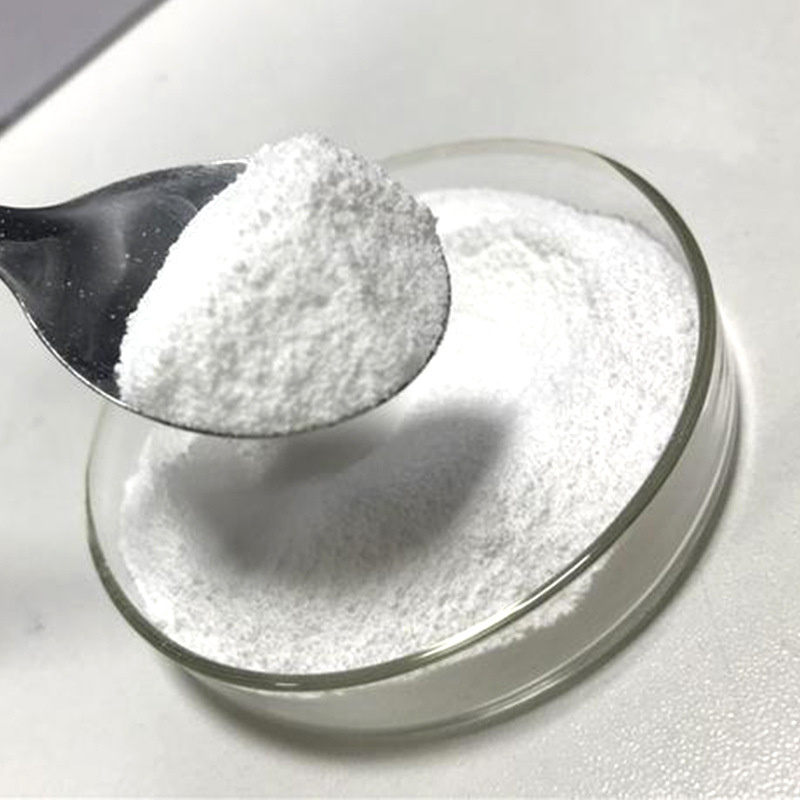
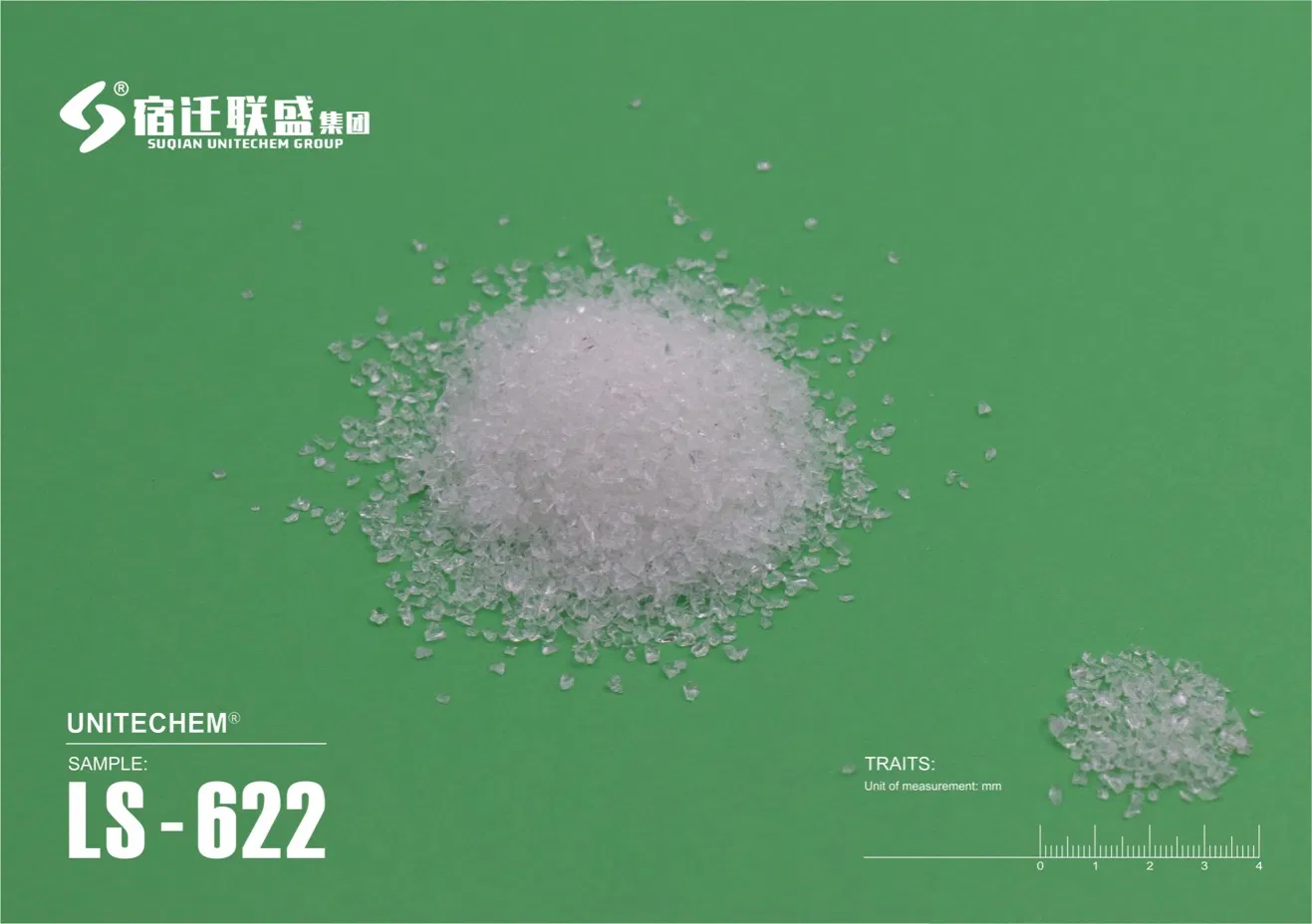
Appearance: white or light yellow powder / white powder
Main content listed as ≥94.0%; confirm assay method and whether higher-purity grades are available
Effective components listed as ≥98.0%; clarify definition and test method
Ash content listed as ≤0.50%
Solubility listed as clear; request solvent, concentration, and test conditions
Light transmittance listed as ≥96.0% at 425 nm and ≥98.0% at 500 nm; confirm unit/path length and method
Melting point field appears inconsistent in source text; request corrected melting range specification
Listed specification: 99.9; confirm whether this refers to purity, grade label, or internal specification
Who uses this page
Target buyers
Plastic compounders
Polyolefin resin processors
PVC additive distributors
Masterbatch manufacturers
Rubber and elastomer additive buyers
Polymer additive importers
Industrial chemical distributors
Procurement teams sourcing hindered phenolic antioxidants
Before matching
Documents to check
CAS number, grade, assay, and impurity profile
SDS, COA, TDS, HS code, and transport classification
Destination-market import documents before supplier matching
Package and route
Packing notes
Listed packing: 25 kg carton
Package gross weight shown as 26 kg; confirm net weight, palletization, and carton liner type
Listed loading: 16 MT per 20 ft container; verify with palletized loading plan
Request photos of commercial packing, pallet marks, batch labels, and outer carton markings
Confirm availability of sample packing and whether sample COA matches commercial batch format
Applications and sourcing options
Check whether this product fits the buyer's actual application.
Clear application, grade, package, and document notes help separate real sourcing demand from a vague price check.
Use context
Common applications
Stabilization additive for polypropylene and polyethylene processing
Antioxidant package component for engineering plastics such as ABS, PBT, polyamide, and POM
Additive candidate for synthetic rubber and polymer compounds
Industrial antioxidant candidate for natural or synthetic oils where specifications and compliance permit
Raw material sourcing comparison against existing Antioxidant 1010 suppliers
How we compare
Sourcing options
Request a specification-matched sample before commercial order
Compare at least two commercial batch COAs for consistency
Ask for factory audit documents or supplier qualification package if the material is critical
Use third-party lab verification for CAS identity, assay, ash, and application-critical impurities
Confirm DG status, HS code, and export paperwork before booking freight
Negotiate trial order quantity with retained sample and pre-shipment COA approval
Request alternative packaging such as palletized cartons if needed for import handling
Human review
Compliance notes
Request current SDS, COA, TDS, specification sheet, and export packing list before order confirmation
Confirm HS code, export declaration name, and whether the product ships as non-dangerous goods or dangerous goods under the relevant transport mode
Verify CAS 6683-19-8, EINECS 229-722-6, and product identity across SDS, COA, label, invoice, and customs documents
No regulatory approval or unrestricted import status should be assumed; buyer should check destination-country chemical inventory and additive-use requirements
For polymer, food-contact, oil, or regulated end uses, request applicable declarations only if relevant and verify independently
Confirm residual impurities, volatile matter, heavy metals if required by the buyer’s application or destination market
Supplier claims should be validated with third-party testing or pre-shipment inspection where compliance risk or application sensitivity is high
Buyer search paths
Related sourcing terms
These terms support long-tail discovery while keeping the page focused on useful product and China export buying context.
Share target market, quantity, packaging scope, artwork status, delivery destination, and required documents so CHN Chemicals can prepare a cleaner supplier comparison.
Questions to confirm
Can you provide a recent COA for Antioxidant 1010 CAS 6683-19-8 from a commercial batch?
What is the guaranteed assay specification, and which analytical method is used?
Please clarify the listed main content ≥94.0% and effective components ≥98.0%; what is the difference between these values?
What is the correct melting range specification? The source table appears inconsistent.
Can you provide limits for volatile matter, moisture, free phenol, residual solvent, heavy metals, or other application-critical impurities?
Is the material polymer-grade, industrial-grade, or another grade? Are multiple grades available?
Can you confirm whether the shipment is classified as non-DG for sea and air transport, supported by SDS or transport statement?
What are the standard Incoterms, lead time, MOQ, and sample policy for export buyers?
Checks before quote
Request current SDS, COA, TDS, specification sheet, and export packing list before order confirmation
Confirm HS code, export declaration name, and whether the product ships as non-dangerous goods or dangerous goods under the relevant transport mode
Verify CAS 6683-19-8, EINECS 229-722-6, and product identity across SDS, COA, label, invoice, and customs documents
No regulatory approval or unrestricted import status should be assumed; buyer should check destination-country chemical inventory and additive-use requirements
For polymer, food-contact, oil, or regulated end uses, request applicable declarations only if relevant and verify independently
Confirm residual impurities, volatile matter, heavy metals if required by the buyer’s application or destination market
Supplier claims should be validated with third-party testing or pre-shipment inspection where compliance risk or application sensitivity is high
Next step
Send the product page with your target quantity and market. A sourcing manager can then confirm sample options, supplier fit, packaging details, and open document gaps.