Chlorinated Polyethylene CPE Processing Aid / Impact Modifier for PVC Pipe Applications
Public sourcing candidate for overseas buyers seeking a PVC impact modifier or processing aid supplied as white powder. The source listing uses mixed terminology including ACR, acrylic polymers, CPE, and chlorinated polyethylene, so buyers should verify the exact chemical identity, CAS number, chlorine content, polymer grade, and intended PVC pipe formulation fit before RFQ or sampling.
Quick buying facts
Identify the grade, package, and import market before comparing suppliers.
Use this page to check the product identity, common specification points, document scope, package notes, and destination-market questions before sending a China sourcing request.
CAS No. listed: 63231-66-3; buyer should confirm whether this corresponds to the offered chlorinated polyethylene gradePolymer additive / PVC impact modifier / processing aid candidateNeeds identity and specification verification before buyer RFQ
CAS No. listed: 63231-66-3; buyer should confirm whether this corresponds to the offered chlorinated polyethylene grade
Product identity on source page: Chlorinated Polyethylene CPE plasticizer powder; raw title references ACR acrylic polymers, creating an identity mismatch to clarify
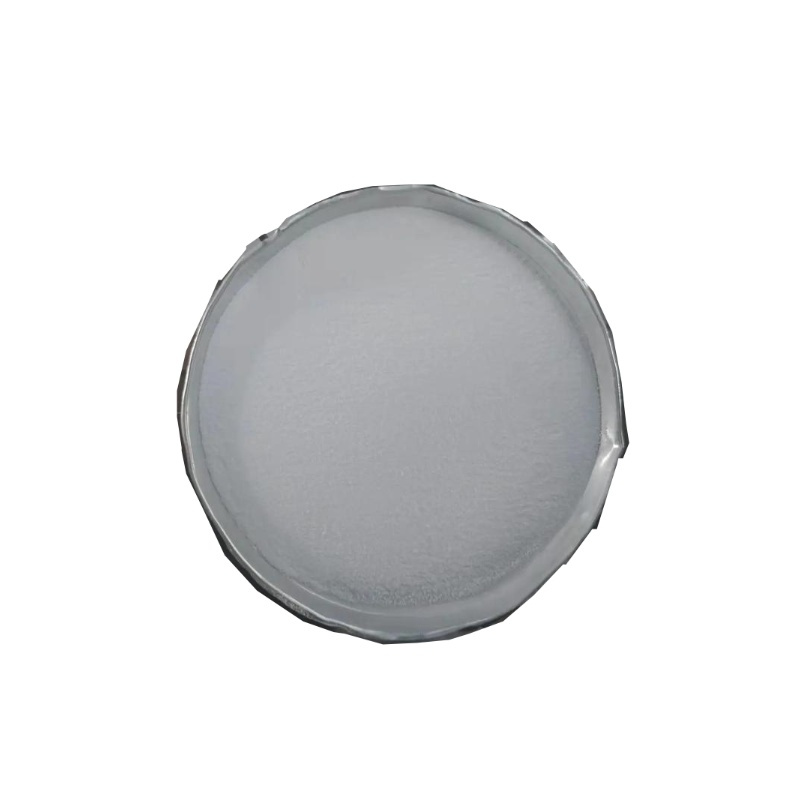
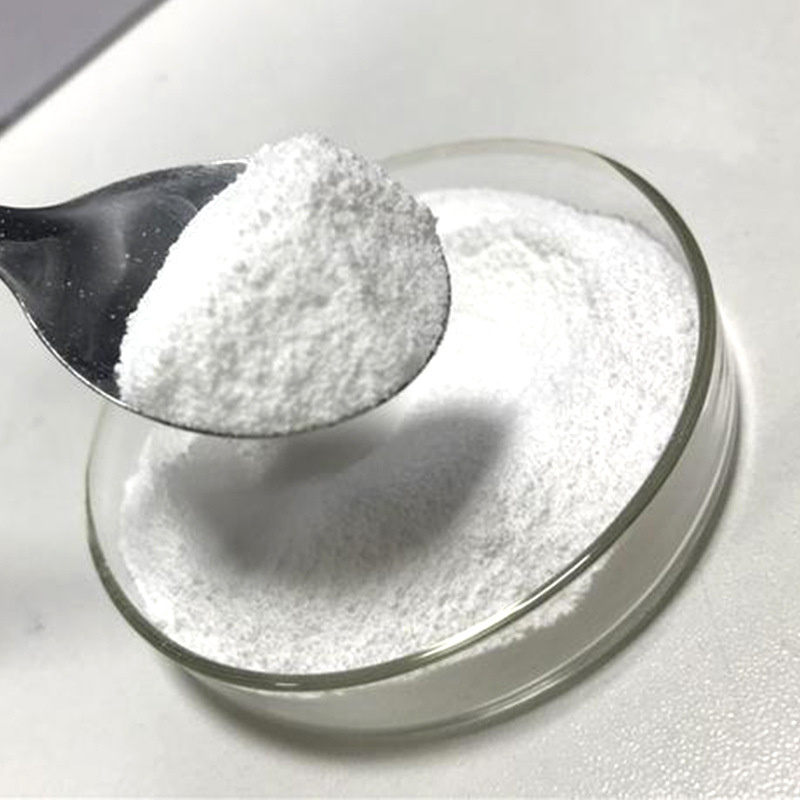
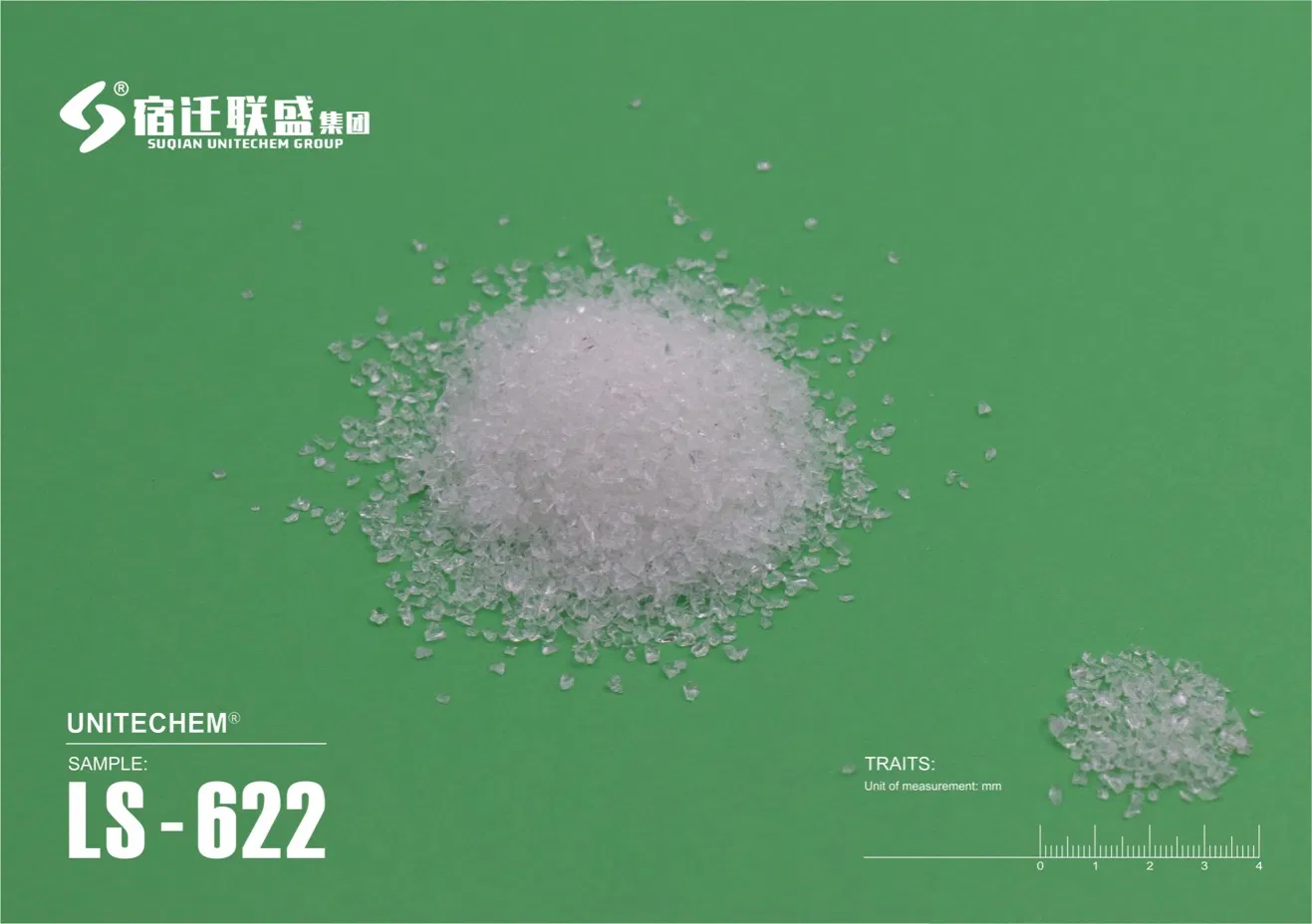
Appearance: white powder
Chlorine content: 35±2% listed
Thermal decomposition temperature: ≥165°C listed
Bulk density: ≥0.50 g/ml listed
Volatile matter: ≤0.50% listed
Particle size: 20 mesh passing rate ≥99% listed
Foreign particles: ≤10 per 50 g listed
Shore hardness: ≤65 listed
Tensile strength: ≥6.0 MPa listed
Purity claim: 99% minimum listed; buyer should request test method and relevance for polymer additive grade
SDS, COA, TDS, HS code, and transport classification
Destination-market import documents before supplier matching
Package and route
Packing notes
Listed transport package: 25 kg bag
Confirm bag construction, palletization, liner type, moisture protection, and container loading quantity
Request export marking details including product name, batch number, net weight, gross weight, origin, and any required transport labels
Ask whether samples, trial lots, and full-container shipments are available from the same production grade
Applications and sourcing options
Check whether this product fits the buyer's actual application.
Clear application, grade, package, and document notes help separate real sourcing demand from a vague price check.
Use context
Common applications
Impact modification candidate for rigid PVC pipe compounds
Weathering and aging-resistance improvement candidate for PVC products
Polymer additive candidate for PVC profiles, fittings, and related rigid products
Modifier candidate for ABS or cable applications only after grade-specific formulation validation
Distributor stock item for plastics and rubber additive portfolios
How we compare
Sourcing options
Request pre-shipment sample with COA matched to the exact batch
Start with a trial order after identity and specification confirmation
Ask for OEM grade code matching, if replacing an existing CPE or ACR additive
Compare at least two supplier lots for chlorine content, volatiles, particle size, and processing performance
Use third-party inspection for bag count, labeling, sampling, and COA verification before container loading
Human review
Compliance notes
Request COA for each batch with chlorine content, volatile matter, bulk density, particle size, and thermal decomposition temperature
Request SDS in buyer-required language and latest GHS classification before shipment
Confirm HS code; source page lists 3812200000, but buyer should verify with local broker based on confirmed chemical identity and use
Clarify whether the product is CPE, ACR, or another PVC additive before import classification, documentation, or formulation approval
Ask for TDS, specification sheet, manufacturing origin, shelf-life statement, and storage-condition statement
Confirm DG status for ocean/air transport with SDS and carrier review; do not rely on marketplace text alone
Check destination-country polymer/additive inventory status and any PVC, cable, construction, or pipe-sector documentation needs with local compliance counsel
Buyer search paths
Related sourcing terms
These terms support long-tail discovery while keeping the page focused on useful product and China export buying context.
Share target market, quantity, packaging scope, artwork status, delivery destination, and required documents so CHN Chemicals can prepare a cleaner supplier comparison.
Questions to confirm
Is the offered product chlorinated polyethylene CPE or acrylic processing aid ACR? Please confirm product name, CAS number, and grade code.
Can you provide COA, TDS, SDS, and a recent third-party test report for the same grade?
What is the standard chlorine content range and acceptable batch-to-batch tolerance?
Which PVC pipe formulations or processing methods is this grade typically supplied for, and what reference dosage range is stated in the TDS?
What impurities or quality indicators are controlled beyond volatile matter and foreign particles?
Is the listed 99% purity applicable to this polymer grade, and what analytical method supports it?
What is the MOQ for sample, trial order, pallet order, and FCL order?
What packaging options are available for export shipment, and can pallets be fumigation-free?
Checks before quote
Request COA for each batch with chlorine content, volatile matter, bulk density, particle size, and thermal decomposition temperature
Request SDS in buyer-required language and latest GHS classification before shipment
Confirm HS code; source page lists 3812200000, but buyer should verify with local broker based on confirmed chemical identity and use
Clarify whether the product is CPE, ACR, or another PVC additive before import classification, documentation, or formulation approval
Ask for TDS, specification sheet, manufacturing origin, shelf-life statement, and storage-condition statement
Confirm DG status for ocean/air transport with SDS and carrier review; do not rely on marketplace text alone
Check destination-country polymer/additive inventory status and any PVC, cable, construction, or pipe-sector documentation needs with local compliance counsel
Next step
Send the product page with your target quantity and market. A sourcing manager can then confirm sample options, supplier fit, packaging details, and open document gaps.