Cationic Polyacrylamide PAM Powder, CAS 9003-05-8, for Industrial Water and Papermaking Applications
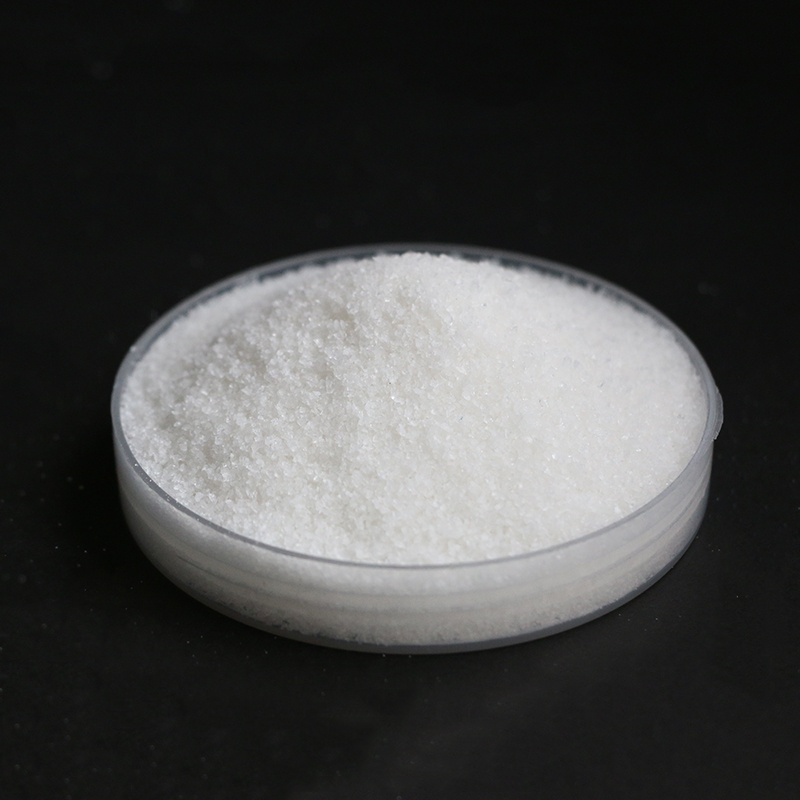
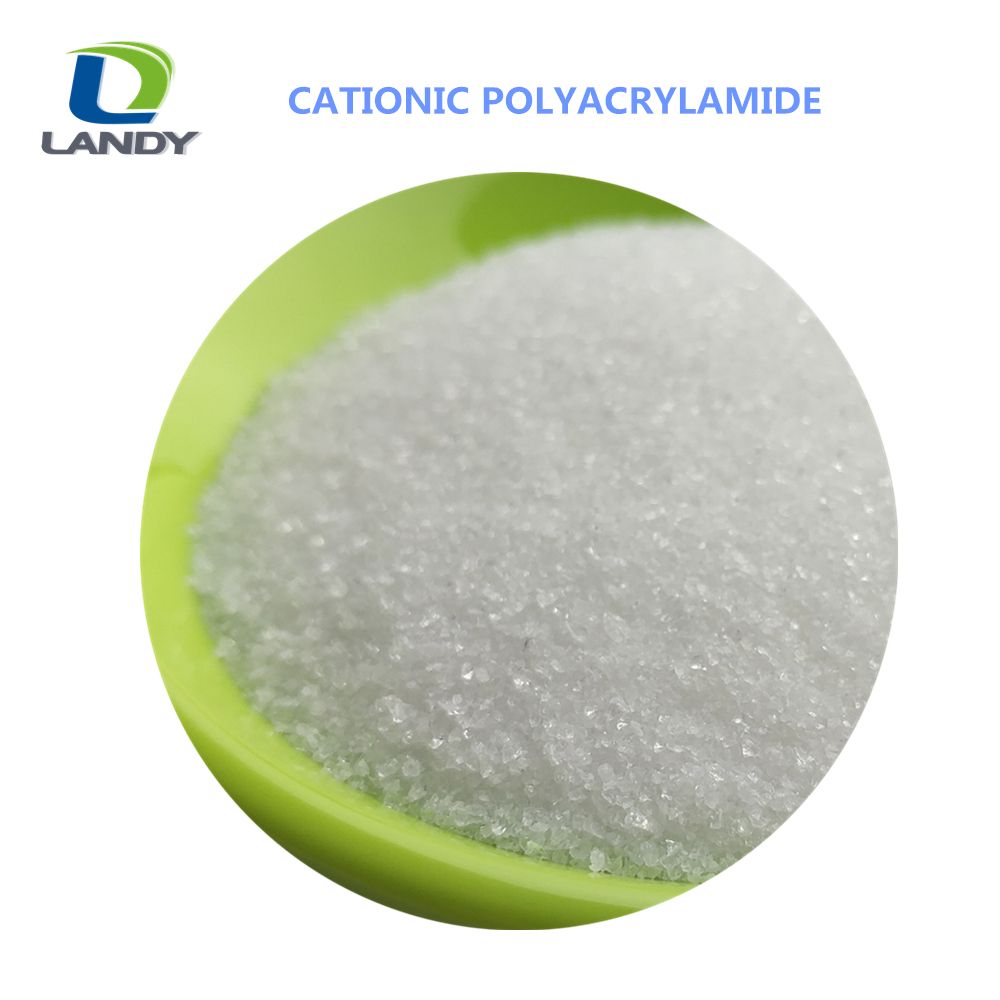
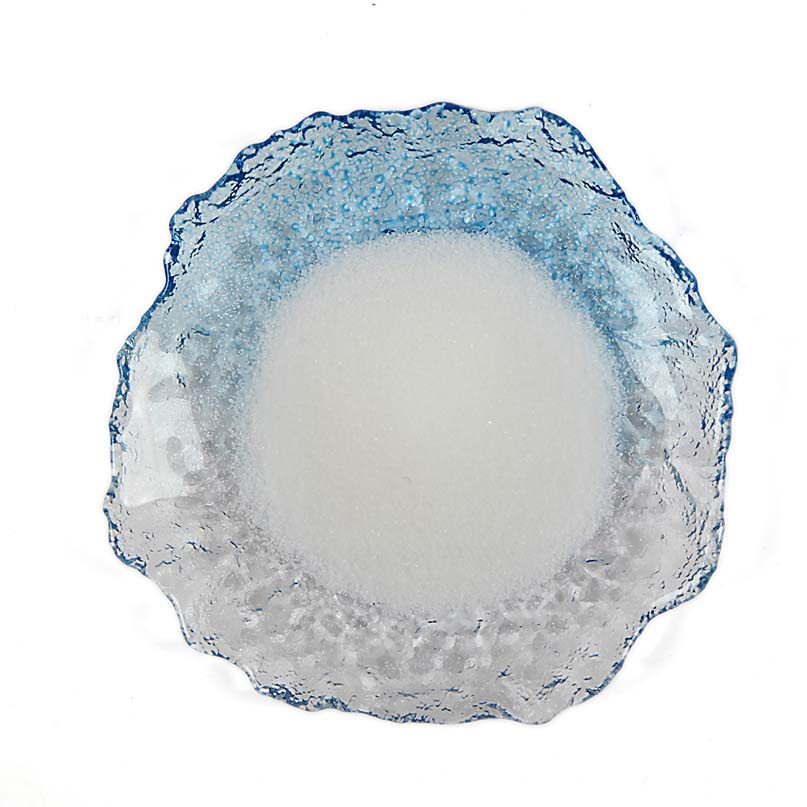
Candidate sourcing page for cationic polyacrylamide PAM powder supplied as a white granular/powder polymer for industrial wastewater, papermaking, sludge dewatering, mining, and related flocculation applications. Overseas buyers should confirm CAS 9003-05-8, ionic type, molecular weight range, charge density, residual monomer limits, particle size, moisture/solid content, and export documentation before RFQ.
Quick buying facts
Identify the grade, package, and import market before comparing suppliers.
Use this page to check the product identity, common specification points, document scope, package notes, and destination-market questions before sending a China sourcing request.
CAS No.: 9003-05-8Water treatment polymer / cationic polyacrylamide flocculantRFQ-ready with specification verification required
Sludge dewatering programs in dyeing, food processing, construction, and mineral processing sectors
Coal washing, mining, and tailings clarification where polymer grade selection is validated by jar testing
Distributor stock item for water treatment polymer RFQs
How we compare
Sourcing options
Standard 25 kg bag export supply
Trial sample or small pilot lot before bulk procurement
Specification-matched CPAM grade by molecular weight and charge density
Private label or customized export bag marking subject to supplier confirmation
Bulk purchase by tonnage with FOB, CFR, or CIF quotation request
Third-party inspection and COA verification prior to shipment
Human review
Compliance notes
Confirm CAS 9003-05-8 and product classification as polyacrylamide polymer on SDS, COA, commercial invoice, and packing list
Verify whether the listed EINECS number is appropriate for the polymer grade, as polymer listings may differ from monomer references
Request residual acrylamide monomer limit and test method; this is a key impurity point for PAM procurement
Request full COA showing solid content, molecular weight range, cationic degree or charge density, moisture, insolubles, pH range, particle size, and residual monomer
Request SDS in English and destination-market format where available
Confirm DG/non-DG transport classification with current SDS and carrier requirements before shipment
For Nigeria or other overseas destinations, confirm import documentation requirements, HS code usage, labeling language, and any local water-treatment chemical registration needs with the importer or broker
No regulatory approval, end-use suitability, or import clearance should be assumed from marketplace listing information alone
Buyer search paths
Related sourcing terms
These terms support long-tail discovery while keeping the page focused on useful product and China export buying context.
polyacrylamide PAM supplier for Nigeriacationic polyacrylamide CAS 9003-05-8CPAM powder water treatmentPAM flocculant for papermakingpolyacrylamide wastewater treatment chemicalcationic PAM sludge dewateringindustrial flocculant supplier ChinaPAM 25kg bag export
Related product options
Build a broader quote package from adjacent options.
Buyers often compare neighboring grades, forms, or route options before sending one consolidated RFQ.
Share target market, quantity, packaging scope, artwork status, delivery destination, and required documents so CHN Chemicals can prepare a cleaner supplier comparison.
Questions to confirm
Is the offered grade CPAM-84, and what are the exact COA limits for molecular weight and cationic degree?
What is the residual acrylamide monomer specification in ppm or mg/kg, and which test method is used?
Can you provide recent batch COA, SDS, TDS, and export packing photos before order confirmation?
Is the material strictly cationic PAM, or can the same listing supply anionic and nonionic PAM grades?
What particle size distribution is supplied for the 20-80 mesh range?
What is the moisture content or solid content guaranteed at shipment?
What is the minimum order quantity for Nigeria shipment, and what is the lead time for 1 ton, 5 tons, and full-container orders?
Can you quote FOB, CFR, or CIF terms to the buyer's nominated Nigerian port?
Checks before quote
Confirm CAS 9003-05-8 and product classification as polyacrylamide polymer on SDS, COA, commercial invoice, and packing list
Verify whether the listed EINECS number is appropriate for the polymer grade, as polymer listings may differ from monomer references
Request residual acrylamide monomer limit and test method; this is a key impurity point for PAM procurement
Request full COA showing solid content, molecular weight range, cationic degree or charge density, moisture, insolubles, pH range, particle size, and residual monomer
Request SDS in English and destination-market format where available
Confirm DG/non-DG transport classification with current SDS and carrier requirements before shipment
For Nigeria or other overseas destinations, confirm import documentation requirements, HS code usage, labeling language, and any local water-treatment chemical registration needs with the importer or broker
No regulatory approval, end-use suitability, or import clearance should be assumed from marketplace listing information alone
Next step
Send the product page with your target quantity and market. A sourcing manager can then confirm sample options, supplier fit, packaging details, and open document gaps.