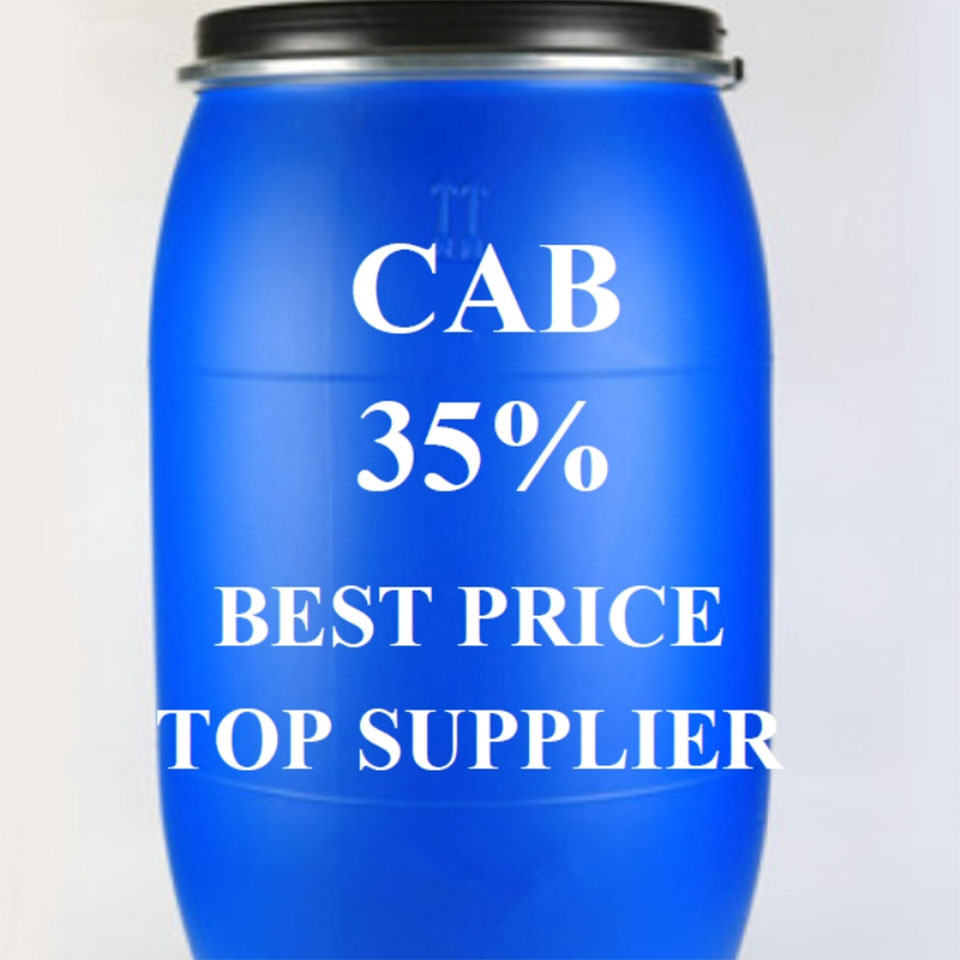
Cocamidopropyl Betaine 35% CAS 61789-40-0 for Export Sourcing
Buyer-facing candidate profile for Cocamidopropyl Betaine 35%, CAS 61789-40-0, offered as an amphoteric surfactant liquid for personal care, household cleaning, industrial cleaning, textile, and formulation use. Overseas buyers should confirm CAS identity, active matter basis, appearance, pH range, impurity profile, packing mode, export documents, and whether flexitank, drum, or IBC shipment is suitable for the destination route.
Quick buying facts
Identify the grade, package, and import market before comparing suppliers.
Use this page to check the product identity, common specification points, document scope, package notes, and destination-market questions before sending a China sourcing request.
CAS No.: 61789-40-0Amphoteric surfactant / Cocamidopropyl Betaine 35% aqueous solutionCandidate for RFQ after CAS, grade, packing, and export document verification
Appearance stated: colorless and odorless liquid; source page also lists white liquid, requiring confirmation
pH / acid-base property stated: 5-7
HS Code stated: 340249
Origin stated: China
Compatibility claim: anionic, cationic, and non-ionic surfactants; verify in buyer formulation testing
Application areas stated: personal care, household cleaning, industrial cleaners, textile processing agents, emulsifiers
Who uses this page
Target buyers
Detergent and cleaning product manufacturers
Personal care raw material importers
Shampoo, body wash, hand soap, and facial cleanser formulators
Industrial and institutional cleaner producers
Textile auxiliary distributors
Chemical trading companies handling surfactant imports
Flexitank chemical logistics buyers sourcing bulk liquid surfactants
Before matching
Documents to check
CAS number, grade, assay, and impurity profile
SDS, COA, TDS, HS code, and transport classification
Destination-market import documents before supplier matching
Package and route
Packing notes
Packing options stated: flexitank, drum, or IBC
Confirm net weight per drum or IBC, flexitank volume, palletization, and container loading plan
Source FAQ also mentions 25 kg bag/carton, which conflicts with liquid CAB 35%; request current packing confirmation in the proforma invoice and COA
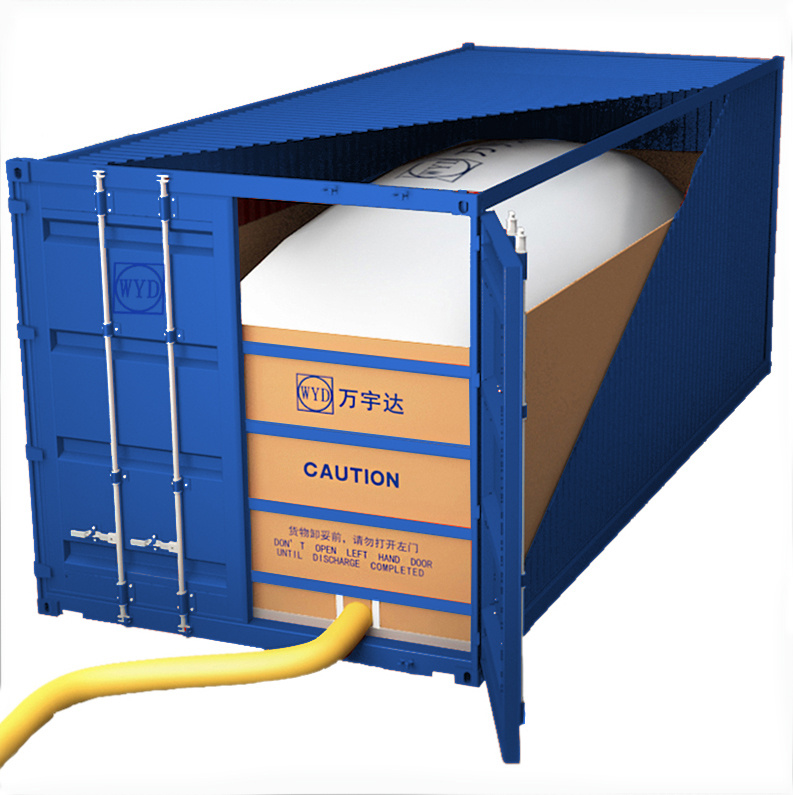
For flexitank export, confirm liner compatibility, loading temperature limits, free-flowing status, and discharge requirements with the logistics provider
Request photos of actual packaging, label template, batch number format, and seal number process before shipment
Applications and sourcing options
Check whether this product fits the buyer's actual application.
Clear application, grade, package, and document notes help separate real sourcing demand from a vague price check.
Use context
Common applications
Raw material sourcing for mild amphoteric surfactant systems
Foaming and viscosity-support surfactant component for cleansing formulations
Household cleaning and dishwashing liquid formulation ingredient
Industrial cleaner and textile processing auxiliary procurement
Bulk liquid surfactant import by drum, IBC, or flexitank subject to route and compliance checks
How we compare
Sourcing options
Request sample with matching COA before commercial order
Compare drum, IBC, and flexitank economics by landed cost, handling capability, and import route
Use third-party inspection for appearance, active matter, packing condition, and container loading supervision
Ask for buyer-specific specification agreement before issuing purchase order
Confirm whether supplier can support neutral branding, destination label requirements, and document legalization where needed
Human review
Compliance notes
Request current COA, SDS, TDS, commercial invoice, packing list, certificate of origin, and export declaration details
Confirm whether the product is classified as dangerous goods for the intended shipping lane and destination jurisdiction
Verify destination-country chemical inventory status and any buyer-side registration or notification obligations before import
Ask supplier to state transport classification, UN number if applicable, hazard labels if applicable, and marine pollutant status based on the current SDS
Check personal care or detergent end-use requirements separately; supplier claims should not be treated as regulatory approval
Confirm impurity limits relevant to buyer specifications, including free amine, sodium chloride, active matter, solids, color, odor, and microbial indicators where applicable
Do not rely on marketplace badge claims as product compliance evidence; request batch-specific and document-backed confirmation
Buyer search paths
Related sourcing terms
These terms support long-tail discovery while keeping the page focused on useful product and China export buying context.
CAS 61789-40-0Cocamidopropyl Betaine 35%CAB 35%amphoteric surfactantsurfactant flexitank exportliquid surfactant IBCdetergent raw materialpersonal care surfactantHS Code 340249chemical export China
Related packing and logistics options
Build a broader quote package from adjacent options.
Buyers often compare neighboring grades, forms, or route options before sending one consolidated RFQ.
Share target market, quantity, packaging scope, artwork status, delivery destination, and required documents so CHN Chemicals can prepare a cleaner supplier comparison.
Questions to confirm
Can you provide a recent COA for CAB 35% showing active matter, pH, sodium chloride, free amine, solids, color, odor, and appearance?
Is the CAS 61789-40-0 identity consistent across SDS, TDS, COA, invoice, label, and export documents?
What is the exact grade offered: technical, industrial, cosmetic, detergent, or another internal grade?
What impurity limits do you control for personal care or detergent buyers, and are they batch-tested?
Is the product supplied as a 35% aqueous solution, and what is the tolerance range for active content?
Which packing is available for export now: flexitank, drum, IBC, or smaller packs?
For flexitank shipment, what is the recommended container size, loading quantity, liner type, and prior cargo restriction policy?
Can you provide current SDS with transport classification and destination-language documentation if required?
Checks before quote
Request current COA, SDS, TDS, commercial invoice, packing list, certificate of origin, and export declaration details
Confirm whether the product is classified as dangerous goods for the intended shipping lane and destination jurisdiction
Verify destination-country chemical inventory status and any buyer-side registration or notification obligations before import
Ask supplier to state transport classification, UN number if applicable, hazard labels if applicable, and marine pollutant status based on the current SDS
Check personal care or detergent end-use requirements separately; supplier claims should not be treated as regulatory approval
Confirm impurity limits relevant to buyer specifications, including free amine, sodium chloride, active matter, solids, color, odor, and microbial indicators where applicable
Do not rely on marketplace badge claims as product compliance evidence; request batch-specific and document-backed confirmation
Next step
Send the product page with your target quantity and market. A sourcing manager can then confirm sample options, supplier fit, packaging details, and open document gaps.