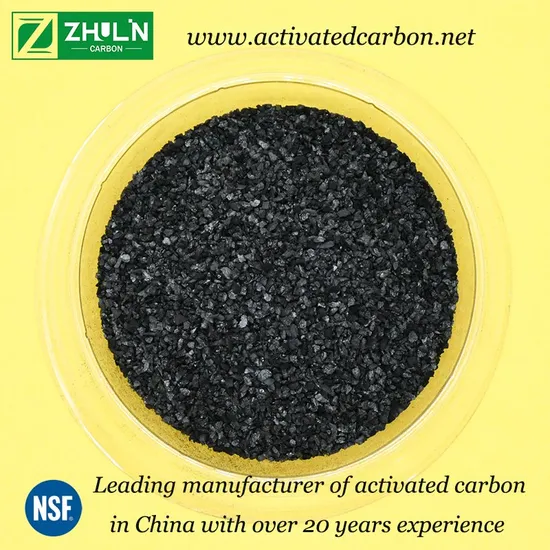
Buyer-facing sourcing profile for steam activated carbon pellets produced from coconut shell and/or coal feedstock. Suitable RFQs should verify raw material basis, pellet diameter, CTC or iodine value, moisture, ash, hardness, particle size distribution, impregnation status, packing format, export documents, and dangerous-goods classification before order confirmation.
Quick buying facts
Identify the grade, package, and import market before comparing suppliers.
Use this page to check the product identity, common specification points, document scope, package notes, and destination-market questions before sending a China sourcing request.
Raw material basis: coconut shell, coal, or blended source to be confirmed by supplierActivated carbon; coconut shell / coal-based steam activated carbon pelletsRFQ-ready with specification and transport-classification verification
Application match should be checked against gas purification, water treatment, solvent recovery, or industrial adsorption requirements
Who uses this page
Target buyers
Industrial water treatment chemical distributors in Kenya
Gas purification and VOC control equipment suppliers
Solvent recovery system operators
Mining, oilfield, and industrial auxiliary chemical buyers
Environmental service companies sourcing adsorption media
Importers requiring pellet activated carbon in export-ready packing
Before matching
Documents to check
CAS number, grade, assay, and impurity profile
SDS, COA, TDS, HS code, and transport classification
Destination-market import documents before supplier matching
Package and route
Packing notes
Source lists 25 kg PE/paper bags, 500 kg ton bags, 600 kg ton bags, and customized packaging
Confirm inner liner, moisture barrier, palletization, container loading plan, and whether bags are export seaworthy
For Kenya import planning, request gross/net weight, dimensions, marks, batch labels, and packing photos before shipment
Ask whether samples are available in the same grade and diameter as bulk shipment
Confirm if impregnated grades require different packaging, labeling, or segregation from standard activated carbon
Applications and sourcing options
Check whether this product fits the buyer's actual application.
Clear application, grade, package, and document notes help separate real sourcing demand from a vague price check.
Use context
Common applications
Industrial gas adsorption and purification where pellet diameter and CTC value are specified
General industrial water treatment applications subject to buyer validation
Solvent vapor recovery systems requiring defined CTC adsorption performance
Air filtration media supply where hardness, dust, and particle size consistency are important
Industrial auxiliary chemical supply programs requiring export packing and document readiness
How we compare
Sourcing options
Standard non-impregnated pellet activated carbon with specified diameter and CTC grade
High-CTC pellet activated carbon such as CTC 80 or CTC 90 subject to COA verification
Coconut shell-based grade where renewable feedstock preference is required
Coal-based grade where cost and availability are primary purchasing factors
Customized packing in 25 kg bags or 500–600 kg jumbo bags
Impregnated activated carbon only when the buyer provides clear chemical, performance, and documentation requirements
Human review
Compliance notes
Request COA, SDS, commercial invoice, packing list, certificate of origin, and any applicable inspection documents before shipment
Confirm HS code proposal and local Kenya import requirements with buyer’s broker; do not rely on marketplace category alone
Activated carbon may be treated differently for transport depending on condition, moisture, heat history, and classification; confirm DG/non-DG status with current SDS and carrier acceptance
If classified as dangerous goods, request UN number, hazard class, packing group, labels, and compliant export packing documents
For impregnated products such as KI, KOH, or NaOH-treated carbon, confirm exact impregnation chemical, loading level, residual alkalinity, SDS, and transport labeling
For water treatment or food-contact-adjacent uses, request applicable performance data and local regulatory suitability documents from supplier; final acceptance should be verified by the importer/end user
Do not assume the product is suitable for potable water, pharmaceutical, food, or medical applications without application-specific testing and documentation
Buyer search paths
Related sourcing terms
These terms support long-tail discovery while keeping the page focused on useful product and China export buying context.
Share target market, quantity, packaging scope, artwork status, delivery destination, and required documents so CHN Chemicals can prepare a cleaner supplier comparison.
Questions to confirm
Is the quoted product coconut shell-based, coal-based, or a blend, and can this be stated on the COA?
What pellet diameter is available for the target order: 0.9 mm, 1.5 mm, 2 mm, 3 mm, 4 mm, 6 mm, or 8 mm?
What are the guaranteed values for CTC, iodine value, moisture, ash, hardness, bulk density, pH, and fines?
Which test standards are used for CTC and iodine value, and can recent third-party test reports be provided?
Is the grade non-impregnated or impregnated with KI, KOH, NaOH, or another chemical?
What is the MOQ for Kenya shipment, and can the supplier support mixed diameters or grades in one container?
What packaging is recommended for ocean freight to Kenya: 25 kg bags or 500–600 kg jumbo bags?
Can the supplier provide SDS, COA, certificate of origin, packing list, invoice, and DG/non-DG transport declaration before shipment?
Checks before quote
Request COA, SDS, commercial invoice, packing list, certificate of origin, and any applicable inspection documents before shipment
Confirm HS code proposal and local Kenya import requirements with buyer’s broker; do not rely on marketplace category alone
Activated carbon may be treated differently for transport depending on condition, moisture, heat history, and classification; confirm DG/non-DG status with current SDS and carrier acceptance
If classified as dangerous goods, request UN number, hazard class, packing group, labels, and compliant export packing documents
For impregnated products such as KI, KOH, or NaOH-treated carbon, confirm exact impregnation chemical, loading level, residual alkalinity, SDS, and transport labeling
For water treatment or food-contact-adjacent uses, request applicable performance data and local regulatory suitability documents from supplier; final acceptance should be verified by the importer/end user
Do not assume the product is suitable for potable water, pharmaceutical, food, or medical applications without application-specific testing and documentation
Next step
Send the product page with your target quantity and market. A sourcing manager can then confirm sample options, supplier fit, packaging details, and open document gaps.