Food Grade Propylene Glycol MPG Supplier, CAS 57-55-6
Propylene glycol MPG candidate for overseas buyers checking CAS 57-55-6 supply in food grade, USP/FCC or related specification formats. Buyer review should focus on current COA values, grade alignment, heavy metals limits, moisture or loss-on-drying data, packing configuration, export documents, and destination-market acceptance before RFQ confirmation.
Quick buying facts
Identify the grade, package, and import market before comparing suppliers.
Use this page to check the product identity, common specification points, document scope, package notes, and destination-market questions before sending a China sourcing request.
CAS No.: 57-55-6Propylene glycol / MPG / 1,2-propanediolCandidate for RFQ with COA and document verification
Loss on drying: <=0.2% for USP reference, <=0.5% for industrial reference
pH, 1% solution: 6.0-7.5
Heavy metals as Pb: 5 ppm for USP/FCC reference, <=10 ppm for industrial reference
Solubility: miscible with water, ethanol, acetone, and chloroform
Density reference: about 1.036 g/cm3 at 25 C
Who uses this page
Target buyers
Food ingredient distributors
Flavor and fragrance ingredient buyers
Beverage and food processing procurement teams
Pharmaceutical or excipient buyers requiring document pre-checks
Cosmetics and personal care raw material importers
Industrial chemical distributors sourcing MPG in drum or IBC lots
Before matching
Documents to check
CAS number, grade, assay, and impurity profile
SDS, COA, TDS, HS code, and transport classification
Destination-market import documents before supplier matching
Package and route
Packing notes
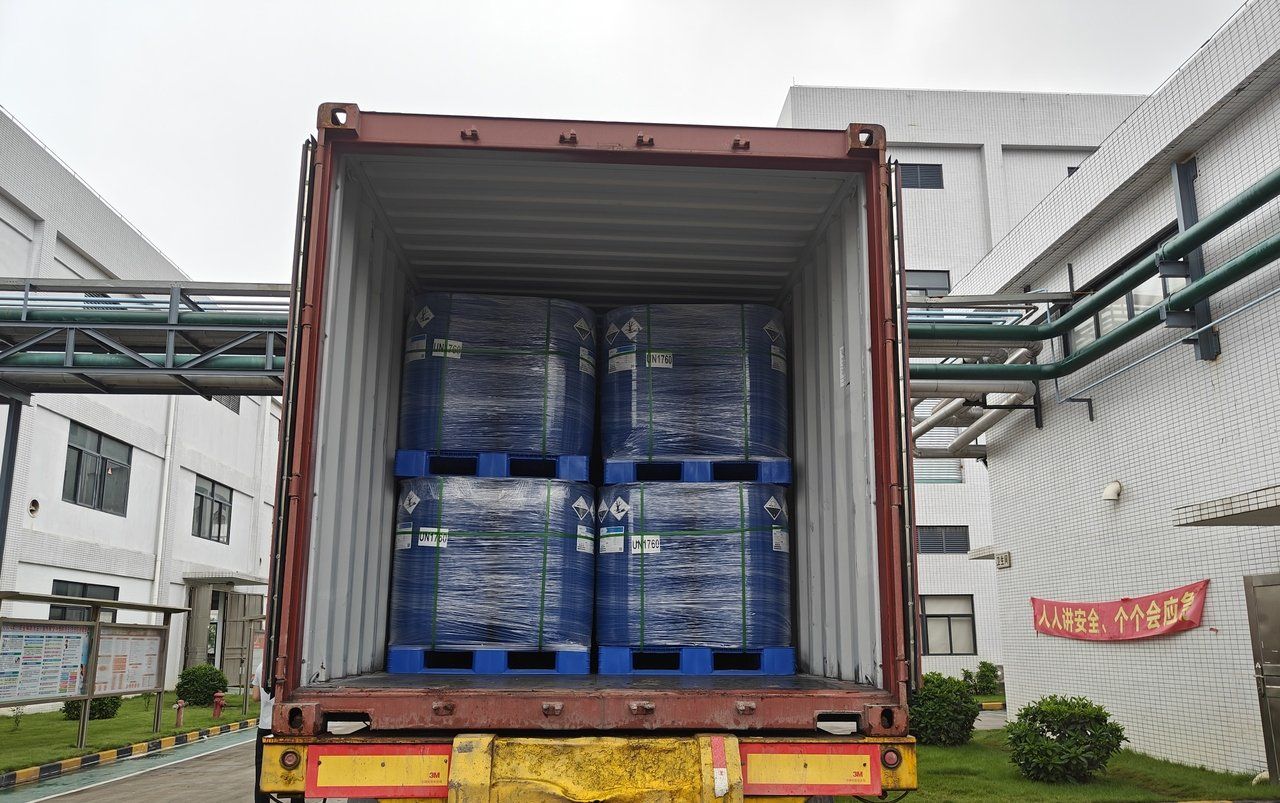
Quoted packing includes 215 kg HDPE drum.
Quoted container loading reference: 80 drums per 20 ft FCL.
1000 kg IBC packing is also referenced.
Confirm palletization, drum net/gross weight, seal type, lot marking, and container stuffing photos before shipment.
For food grade orders, confirm whether inner cleanliness, food-contact packing declaration, and tamper-evident sealing can be documented.
Applications and sourcing options
Check whether this product fits the buyer's actual application.
Clear application, grade, package, and document notes help separate real sourcing demand from a vague price check.
Use context
Common applications
Humectant or solvent applications where food-grade propylene glycol is permitted by local rules
Carrier use for flavors, colors, or ingredient blends subject to buyer specification
Moisture-retention applications in food processing where regulatory acceptance is confirmed by the buyer
Personal care, cosmetics, or industrial formulations requiring MPG grade verification
Distributor stock programs requiring drum or IBC packing and complete export document sets
How we compare
Sourcing options
215 kg HDPE drum FCL order
1000 kg IBC order
USP/FCC food grade specification review
Industrial grade inquiry where food-grade documents are not required
Sample request before container order
Third-party inspection before shipment
Human review
Compliance notes
Request a recent batch COA matching CAS 57-55-6, grade, assay, moisture or loss on drying, acidity or pH, color, heavy metals, and any food-grade impurity limits required by the buyer.
Supplier page references Commercial Invoice, Packing List, COA, FORM E Certificate of Origin, Health Certificate, Bill of Lading, and REACH report availability; confirm which documents are available for the destination country and shipment route.
Certification references include ISO, HACCP, ISO 22000, Halal, Kosher, FDA GRAS, USP-NF, EP, and BP; request current certificates and verify scope, issuing body, expiry date, and product coverage.
The page describes the product as non-hazardous; buyers should still request SDS, transport classification, and carrier acceptance confirmation for the specific packing and route.
Check destination-specific food additive, excipient, or industrial-use registration requirements with local compliance teams before purchase.
Do not rely on marketplace labels alone for food, pharmaceutical, or regulated-use acceptance; verify batch documentation and intended-use suitability.
Buyer search paths
Related sourcing terms
These terms support long-tail discovery while keeping the page focused on useful product and China export buying context.
Share target market, quantity, packaging scope, artwork status, delivery destination, and required documents so CHN Chemicals can prepare a cleaner supplier comparison.
Questions to confirm
Is the offered lot food grade, USP/FCC, EP/BP, or industrial grade, and which specification will appear on the COA?
Can you provide a recent COA for CAS 57-55-6 showing assay, loss on drying or water, pH, color, heavy metals as Pb, and any USP/FCC impurity items?
Is the quoted 99.5% min specification based on current production, stock lot, or standard brochure value?
What is the manufacturing origin, batch number, production date, shelf life, and remaining shelf life at shipment?
Which documents can be provided for export: SDS, COA, invoice, packing list, B/L, certificate of origin, health certificate, REACH-related statement, Halal, Kosher, ISO, HACCP, or food-grade declaration?
What are the available packing choices, including 215 kg HDPE drums and 1000 kg IBCs, and what is the loading quantity per 20 ft FCL?
Can you confirm transport classification, DG status, HS code, and any route-specific carrier requirements before booking?
What is the MOQ, sample policy, lead time, and validity period for the quoted price?
Checks before quote
Request a recent batch COA matching CAS 57-55-6, grade, assay, moisture or loss on drying, acidity or pH, color, heavy metals, and any food-grade impurity limits required by the buyer.
Supplier page references Commercial Invoice, Packing List, COA, FORM E Certificate of Origin, Health Certificate, Bill of Lading, and REACH report availability; confirm which documents are available for the destination country and shipment route.
Certification references include ISO, HACCP, ISO 22000, Halal, Kosher, FDA GRAS, USP-NF, EP, and BP; request current certificates and verify scope, issuing body, expiry date, and product coverage.
The page describes the product as non-hazardous; buyers should still request SDS, transport classification, and carrier acceptance confirmation for the specific packing and route.
Check destination-specific food additive, excipient, or industrial-use registration requirements with local compliance teams before purchase.
Do not rely on marketplace labels alone for food, pharmaceutical, or regulated-use acceptance; verify batch documentation and intended-use suitability.
Next step
Send the product page with your target quantity and market. A sourcing manager can then confirm sample options, supplier fit, packaging details, and open document gaps.