Maltitol CAS 585-88-6 Sweetener and Humectant Candidate
Buyer-facing sourcing profile for maltitol offered as powder or syrup for food ingredient applications. Overseas buyers should confirm CAS 585-88-6, grade, concentration or assay basis, powder versus syrup specification, impurity profile, food-grade packing, shelf-life, and document readiness before RFQ or sample evaluation.
Quick buying facts
Identify the grade, package, and import market before comparing suppliers.
Use this page to check the product identity, common specification points, document scope, package notes, and destination-market questions before sending a China sourcing request.
CAS No.: 585-88-6Food additive / sugar alcohol sweetener and humectantCandidate for RFQ and specification verification
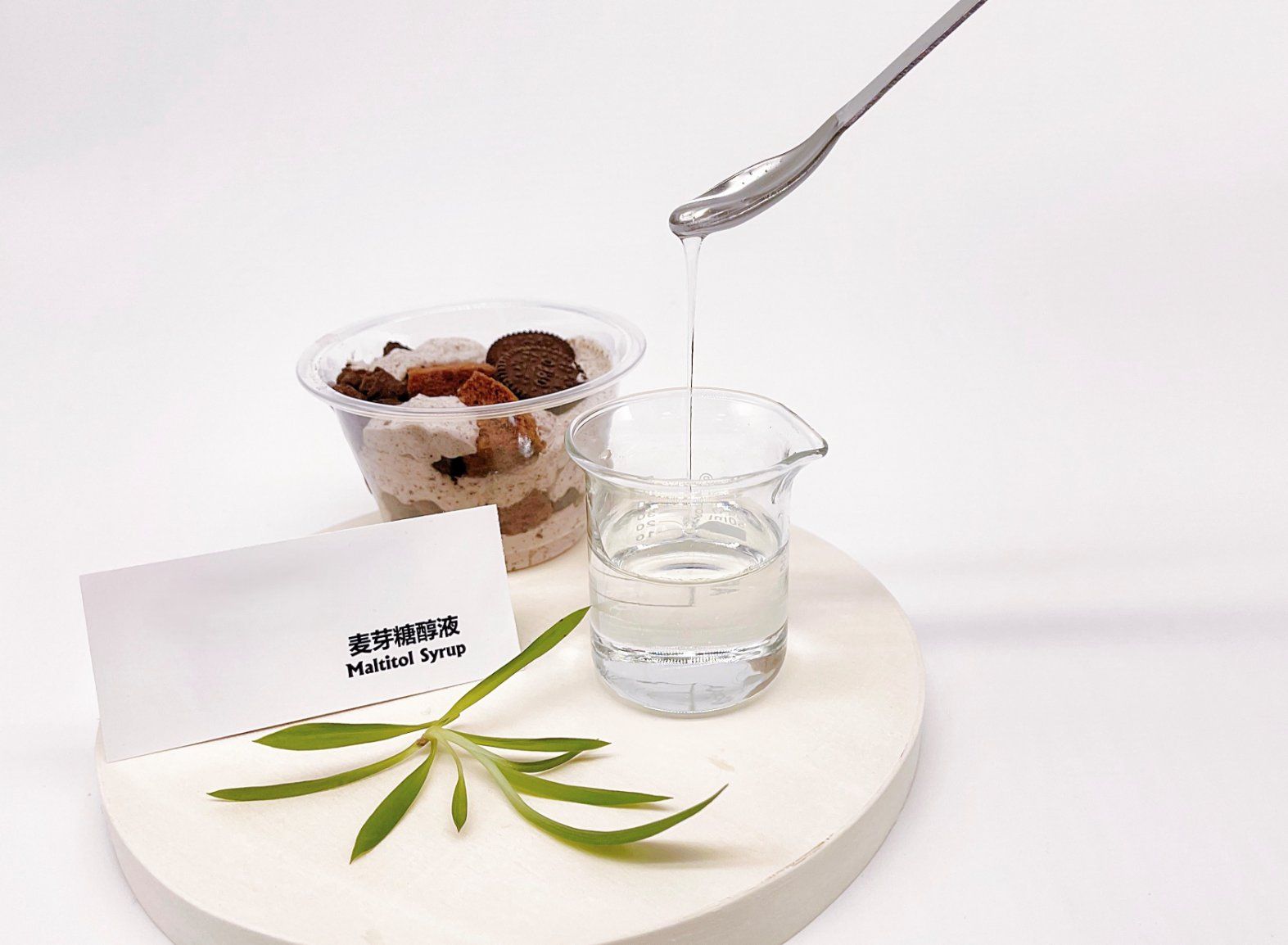
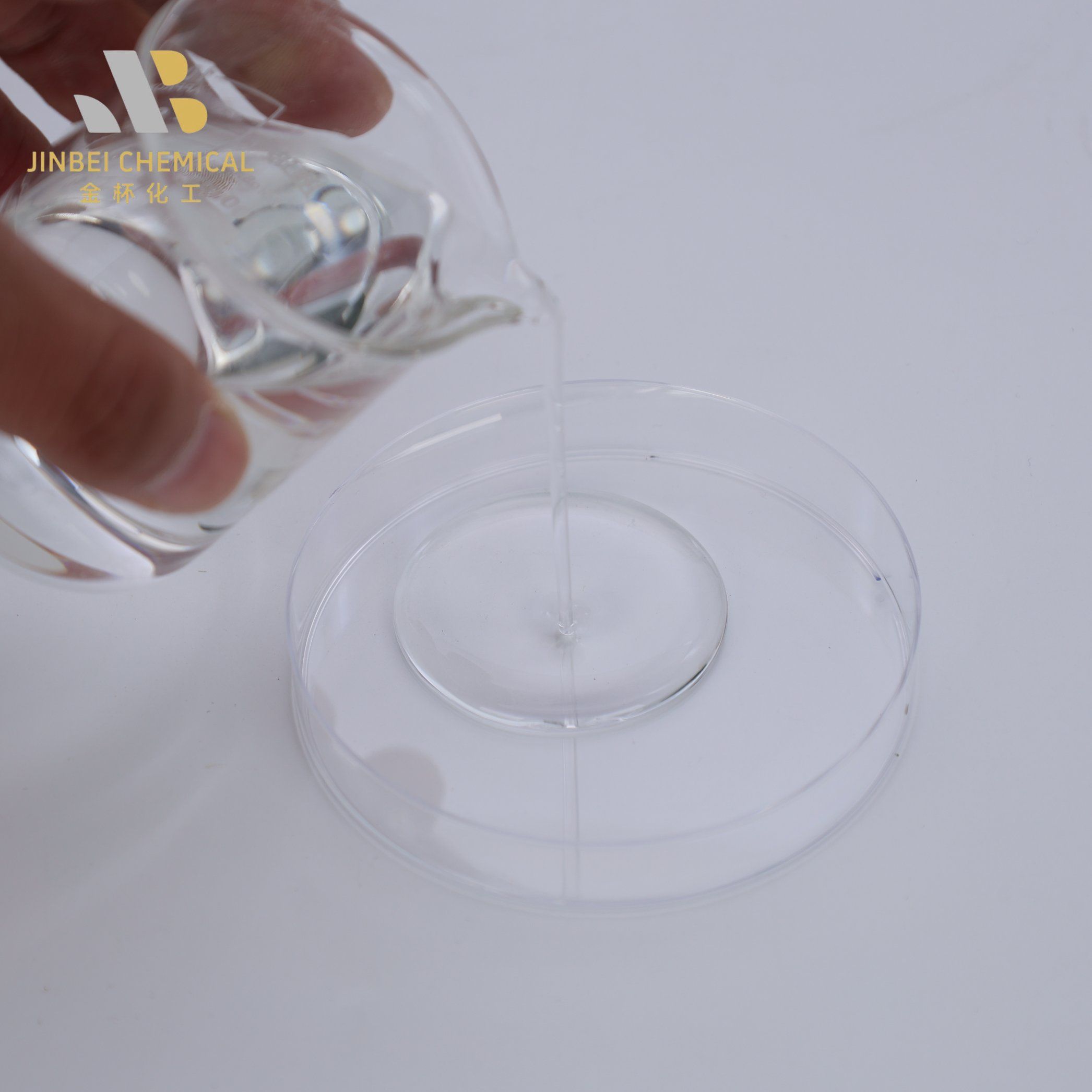
Form options indicated: crystalline powder and syrup
Application positioning: sweetener, humectant, bulking agent for food formulations
Sweetness reference: approximately 75–90% of sucrose, subject to grade and formulation
Declared shelf life: more than 12 months; confirm exact shelf life by batch and packing
Certification references on source page include BRC, ISO, FDA, Halal, Kosher and other systems; verify certificate scope, validity, and product coverage
Who uses this page
Target buyers
Food ingredient distributors
Confectionery manufacturers
Bakery ingredient buyers
Beverage and dairy formulation teams
Nutritional product manufacturers
Private-label food producers
Importers sourcing sugar alcohols from China
Procurement teams requiring food-grade humectant and bulk sweetener options
Before matching
Documents to check
CAS number, grade, assay, and impurity profile
SDS, COA, TDS, HS code, and transport classification
Destination-market import documents before supplier matching
Package and route
Packing notes
Source page indicates common packing of 25 kg per bag or carton; confirm final packing by form, grade, and destination market.
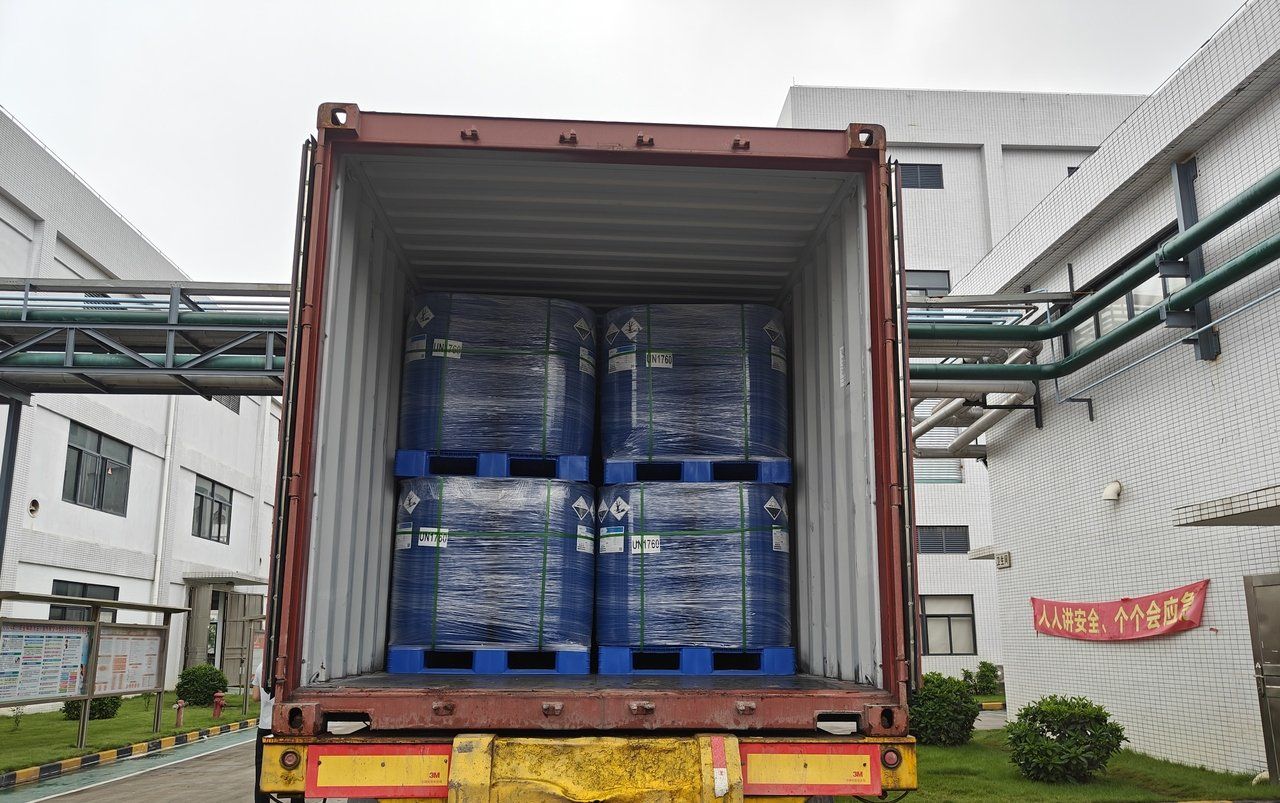
Transport package reference includes food-grade polythene plastic bag and pallet; request pallet type, liner details, net/gross weight, and container loading quantity.
For syrup, confirm drum/IBC/flexitank options, net weight, sealing method, and whether food-contact declarations are available.
Request batch coding, label language, storage statement, and shelf-life statement on commercial packing.
Confirm sample size availability and whether sample COA matches intended commercial specification.
Applications and sourcing options
Check whether this product fits the buyer's actual application.
Clear application, grade, package, and document notes help separate real sourcing demand from a vague price check.
Use context
Common applications
Sugar-reduced confectionery where bulk sweetener performance is required
Bakery and snack formulations requiring sweetness and humectancy
Frozen dessert or dairy-style formulations requiring polyol functionality
Beverage or syrup applications where maltitol syrup grade is suitable
Food ingredient distribution portfolios for polyols and low-calorie sweeteners
Formulation trials comparing maltitol powder versus syrup by solids content and sensory profile
How we compare
Sourcing options
Request powder and syrup specifications separately before price comparison.
Ask for a pre-shipment sample with matching COA and batch number.
Compare quotes on assay or dry solids basis rather than only price per kilogram.
Confirm FOB, CIF, and EXW pricing options with export document list included.
Verify manufacturer-direct supply versus trading-company supply and confirm production site details.
For recurring orders, request annual capacity, batch consistency data, and change-control notification practice.
Human review
Compliance notes
Verify that the quoted product is maltitol CAS 585-88-6 and that COA reflects the same identity and grade.
Request current COA, specification sheet, SDS, allergen statement, non-GMO statement if required, food-contact/packaging declaration, certificate of origin, health certificate where applicable, commercial invoice, packing list, and bill of lading readiness.
Confirm whether the material is food grade and whether the supplier can support destination-market documentation without implying automatic regulatory approval.
Check impurity and quality points relevant to the chosen form, including assay or dry solids basis, reducing sugars, moisture or water content, ash, pH, color, heavy metals, microbiological limits, and foreign matter controls.
Confirm DG status for the exact form and packing. Maltitol is generally sourced as a non-dangerous food ingredient, but export shipping classification should be verified by SDS and carrier requirements.
For food use, buyer should validate local permitted use, labeling rules, polyol declaration requirements, and any market-specific import controls before purchase.
Do not rely solely on marketplace claims; confirm manufacturer name, production site, audit documents, and certificate validity directly.
Buyer search paths
Related sourcing terms
These terms support long-tail discovery while keeping the page focused on useful product and China export buying context.
Share target market, quantity, packaging scope, artwork status, delivery destination, and required documents so CHN Chemicals can prepare a cleaner supplier comparison.
Questions to confirm
Is the offered item maltitol powder, crystalline maltitol, or maltitol syrup, and what is the exact commercial grade?
Please provide the latest COA for CAS 585-88-6 showing assay or concentration, moisture/dry solids, reducing sugars, ash, pH, color, heavy metals, and microbiological limits.
What is the standard specification for export orders, and can it be aligned with our destination-market food additive requirements?
What packing options are available for powder and syrup, including 25 kg bags/cartons, drums, IBCs, pallets, liners, and container loading quantities?
Can you provide SDS, specification sheet, COA, commercial invoice, packing list, bill of lading, health certificate, and certificate of origin for each shipment?
Are Halal, Kosher, BRC, ISO, or other certificates product-specific and currently valid? Please share scope pages and expiry dates.
What is the MOQ for commercial order and what sample quantity is available for lab evaluation?
What is the production lead time, batch size, monthly capacity, and nearest export port?
Checks before quote
Verify that the quoted product is maltitol CAS 585-88-6 and that COA reflects the same identity and grade.
Request current COA, specification sheet, SDS, allergen statement, non-GMO statement if required, food-contact/packaging declaration, certificate of origin, health certificate where applicable, commercial invoice, packing list, and bill of lading readiness.
Confirm whether the material is food grade and whether the supplier can support destination-market documentation without implying automatic regulatory approval.
Check impurity and quality points relevant to the chosen form, including assay or dry solids basis, reducing sugars, moisture or water content, ash, pH, color, heavy metals, microbiological limits, and foreign matter controls.
Confirm DG status for the exact form and packing. Maltitol is generally sourced as a non-dangerous food ingredient, but export shipping classification should be verified by SDS and carrier requirements.
For food use, buyer should validate local permitted use, labeling rules, polyol declaration requirements, and any market-specific import controls before purchase.
Do not rely solely on marketplace claims; confirm manufacturer name, production site, audit documents, and certificate validity directly.
Next step
Send the product page with your target quantity and market. A sourcing manager can then confirm sample options, supplier fit, packaging details, and open document gaps.