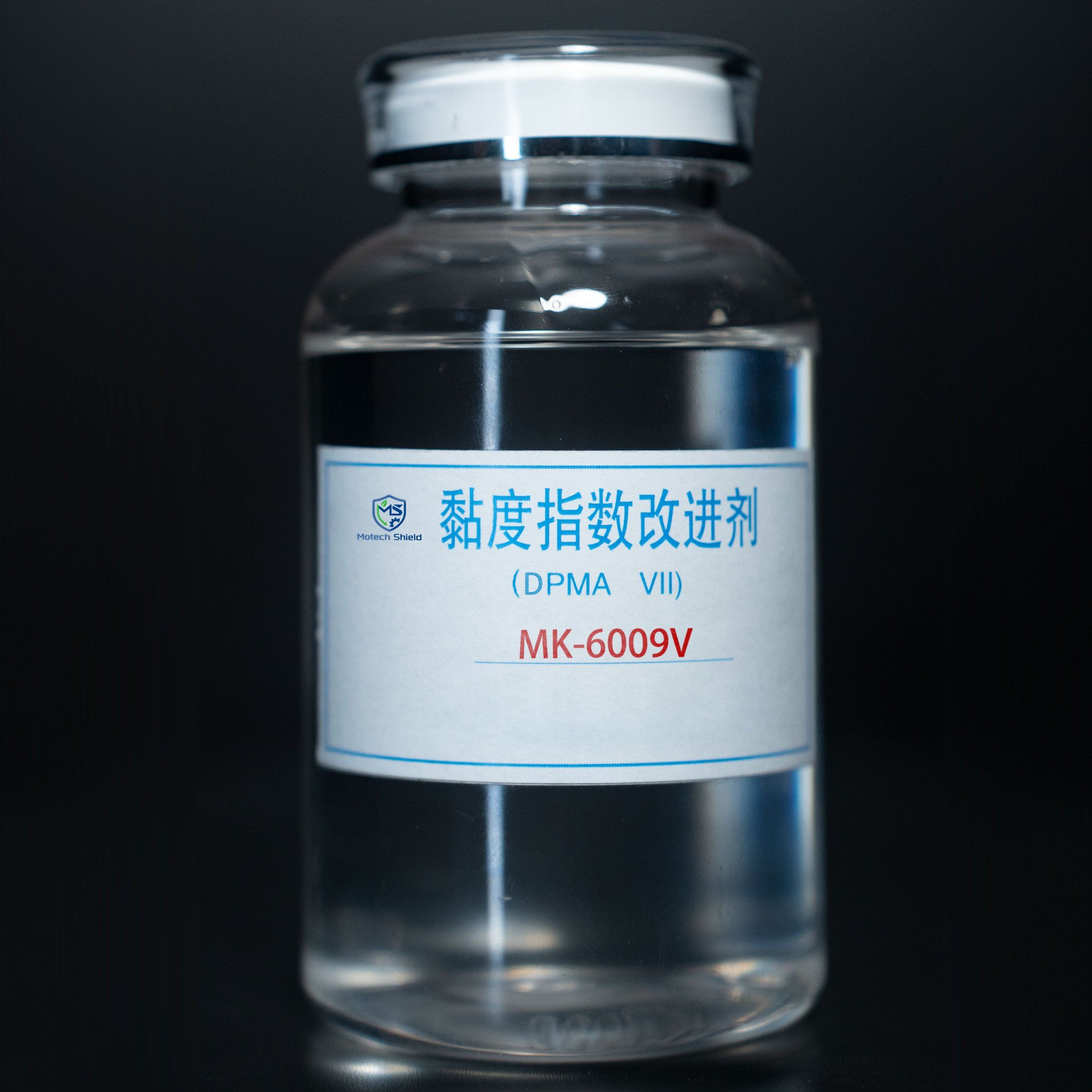
Fumarate-Type Pour Point Depressant / Viscosity Index Improver for Lubricant Additive Blending
China-origin liquid lubricant additive candidate positioned for construction machinery transmission oils, hydraulic oils, engine oil formulations, and related petroleum additive blends. Buyer verification should focus on exact polymer chemistry, grade confirmation, CAS or substance identity where applicable, viscosity and shear data, low-temperature performance, flash point, packing format, export documents, and batch-specific COA alignment before RFQ or sampling.
Quick buying facts
Identify the grade, package, and import market before comparing suppliers.
Use this page to check the product identity, common specification points, document scope, package notes, and destination-market questions before sending a China sourcing request.
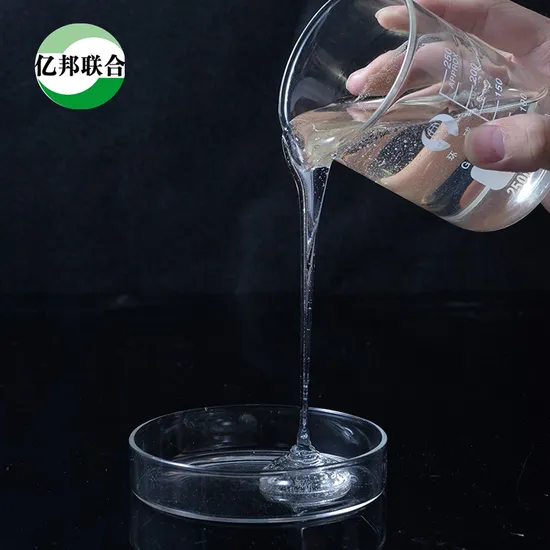
Appearance: transparent to slightly turbid viscous liquid, visual checkLubricant additive / petroleum additive / pour point depressant and viscosity index improverRFQ-ready with identity, specification, and transport-document checks required
Technical procurement teams sourcing China-origin additive alternatives
Before matching
Documents to check
CAS number, grade, assay, and impurity profile
SDS, COA, TDS, HS code, and transport classification
Destination-market import documents before supplier matching
Package and route
Packing notes
Supplier lists steel drums or IBC tanks as available packing.
Listed net packing options: 175 kg steel drum and 900 kg IBC.
Packaging size shown: 120 cm x 120 cm x 102 cm, gross weight 719 kg; confirm whether this applies to drum palletization, IBC, or sample shipment.
Confirm pallet type, drum lining, seal type, batch labeling, and export marks before purchase order.
Sample offer shown at USD 20/kg; confirm sample pack size, freight terms, and whether sample COA matches commercial batch format.
Applications and sourcing options
Check whether this product fits the buyer's actual application.
Clear application, grade, package, and document notes help separate real sourcing demand from a vague price check.
Use context
Common applications
Pour point depressant evaluation for construction machinery lubricants
Viscosity index improver candidate screening for hydraulic oil and transmission oil blends
Low-temperature performance optimization in mineral base oil systems
Shear stability comparison against incumbent lubricant additive packages
Trial blending in 150N or HVI150 base oil under buyer-controlled formulation testing
OEM or ODM lubricant additive sourcing where technical support and documentation are required
How we compare
Sourcing options
Request 1 kg to 25 kg technical sample with SDS, TDS, and sample COA.
Ask for 175 kg steel drum quotation for pilot-scale blending.
Ask for 900 kg IBC quotation for regular production supply.
Request FOB China port, CIF destination port, and DAP warehouse freight comparisons.
Request batch reservation and pre-shipment inspection for larger orders.
Ask supplier to quote both standard grade and customized viscosity index improver / pour point depressant variants.
Human review
Compliance notes
Request SDS, TDS, COA, ISO certificates, composition disclosure range where commercially possible, and transport classification before RFQ closure.
Verify exact chemical identity, CAS number or polymer exemption status, and whether the product is a mixture, polymer solution, or neat additive.
Confirm DG status, UN number if applicable, flash point basis, marine pollutant status, and export packing requirements with the supplier and freight forwarder.
Check destination-market inventory status and buyer import obligations for lubricant additives before shipment.
Do not rely on marketplace certifications as regulatory clearance; request batch-specific and shipment-specific documents.
Confirm whether HS code 3906100000 is appropriate for the final product and destination customs review.
Buyer search paths
Related sourcing terms
These terms support long-tail discovery while keeping the page focused on useful product and China export buying context.
fumarate pour point depressantlubricant additive Chinapetroleum additive supplierviscosity index improverhydraulic oil additivetransmission oil additiveconstruction machinery lubricant additivepolymer lubricant additivelow temperature lubricant additivePSSI shear stability additiveMK-6009VChina lubricant additives
Related product options
Build a broader quote package from adjacent options.
Buyers often compare neighboring grades, forms, or route options before sending one consolidated RFQ.
Share target market, quantity, packaging scope, artwork status, delivery destination, and required documents so CHN Chemicals can prepare a cleaner supplier comparison.
Questions to confirm
What is the exact chemical description and CAS number or polymer identity for MK-6009V?
Is the product supplied as a neat polymer additive, concentrate, or solution in carrier oil?
Can you provide current SDS, TDS, COA, ISO certificates, and sample COA before dispatch?
What are the guaranteed specification ranges, not only typical values, for density, flash point, viscosity, shear stability, and low-temperature performance?
Which test methods are used for pour point improvement in the buyer's target base oil or finished lubricant formulation?
Can you confirm compatibility data for HVI150, 150N, hydraulic oil, transmission oil, and construction machinery lubricant formulations?
What impurities, residual monomers, solvent residues, water content, or ash-related parameters are controlled?
Is the material classified as dangerous goods for sea, air, or road transport? If non-DG, can you provide a formal non-DG certificate?
Checks before quote
Request SDS, TDS, COA, ISO certificates, composition disclosure range where commercially possible, and transport classification before RFQ closure.
Verify exact chemical identity, CAS number or polymer exemption status, and whether the product is a mixture, polymer solution, or neat additive.
Confirm DG status, UN number if applicable, flash point basis, marine pollutant status, and export packing requirements with the supplier and freight forwarder.
Check destination-market inventory status and buyer import obligations for lubricant additives before shipment.
Do not rely on marketplace certifications as regulatory clearance; request batch-specific and shipment-specific documents.
Confirm whether HS code 3906100000 is appropriate for the final product and destination customs review.
Next step
Send the product page with your target quantity and market. A sourcing manager can then confirm sample options, supplier fit, packaging details, and open document gaps.