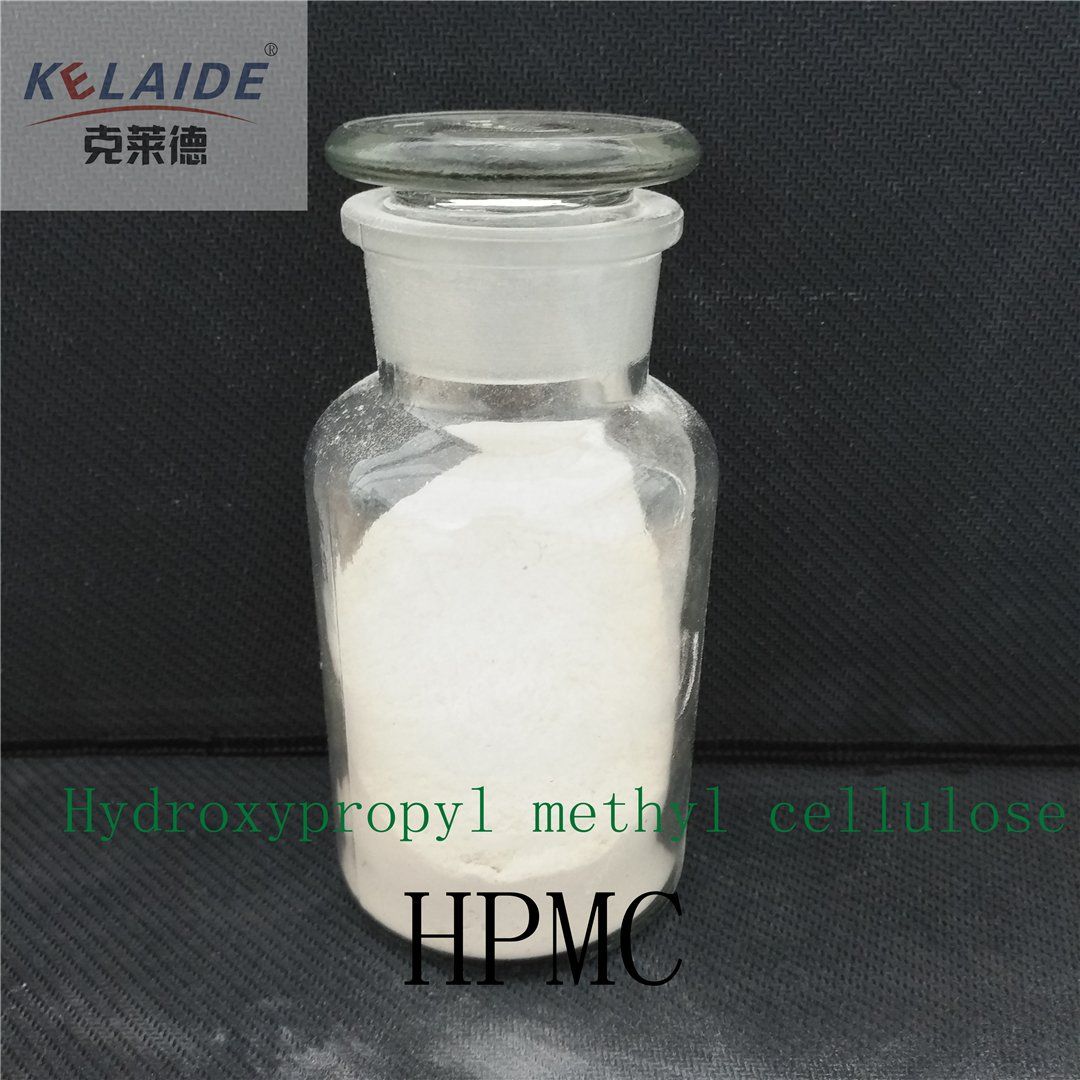
Hydroxypropyl Methylcellulose (HPMC) Powder for Dry Mix Mortar Additive, CAS 9004-65-3
Public sourcing candidate for HPMC / hypromellose powder used as a functional cellulose ether additive in dry mix mortar, tile adhesive, gypsum systems, putty, joint compound, and coating formulations. Buyer review should focus on CAS confirmation, viscosity grade, substitution profile, moisture, ash, particle size, pH, packing format, COA availability, and export documentation before RFQ placement.
Quick buying facts
Identify the grade, package, and import market before comparing suppliers.
Use this page to check the product identity, common specification points, document scope, package notes, and destination-market questions before sending a China sourcing request.
CAS No.: 9004-65-3Cellulose ether construction additive / HPMC hypromellose powderReady for RFQ with specification verification
Chemical name: Hydroxypropyl methylcellulose / Hypromellose / HPMC
Appearance: white to off-white powder
Application grade: construction grade / dry mix mortar additive grade
Viscosity: source page states customizable range, approximately 300-200,000 cps; verify test method, concentration, temperature, and spindle/rotor conditions
pH: source page indicates 4-8 or 5-8; confirm final COA range
Moisture: source page indicates ≤5%
Ash: source page indicates ≤1% in product parameter table, while basic info also lists 3-10%; clarify grade-specific ash limit before order
Building materials importers and chemical trading companies
Before matching
Documents to check
CAS number, grade, assay, and impurity profile
SDS, COA, TDS, HS code, and transport classification
Destination-market import documents before supplier matching
Package and route
Packing notes
Standard packing stated: 25 kg bags with outer HDPE bag and inner LDPE bag
Container loading stated: approximately 12 MT per 20GP with pallets or 14 MT without pallets; approximately 24 MT per 40GP with pallets or 28 MT without pallets
Request pallet type, pallet dimensions, wrapping method, and moisture protection details for sea freight
Ask whether neutral bags, buyer logo bags, batch labeling, and export marks are available
Confirm shelf-life statement and storage recommendations as printed on supplier documents, without relying only on marketplace text
Applications and sourcing options
Check whether this product fits the buyer's actual application.
Clear application, grade, package, and document notes help separate real sourcing demand from a vague price check.
Use context
Common applications
Water-retention additive in cement-based dry mix mortar
Workability modifier for tile adhesive and tile cement formulations
Functional cellulose ether for gypsum plaster and joint compound systems
Rheology and consistency modifier for wall putty and skim coat
Suspension and flow modifier in selected construction coating formulations
Binder-support additive in cementitious or gypsum-based construction materials
How we compare
Sourcing options
Request small sample for lab comparison against existing HPMC grade
RFQ by viscosity grade and application, such as tile adhesive, mortar, putty, or gypsum
Ask for construction-grade specification sheet with substitution profile and gel temperature
Compare palletized versus non-palletized container loading for landed cost calculation
Request batch-retention sample and pre-shipment COA for repeat orders
Consider supplier qualification audit or third-party inspection for first bulk shipment
Human review
Compliance notes
Request latest COA for the exact viscosity grade and batch, including viscosity test method, moisture, ash, pH, substitution values, and particle size
Request SDS in GHS format, TDS, ISO9001 certificate copy, packing list, commercial invoice, certificate of origin, and bill of lading draft support
Source text mentions health certificate availability; confirm whether it is applicable for industrial construction-grade HPMC in the destination market
Confirm whether the product is non-DG for sea/air transport based on supplier SDS and carrier review
Verify CAS 9004-65-3, product name, HS code, and destination-country import requirements before purchase
No regulatory approval or market-entry guarantee should be assumed from the listing; buyer must validate local compliance for intended use
Clarify whether the product is construction grade only and not intended for food, pharma, medical, cosmetic, or ingestible applications unless separately documented
Buyer search paths
Related sourcing terms
These terms support long-tail discovery while keeping the page focused on useful product and China export buying context.
HPMC CAS 9004-65-3hydroxypropyl methylcellulose powderhypromellose construction gradedry mix mortar additivecellulose ether for tile adhesiveHPMC for wall puttyHPMC for gypsum plasterwater retention additiveconstruction chemical additivecement mortar thickener
Related product options
Build a broader quote package from adjacent options.
Buyers often compare neighboring grades, forms, or route options before sending one consolidated RFQ.
Share target market, quantity, packaging scope, artwork status, delivery destination, and required documents so CHN Chemicals can prepare a cleaner supplier comparison.
Questions to confirm
What exact viscosity grade is being quoted, and what is the viscosity test method, solution concentration, temperature, and instrument used?
Can you provide recent COA, TDS, SDS, ISO9001 certificate, and sample label for the same grade?
Is the quoted material construction-grade HPMC suitable for dry mix mortar, tile adhesive, putty, gypsum, or cement-based systems?
What are the confirmed methoxy and hydroxypropyl substitution ranges for this grade?
What are the controlled limits for moisture, ash, pH, particle size, and bulk density?
The listing shows different ash values in different sections; which ash limit applies to the quoted grade?
What is the MOQ for trial order, sample order, and regular export order?
Can you support 25 kg export bags with batch number, production date, net weight, and buyer-specified shipping marks?
Checks before quote
Request latest COA for the exact viscosity grade and batch, including viscosity test method, moisture, ash, pH, substitution values, and particle size
Request SDS in GHS format, TDS, ISO9001 certificate copy, packing list, commercial invoice, certificate of origin, and bill of lading draft support
Source text mentions health certificate availability; confirm whether it is applicable for industrial construction-grade HPMC in the destination market
Confirm whether the product is non-DG for sea/air transport based on supplier SDS and carrier review
Verify CAS 9004-65-3, product name, HS code, and destination-country import requirements before purchase
No regulatory approval or market-entry guarantee should be assumed from the listing; buyer must validate local compliance for intended use
Clarify whether the product is construction grade only and not intended for food, pharma, medical, cosmetic, or ingestible applications unless separately documented
Next step
Send the product page with your target quantity and market. A sourcing manager can then confirm sample options, supplier fit, packaging details, and open document gaps.