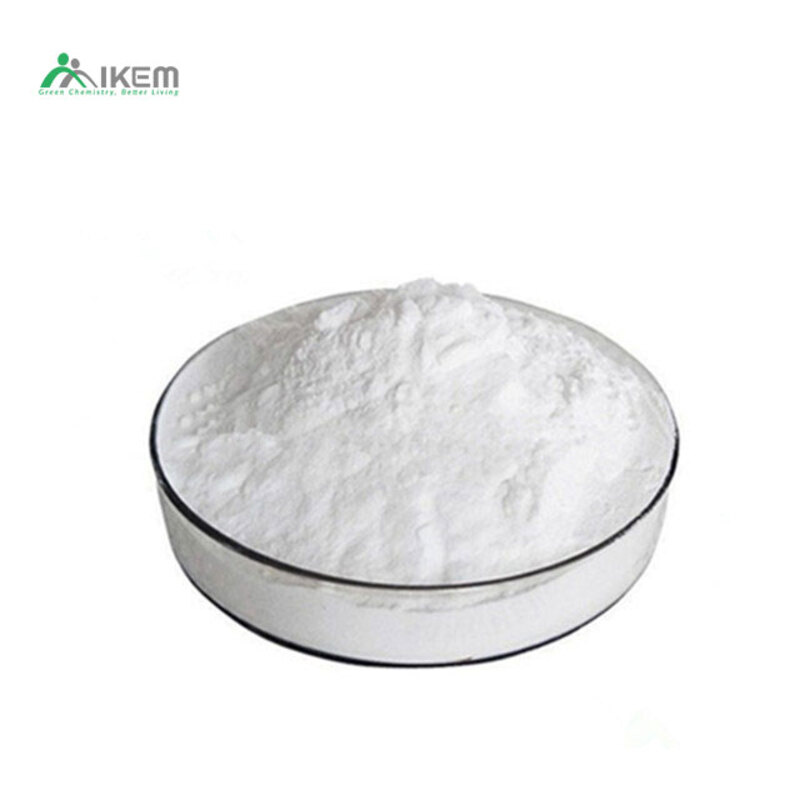
Hydroxyethyl Cellulose (HEC) Thickener, CAS 9004-62-0, Powder Grade for Industrial and Cosmetic Formulation RFQs
Buyer-facing sourcing candidate for Hydroxyethyl Cellulose (HEC), CAS 9004-62-0, supplied as a white to light-yellow powder thickener with viscosity customization. Suitable RFQs should confirm grade, viscosity method, moisture, pH, particle size, impurity limits, intended end-use suitability, packing, export documents, and batch traceability before purchase.
Quick buying facts
Identify the grade, package, and import market before comparing suppliers.
Use this page to check the product identity, common specification points, document scope, package notes, and destination-market questions before sending a China sourcing request.
CAS No.: 9004-62-0; buyer should verify CAS, product identity, and polymer grade against supplier COA and SDS.Cellulose ether thickener / non-ionic polymer additiveCandidate - requires grade, specification, and document verification before RFQ award
CAS No.: 9004-62-0; buyer should verify CAS, product identity, and polymer grade against supplier COA and SDS.
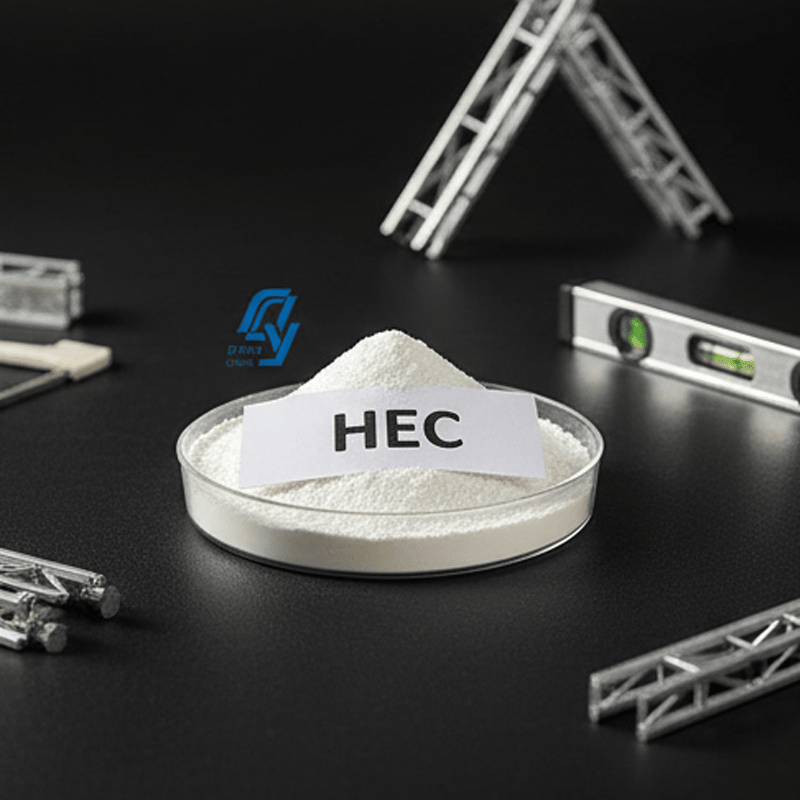
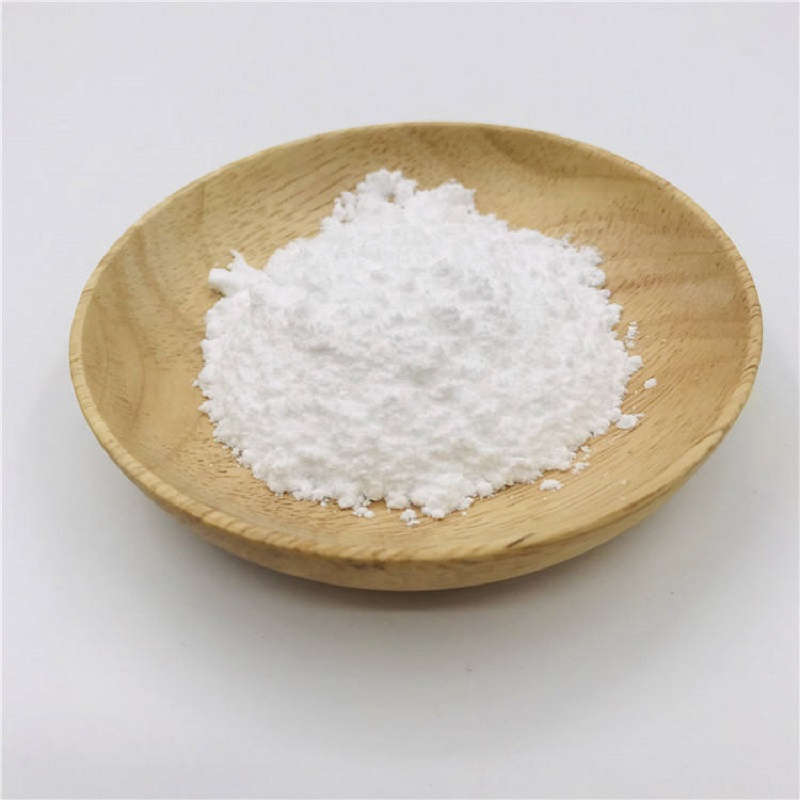
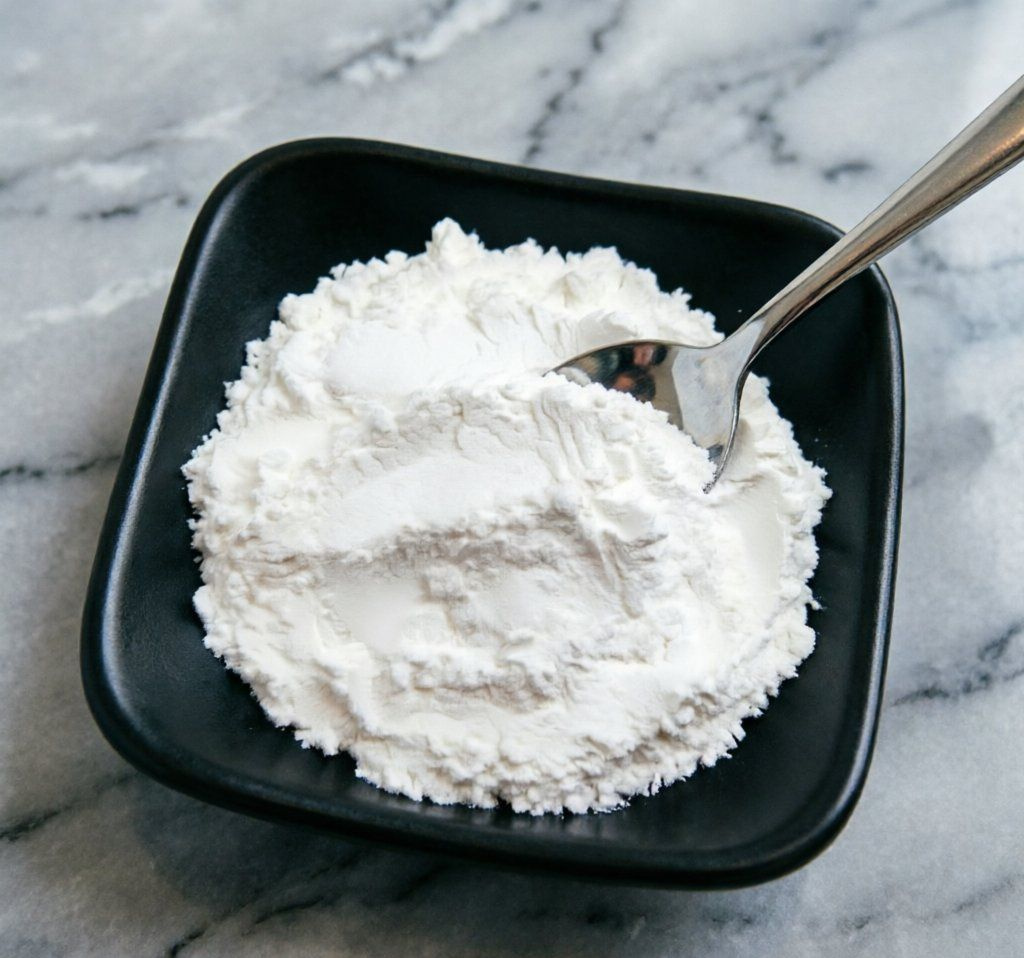
Appearance: white or light-yellow powder.
Particle size: reported as 90% less than 425 μm.
Moisture: reported maximum 5%.
Viscosity: reported Brookfield 50–5000 mPa·s or customized; confirm concentration, temperature, spindle, rpm, and solution preparation basis.
pH value: reported 6.0–8.5; confirm test concentration and method.
Solubility: reported soluble in hot or cold water; insoluble in common organic solvents.
Functional profile: thickening, water retention, suspension stability, dispersing, film-forming, and protective colloid properties.
EINECS listed on source as 618-387-5; buyer should verify relevance for the exact HEC grade.
Formula shown on source as C29H52O21; because HEC is a polymer, buyers should treat formula data as indicative only and request authoritative specification documents.
Who uses this page
Target buyers
Cosmetic and personal-care raw material importers seeking HEC thickener after grade verification.
Construction chemical formulators sourcing water-retention and thickening additives.
Paint, coating, and latex formulation buyers requiring non-ionic rheology modifiers.
Detergent and household product manufacturers sourcing water-soluble polymer thickeners.
Request photos of inner liner, outer bag, label, batch number, net weight, production date, and shelf-life marking.
For cosmetic or personal-care procurement, ask whether packaging is clean, sealed, and suitable for hygiene-sensitive supply chains.
Confirm sample availability, sample size, courier documentation, and whether sample COA matches commercial batch specification.
Applications and sourcing options
Check whether this product fits the buyer's actual application.
Clear application, grade, package, and document notes help separate real sourcing demand from a vague price check.
Use context
Common applications
Cosmetic formulation thickener candidate, subject to cosmetic-grade documentation and destination-market compliance checks.
Water-based coatings and paints requiring viscosity control and suspension support.
Construction mortars, putties, and cementitious systems requiring water retention and workability improvement.
Detergent and household cleaning formulations requiring water-soluble thickening support.
Industrial dispersions, emulsions, and suspensions requiring non-ionic compatibility.
Oilfield and drilling-related formulations where a suitable technical grade is specified by the buyer.
How we compare
Sourcing options
Request quotation by viscosity grade, moisture limit, particle size, and application grade.
Request cosmetic-grade quotation separately from construction or industrial-grade material.
Request trial sample with matching COA and SDS before bulk purchase.
Request third-party lab verification for viscosity, moisture, pH, heavy metals, and microbiology where end use requires it.
Request export-ready 25 kg bag packing with palletization and moisture barrier protection.
Request batch reservation and retained sample agreement for repeat orders.
Human review
Compliance notes
Request current COA, SDS, TDS/specification sheet, allergen/BSE-TSE statement if relevant, non-GMO statement if relevant, heavy metals statement if cosmetic use is intended, and batch traceability records.
Confirm whether the offered grade is industrial, construction, detergent, oilfield, paint, cosmetic, or multi-purpose grade; do not assume cosmetic suitability from keyword alone.
For cosmetic thickener sourcing, ask for INCI name confirmation, cosmetic-grade declaration, microbiological limits, residual solvents if applicable, heavy metals limits, and compliance documentation for the destination market.
Check import requirements in the buyer’s country, including chemical inventory status, customs HS code, labeling, and any local cosmetic raw material requirements.
DG/export awareness: HEC is generally supplied as a non-ionic cellulose ether powder, but buyers should rely on the supplier SDS for transport classification, dust-related precautions, and export documentation.
No regulatory approval, registration, or end-use legality is guaranteed by the listing; buyer must validate against destination regulations and intended application.
Buyer search paths
Related sourcing terms
These terms support long-tail discovery while keeping the page focused on useful product and China export buying context.
Share target market, quantity, packaging scope, artwork status, delivery destination, and required documents so CHN Chemicals can prepare a cleaner supplier comparison.
Questions to confirm
Please confirm exact product name, CAS 9004-62-0, grade, and intended application grade: industrial, construction, detergent, paint, oilfield, cosmetic, or other.
What is the viscosity specification and test method, including solution concentration, temperature, Brookfield spindle, rpm, hydration time, and sample preparation?
Can you provide a recent COA for a production batch showing appearance, moisture, pH, particle size, viscosity, ash if tested, and any impurity limits?
For cosmetic use, can you provide INCI confirmation, cosmetic-grade statement, microbiology limits, heavy metals limits, and any relevant destination-market support documents?
What are the available viscosity ranges and substitution types, and how do you control batch-to-batch consistency?
What is the standard MOQ, sample quantity, sample lead time, and commercial production lead time?
What packaging options are available besides 25 kg bags, and can you supply palletized export packing with moisture protection?
Can you provide SDS, TDS, COA, packing list, commercial invoice, certificate of origin, and transport classification statement before shipment?
Checks before quote
Request current COA, SDS, TDS/specification sheet, allergen/BSE-TSE statement if relevant, non-GMO statement if relevant, heavy metals statement if cosmetic use is intended, and batch traceability records.
Confirm whether the offered grade is industrial, construction, detergent, oilfield, paint, cosmetic, or multi-purpose grade; do not assume cosmetic suitability from keyword alone.
For cosmetic thickener sourcing, ask for INCI name confirmation, cosmetic-grade declaration, microbiological limits, residual solvents if applicable, heavy metals limits, and compliance documentation for the destination market.
Check import requirements in the buyer’s country, including chemical inventory status, customs HS code, labeling, and any local cosmetic raw material requirements.
DG/export awareness: HEC is generally supplied as a non-ionic cellulose ether powder, but buyers should rely on the supplier SDS for transport classification, dust-related precautions, and export documentation.
No regulatory approval, registration, or end-use legality is guaranteed by the listing; buyer must validate against destination regulations and intended application.
Next step
Send the product page with your target quantity and market. A sourcing manager can then confirm sample options, supplier fit, packaging details, and open document gaps.