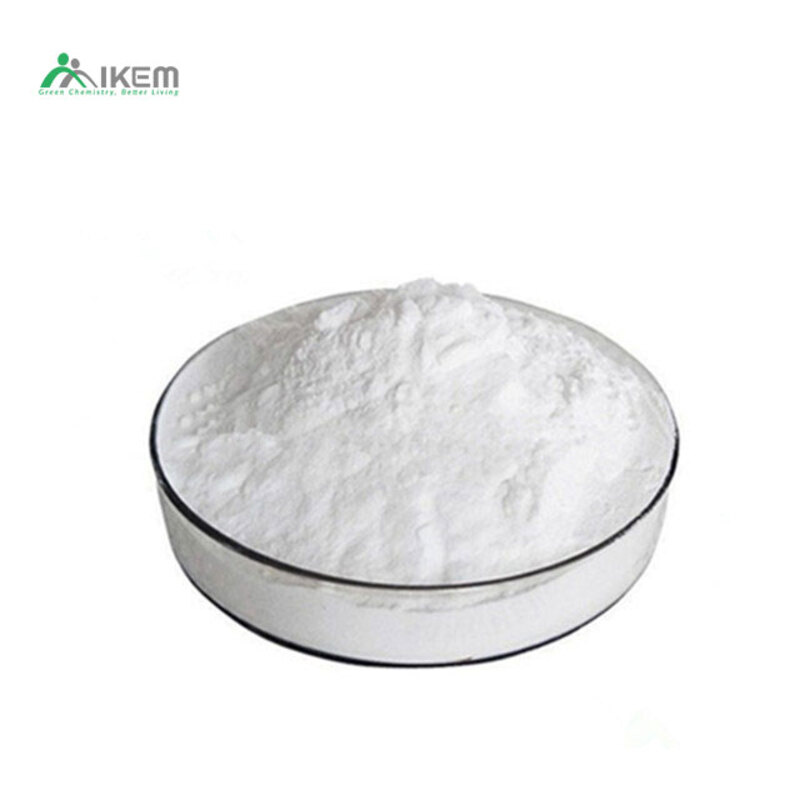
Sodium Hyaluronate Powder for Personal Care and Medical-Adjacent Formulation Checks
Sodium hyaluronate powder, CAS 9067-32-7, offered with cosmetic, food, and claimed injection-grade positioning. Buyer review should focus on grade verification, molecular weight range, viscosity data, protein and heavy metal limits, microbiological controls, packing format, and document readiness before RFQ or sampling.
Quick buying facts
Identify the grade, package, and import market before comparing suppliers.
Use this page to check the product identity, common specification points, document scope, package notes, and destination-market questions before sending a China sourcing request.
CAS No.: 9067-32-7Sodium hyaluronate powder / hyaluronic acid sodium salt rheology and hydration ingredientHuman review
SDS, COA, TDS, HS code, and transport classification
Destination-market import documents before supplier matching
Package and route
Packing notes
Listed packing includes double food-grade plastic bag inside with aluminum foil bag or fiber drum outside
Transport package listed as cardboard buckets
Specification listed as 25 kg/drum
MOQ shown as 30 kg; sample offer shown separately
Confirm inner bag material, drum dimensions, net weight, palletization, and export carton or drum labeling before order
Confirm whether packaging differs by cosmetic, food, or claimed injection-grade material
Applications and sourcing options
Check whether this product fits the buyer's actual application.
Clear application, grade, package, and document notes help separate real sourcing demand from a vague price check.
Use context
Common applications
Topical skin care formulation ingredient screening
Rheology and hydration ingredient comparison for personal care products
Molecular weight grade comparison for cosmetic formulation development
Supplier qualification for sodium hyaluronate powder
Batch specification review before sample purchase
Documentation review for export/import readiness
How we compare
Sourcing options
Request cosmetic-grade sodium hyaluronate with defined molecular weight range and microbiological limits
Request food-grade sodium hyaluronate only where destination-market food use is legally supported
Request separate quotation by molecular weight band, assay, viscosity, and microbial specification
Request 25 kg/drum commercial packing with sample-size material from the same production standard
Request document pack before payment: COA, SDS, TDS, quality certificate, packing list template, and origin statement
Request supplier clarification on any claimed injection-grade material through formal quality and regulatory channels
Human review
Compliance notes
CAS identity, grade, and intended market classification should be verified by buyer-side regulatory and quality teams
Supplier page uses medical, cosmetic, intradermal, intra-articular, and intra-ocular language; these claims require heightened documentation review and may trigger medical device, pharmaceutical, or injectable-material controls depending on jurisdiction
Do not treat marketplace grade labels such as cosmetic grade, food grade, or injection grade as regulatory approval
Request current COA, SDS, TDS/specification sheet, allergen/BSE-TSE statement where relevant, residual solvent statement if applicable, microbiological test method details, and manufacturing quality certificates
Confirm whether material is intended only for topical personal care, oral/food applications, research/formulation evaluation, or regulated medical/pharmaceutical use
Review HS code 3913900090, export documents, and destination-country import requirements before shipment
DG status is not established from the extracted listing; request SDS transport section and carrier acceptance confirmation
Any injectable, implantable, ophthalmic, intra-articular, or dermal filler use should be handled only through qualified regulatory, clinical, and quality channels
Buyer search paths
Related sourcing terms
These terms support long-tail discovery while keeping the page focused on useful product and China export buying context.
Share target market, quantity, packaging scope, artwork status, delivery destination, and required documents so CHN Chemicals can prepare a cleaner supplier comparison.
Questions to confirm
Can you confirm CAS 9067-32-7 and provide the current COA for the exact offered batch?
Which grade is being quoted: cosmetic, food, pharmaceutical, medical-device raw material, or another internal grade?
What molecular weight range can be guaranteed for commercial lots, and what test method is used?
Can you provide intrinsic viscosity, kinematic viscosity, transparency, absorbance, pH, assay, protein, heavy metals, arsenic, and microbiology results for each batch?
Are E. coli, Staphylococcus, Pseudomonas aeruginosa, yeasts, molds, and total bacterial count tested by an accredited or validated method?
What is the production standard or pharmacopeial reference, if any, used for this grade?
Can you provide SDS, TDS, COA, ISO/GMP-related certificates, origin statement, and export documentation samples?
Is the material animal-derived, fermentation-derived, or another source, and can source documentation be provided?
Checks before quote
CAS identity, grade, and intended market classification should be verified by buyer-side regulatory and quality teams
Supplier page uses medical, cosmetic, intradermal, intra-articular, and intra-ocular language; these claims require heightened documentation review and may trigger medical device, pharmaceutical, or injectable-material controls depending on jurisdiction
Do not treat marketplace grade labels such as cosmetic grade, food grade, or injection grade as regulatory approval
Request current COA, SDS, TDS/specification sheet, allergen/BSE-TSE statement where relevant, residual solvent statement if applicable, microbiological test method details, and manufacturing quality certificates
Confirm whether material is intended only for topical personal care, oral/food applications, research/formulation evaluation, or regulated medical/pharmaceutical use
Review HS code 3913900090, export documents, and destination-country import requirements before shipment
DG status is not established from the extracted listing; request SDS transport section and carrier acceptance confirmation
Any injectable, implantable, ophthalmic, intra-articular, or dermal filler use should be handled only through qualified regulatory, clinical, and quality channels
Next step
Send the product page with your target quantity and market. A sourcing manager can then confirm sample options, supplier fit, packaging details, and open document gaps.