Isatis Indigotica Leaf Extract Powder for Botanical Ingredient Sourcing
Buyer-facing sourcing candidate for Isatis indigotica leaf extract powder from China, offered in ratio extracts and standardized concentration options. Overseas buyers should verify botanical identity, plant part, marker compounds, extraction solvent residuals, grade positioning, impurity limits, packing format, and export document readiness before RFQ confirmation.
Quick buying facts
Identify the grade, package, and import market before comparing suppliers.
Use this page to check the product identity, common specification points, document scope, package notes, and destination-market questions before sending a China sourcing request.
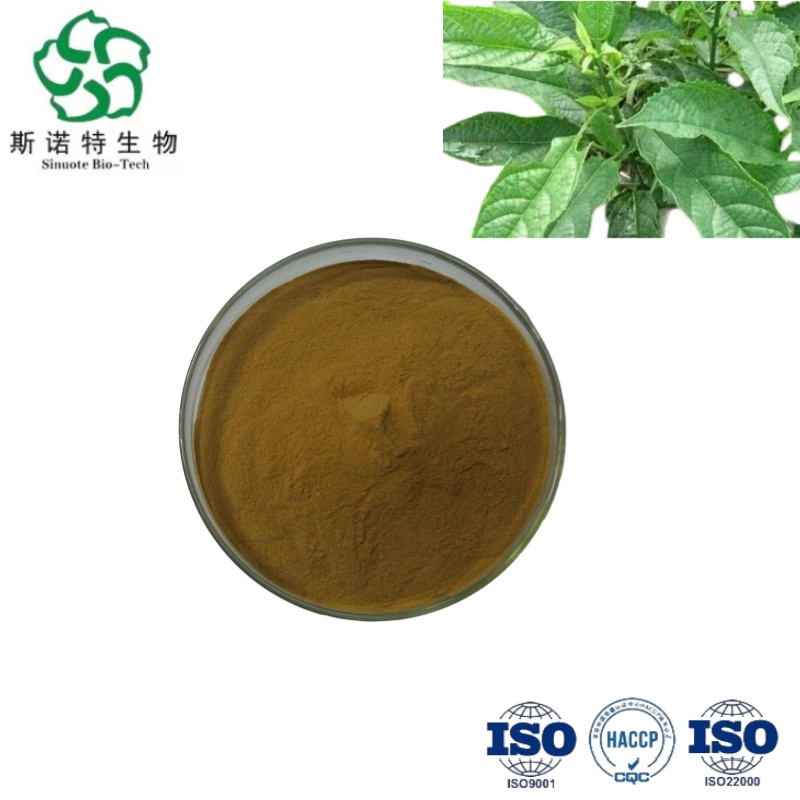
Botanical source: Isatis indigotica, leaf; buyer should confirm Latin name, plant part, and botanical authentication method.Botanical extract powder / herbal plant extractCandidate - requires CAS/botanical identity, marker assay, impurity, and export document verification
Botanical source: Isatis indigotica, leaf; buyer should confirm Latin name, plant part, and botanical authentication method.
Appearance: powder; standard particle size stated as 80 mesh, with customization reportedly available from 60-120 mesh.
Extract ratios: 5:1, 10:1, 20:1, 50:1 available; buyers should confirm whether ratios are input-to-output ratios and how they are controlled.
Standardized concentration options: 40%, 60%, 80% stated; buyer should confirm the named marker compound or active fraction for each percentage specification.
Assay methods stated: TLC, HPLC, HPLC-MS, UV; HPLC referenced for indican and flavonoids content.
Solubility reference: reported as at least 90% soluble in water at 25°C, 10% w/v, and ethanol at 25°C, 70% v/v; confirm on supplier COA.
Ash content: stated as not more than 5.0%; confirm total ash and acid-insoluble ash if relevant.
Extraction description: water-ethanol mixed solvent extraction reported at 60:40 v/v, followed by purification, concentration, and spray drying.
Shelf life: 24 months when sealed and protected from light, moisture, and high temperature; storage stated as 15-25°C.
Grade claims shown include food grade, cosmetic grade, and pharmaceutical grade; buyer should request separate specifications and documents for the intended market and use category.
R&D teams screening botanical extract specifications
Before matching
Documents to check
CAS number, grade, assay, and impurity profile
SDS, COA, TDS, HS code, and transport classification
Destination-market import documents before supplier matching
Package and route
Packing notes
Supplier page references drum and vacuum packed formats; confirm net weight per drum, inner liner material, palletization, and carton/drum dimensions.
Request export packing photos, label template, batch number format, production date, retest or expiry date, and country-of-origin marking.
Confirm moisture barrier packaging and whether nitrogen flushing, aluminum foil bags, or double PE liners are available for long-distance ocean shipment.
For samples, confirm sample size, representative batch status, sample COA, and whether the sample matches bulk production specification.
Ask whether packing can support food, cosmetic, or technical ingredient supply chains separately, with no cross-contamination from non-compatible materials.
Applications and sourcing options
Check whether this product fits the buyer's actual application.
Clear application, grade, package, and document notes help separate real sourcing demand from a vague price check.
Use context
Common applications
Ingredient qualification where botanical identity, extract ratio, marker assay, and impurity profile must be checked before formulation.
Supplier comparison for Isatis indigotica leaf extract powder offered in multiple extract ratios or standardized concentration levels.
Pilot-scale procurement for non-final-market testing after document review and sample COA confirmation.
Cosmetic or personal care ingredient evaluation where ECOCERT scope, residual solvents, and microbial limits need verification.
Food or supplement ingredient sourcing subject to buyer-side destination-market regulatory assessment.
How we compare
Sourcing options
Extract ratio options: 5:1, 10:1, 20:1, 50:1, subject to ratio verification and COA confirmation.
Standardized options: 40%, 60%, 80%, subject to marker compound confirmation.
Particle size customization: supplier states 60-120 mesh available, with 80 mesh as a common specification.
Assay method options: TLC, HPLC, HPLC-MS, or UV depending on marker and buyer requirement.
Packing options: export drum and vacuum packed formats stated; confirm net weight and moisture-barrier design.
Grade positioning: food, cosmetic, or pharmaceutical grade claims require separate document review and destination-market confirmation.
Human review
Compliance notes
CAS may not be applicable to a complex botanical extract; buyers should verify whether the supplier uses a CAS reference, botanical monograph reference, or internal extract code.
Request current COA, specification sheet, SDS, TDS, allergen statement, non-GMO statement if needed, residual solvent statement, heavy metals report, pesticide residue report, microbiological test report, and contaminant screening results.
Certification claims listed include ISO 9001, GMP, HACCP, Halal, Kosher, FDA, and ECOCERT; buyers should request certificate copies, issuing bodies, scope, site address, and validity dates.
Avoid relying on broad claims such as food grade, pharmaceutical grade, or cosmetic grade without destination-market review and buyer-side regulatory assessment.
Confirm residual ethanol and other solvent limits against the buyer’s target application and destination market requirements.
Request impurity and safety checks for heavy metals, arsenic, lead, cadmium, mercury, aflatoxins if applicable, pesticide residues, PAHs if relevant, microbial limits, yeast and mold, E. coli, Salmonella, and total plate count.
For DG/export awareness, botanical extract powders are commonly shipped as non-DG, but buyers should confirm SDS transport classification, HS code, UN number status if any, and carrier acceptance before booking.
No regulatory approval, therapeutic effect, import clearance, or market authorization should be assumed from supplier marketing text.
Buyer search paths
Related sourcing terms
These terms support long-tail discovery while keeping the page focused on useful product and China export buying context.
Share target market, quantity, packaging scope, artwork status, delivery destination, and required documents so CHN Chemicals can prepare a cleaner supplier comparison.
Questions to confirm
What is the confirmed Latin name, plant part, origin region, harvest season, and botanical authentication method for the raw material?
Is there a CAS number used for this extract, or is it sold as a complex botanical extract without a single CAS?
For 40%, 60%, and 80% specifications, what exact marker compound or active fraction is being standardized?
For 5:1, 10:1, 20:1, and 50:1 extracts, how is the extract ratio calculated and verified?
Can you provide a recent COA for each specification, including assay method, chromatogram if HPLC is used, moisture, ash, particle size, and microbiology?
What are the limits and actual results for heavy metals, pesticide residues, residual solvents, aflatoxins, and microbial contaminants?
Is the extraction solvent only water and ethanol, and what is the residual ethanol limit in the finished powder?
What carriers or excipients are used for spray drying, if any, such as maltodextrin or starch?
Checks before quote
CAS may not be applicable to a complex botanical extract; buyers should verify whether the supplier uses a CAS reference, botanical monograph reference, or internal extract code.
Request current COA, specification sheet, SDS, TDS, allergen statement, non-GMO statement if needed, residual solvent statement, heavy metals report, pesticide residue report, microbiological test report, and contaminant screening results.
Certification claims listed include ISO 9001, GMP, HACCP, Halal, Kosher, FDA, and ECOCERT; buyers should request certificate copies, issuing bodies, scope, site address, and validity dates.
Avoid relying on broad claims such as food grade, pharmaceutical grade, or cosmetic grade without destination-market review and buyer-side regulatory assessment.
Confirm residual ethanol and other solvent limits against the buyer’s target application and destination market requirements.
Request impurity and safety checks for heavy metals, arsenic, lead, cadmium, mercury, aflatoxins if applicable, pesticide residues, PAHs if relevant, microbial limits, yeast and mold, E. coli, Salmonella, and total plate count.
For DG/export awareness, botanical extract powders are commonly shipped as non-DG, but buyers should confirm SDS transport classification, HS code, UN number status if any, and carrier acceptance before booking.
No regulatory approval, therapeutic effect, import clearance, or market authorization should be assumed from supplier marketing text.
Next step
Send the product page with your target quantity and market. A sourcing manager can then confirm sample options, supplier fit, packaging details, and open document gaps.