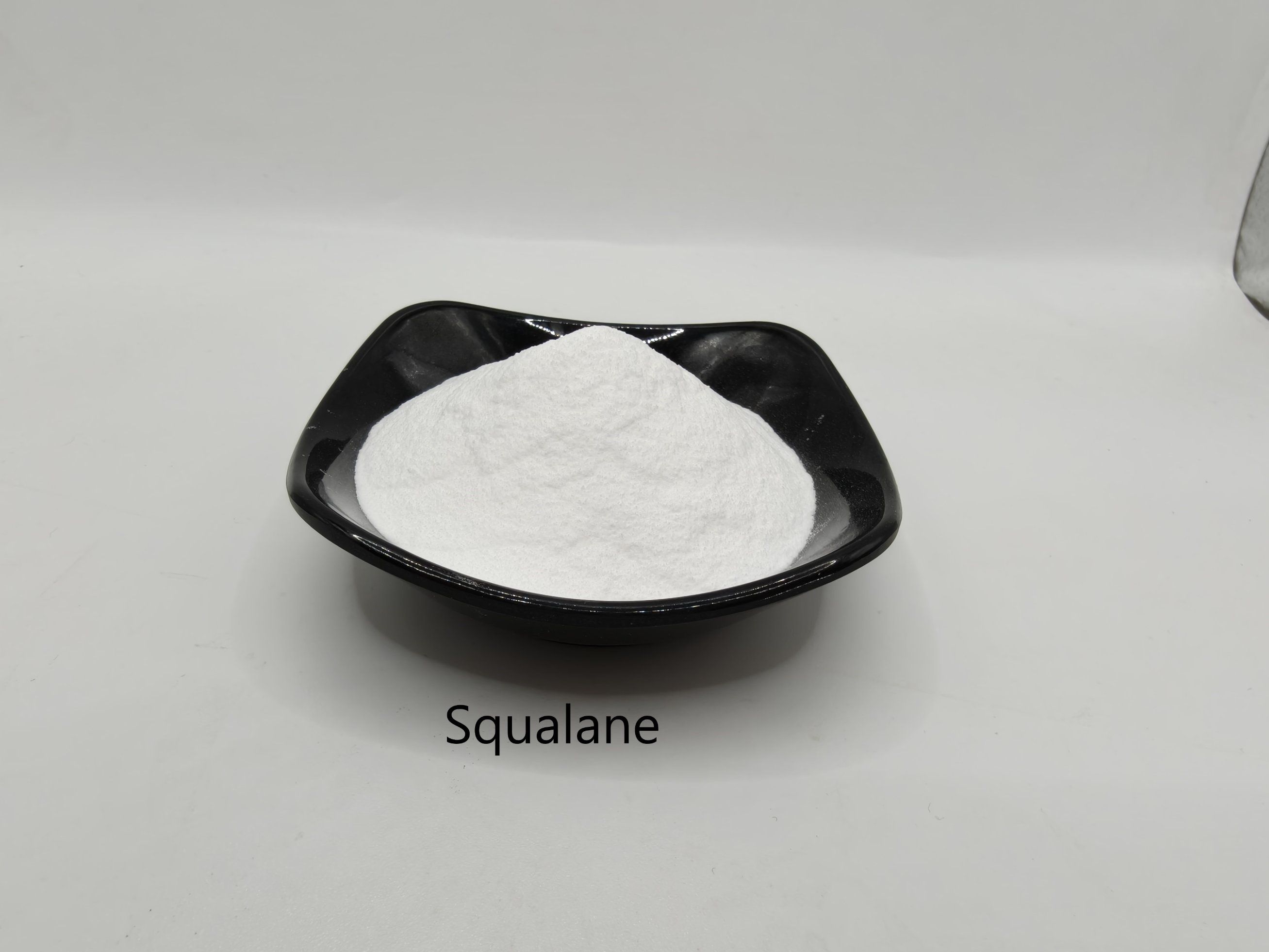
Squalane CAS 111-01-3 Cosmetic Emollient Raw Material
Buyer-facing sourcing candidate for squalane CAS 111-01-3, typically used as a cosmetic emollient, carrier oil, and skin-feel modifier. Buyers should verify origin, grade, assay or purity, appearance, odor, peroxide value, acid value, impurity profile, and document package before RFQ or sample approval.
Quick buying facts
Identify the grade, package, and import market before comparing suppliers.
Use this page to check the product identity, common specification points, document scope, package notes, and destination-market questions before sending a China sourcing request.
CAS No.: 111-01-3Cosmetic raw material / emollient hydrocarbonCandidate - verify grade, origin, COA, and export documents
Water solubility: insoluble in water; soluble in oils and selected organic solvents
Melting point reference: approximately -38 C
Grade to confirm: cosmetic grade, personal care grade, or customer-specified grade
Source to confirm: plant-derived, sugarcane-derived, olive-derived, synthetic, or other declared origin
Key QC points to request: assay or purity, peroxide value, acid value, iodine value, color, odor, density, refractive index, heavy metals, residual solvents, microbial limits where applicable
Who uses this page
Target buyers
Cosmetic ingredient distributors
Personal care contract manufacturers
Skincare brand procurement teams
Hair care and color cosmetic manufacturers
Private-label cosmetic manufacturers
Raw material importers serving cosmetic formulators
Before matching
Documents to check
CAS number, grade, assay, and impurity profile
SDS, COA, TDS, HS code, and transport classification
Destination-market import documents before supplier matching
Package and route
Packing notes
Listed packing includes 1 kg foil bag and 25 kg drum, but buyer should confirm liquid-compatible inner packaging and closure type.
Request available sample size, commercial drum size, palletization, net/gross weight, and shelf-life conditions on COA or TDS.
Confirm whether packaging is food/cosmetic-contact suitable and whether tamper-evident seals are available.
Ask supplier to confirm lead time, MOQ, batch size, and whether same-batch retained samples are available.
Applications and sourcing options
Check whether this product fits the buyer's actual application.
Clear application, grade, package, and document notes help separate real sourcing demand from a vague price check.
Use context
Common applications
Emollient phase ingredient for creams, lotions, serums, balms, and oils
Skin-feel modifier in non-greasy cosmetic formulations
Carrier oil or dispersing medium for oil-compatible cosmetic ingredients
Lip care, hair care, sunscreen, and color cosmetic base applications subject to local formulation review
How we compare
Sourcing options
Request 100 g to 1 kg sample with same COA format used for commercial batches.
Compare plant-derived and synthetic-origin offers separately due to claim, pricing, and compliance differences.
Ask for cosmetic-grade specification sheet before negotiating bulk price.
For brand-sensitive programs, require origin traceability and animal-derived material declaration before sample approval.
For export orders, confirm non-DG or DG status, HS code, and destination documentation before issuing purchase order.
Human review
Compliance notes
Verify CAS 111-01-3 and INCI name alignment before cosmetic formulation review.
Request COA, TDS, SDS, allergen statement, GMO statement, residual solvent statement, heavy metal statement, origin declaration, and animal-derived material statement as applicable.
Confirm whether the offered material is plant-derived or animal-derived, especially for vegan, halal, kosher, cruelty-free, or sustainability claims.
Check destination-market cosmetic ingredient requirements independently, including EU, UK, US, ASEAN, GCC, and other local import rules where relevant.
Confirm Dangerous Goods status, HS code, export documentation, and transport classification with supplier and freight forwarder before shipment.
Do not rely on marketplace claims such as anti-aging, UV protection, nutraceutical, pharmaceutical, or therapeutic benefits without separate regulatory and substantiation review.
Buyer search paths
Related sourcing terms
These terms support long-tail discovery while keeping the page focused on useful product and China export buying context.
squalaneCAS 111-01-3cosmetic emollientplant-derived squalanesugarcane squalaneolive squalaneINCI squalanecosmetic oil ingredientpersonal care raw materialskin care emollient
Related product options
Build a broader quote package from adjacent options.
Buyers often compare neighboring grades, forms, or route options before sending one consolidated RFQ.
Share target market, quantity, packaging scope, artwork status, delivery destination, and required documents so CHN Chemicals can prepare a cleaner supplier comparison.
Questions to confirm
What is the declared source of the squalane: sugarcane, olive, rice bran, amaranth, shark liver, synthetic, or other?
Can you provide recent batch COA showing assay or purity, peroxide value, acid value, iodine value, color, odor, density, and refractive index?
Is the product offered as cosmetic grade, food grade, pharmaceutical excipient grade, or another grade?
What impurity limits are controlled, including residual solvents, heavy metals, PAHs, pesticides, and oxidation markers?
Is the material fully saturated squalane, and how do you control remaining squalene or unsaturated hydrocarbons?
Can you provide SDS, TDS, INCI declaration, origin statement, animal-free or vegan statement, and allergen/GMO statements?
What are the standard packing options for samples, 1 kg, 25 kg, and larger orders?
What is the shelf life, recommended storage condition, and unopened-drum retest policy?
Checks before quote
Verify CAS 111-01-3 and INCI name alignment before cosmetic formulation review.
Request COA, TDS, SDS, allergen statement, GMO statement, residual solvent statement, heavy metal statement, origin declaration, and animal-derived material statement as applicable.
Confirm whether the offered material is plant-derived or animal-derived, especially for vegan, halal, kosher, cruelty-free, or sustainability claims.
Check destination-market cosmetic ingredient requirements independently, including EU, UK, US, ASEAN, GCC, and other local import rules where relevant.
Confirm Dangerous Goods status, HS code, export documentation, and transport classification with supplier and freight forwarder before shipment.
Do not rely on marketplace claims such as anti-aging, UV protection, nutraceutical, pharmaceutical, or therapeutic benefits without separate regulatory and substantiation review.
Next step
Send the product page with your target quantity and market. A sourcing manager can then confirm sample options, supplier fit, packaging details, and open document gaps.