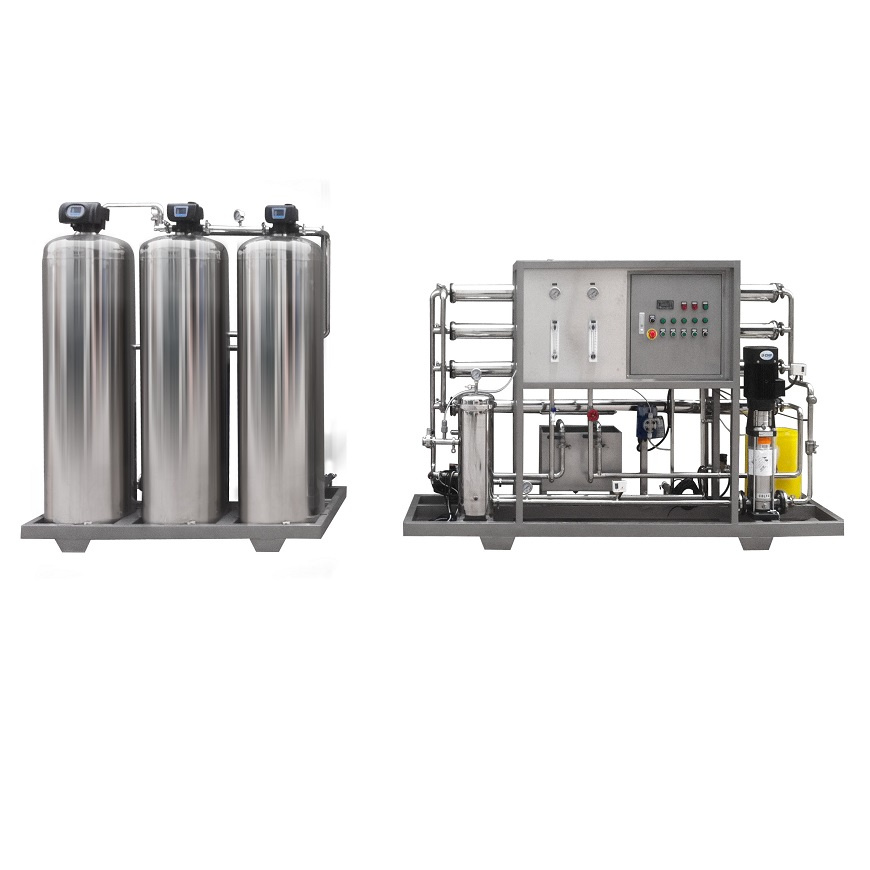
OEM Industrial Antiscalant for Cooling Tower, Boiler and RO Water Systems
China-sourced OEM industrial antiscalant candidate for overseas buyers seeking private-label or bulk water-treatment chemicals for circulating cooling water, boiler support systems, and RO pretreatment applications. Buyer verification should focus on formulation type, active content, phosphorus level, pH, density, compatibility with target water chemistry, impurity limits, packaging, SDS/COA availability, and export/DG classification before RFQ confirmation.
Quick buying facts
Identify the grade, package, and import market before comparing suppliers.
Use this page to check the product identity, common specification points, document scope, package notes, and destination-market questions before sending a China sourcing request.
CAS check: likely formulated mixture rather than single-CAS chemical; request full compositional disclosure to the extent available, CAS list for regulated components, and SDS Section 3 disclosureIndustrial water treatment antiscalant / scale inhibitor blendCandidate suitable for RFQ after formulation, SDS, DG, and COA verification
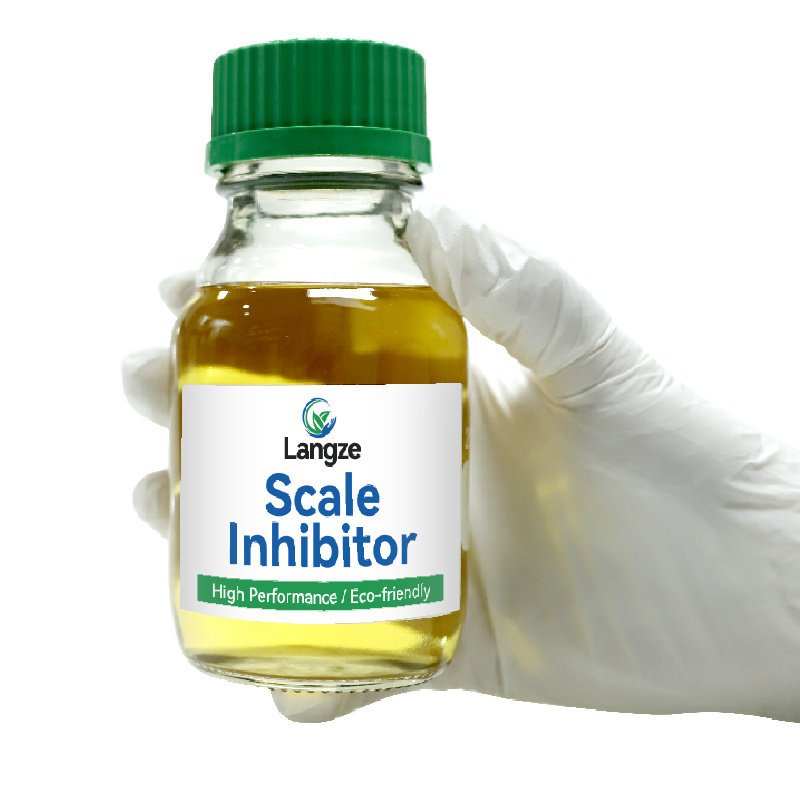
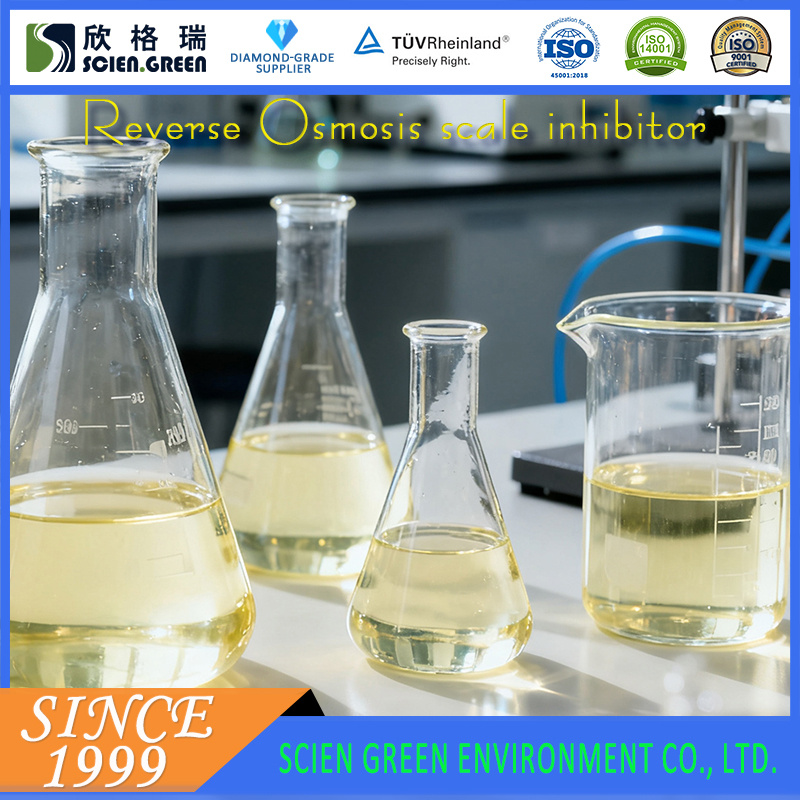
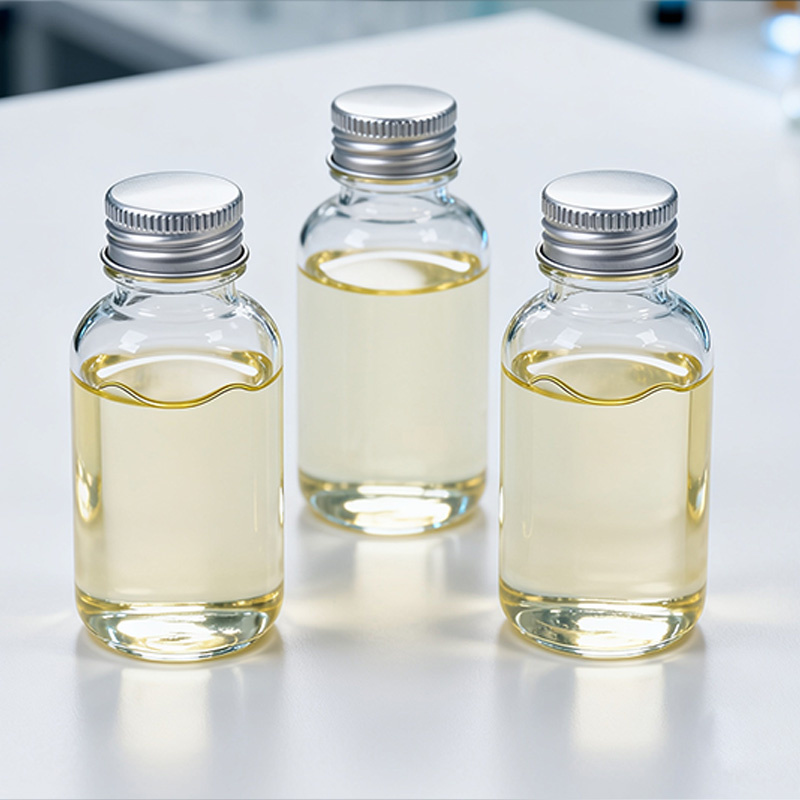
Appearance: colorless to light yellow transparent liquid; source listing also notes yellow liquid
pH: 1–3 as-is at 25°C
Density: 1.10 ± 0.05 g/cm³ at 25°C
Formulation claim: low-phosphorus or phosphorus-free option available; verify actual phosphorus content by COA
Grade: industrial / non-food grade
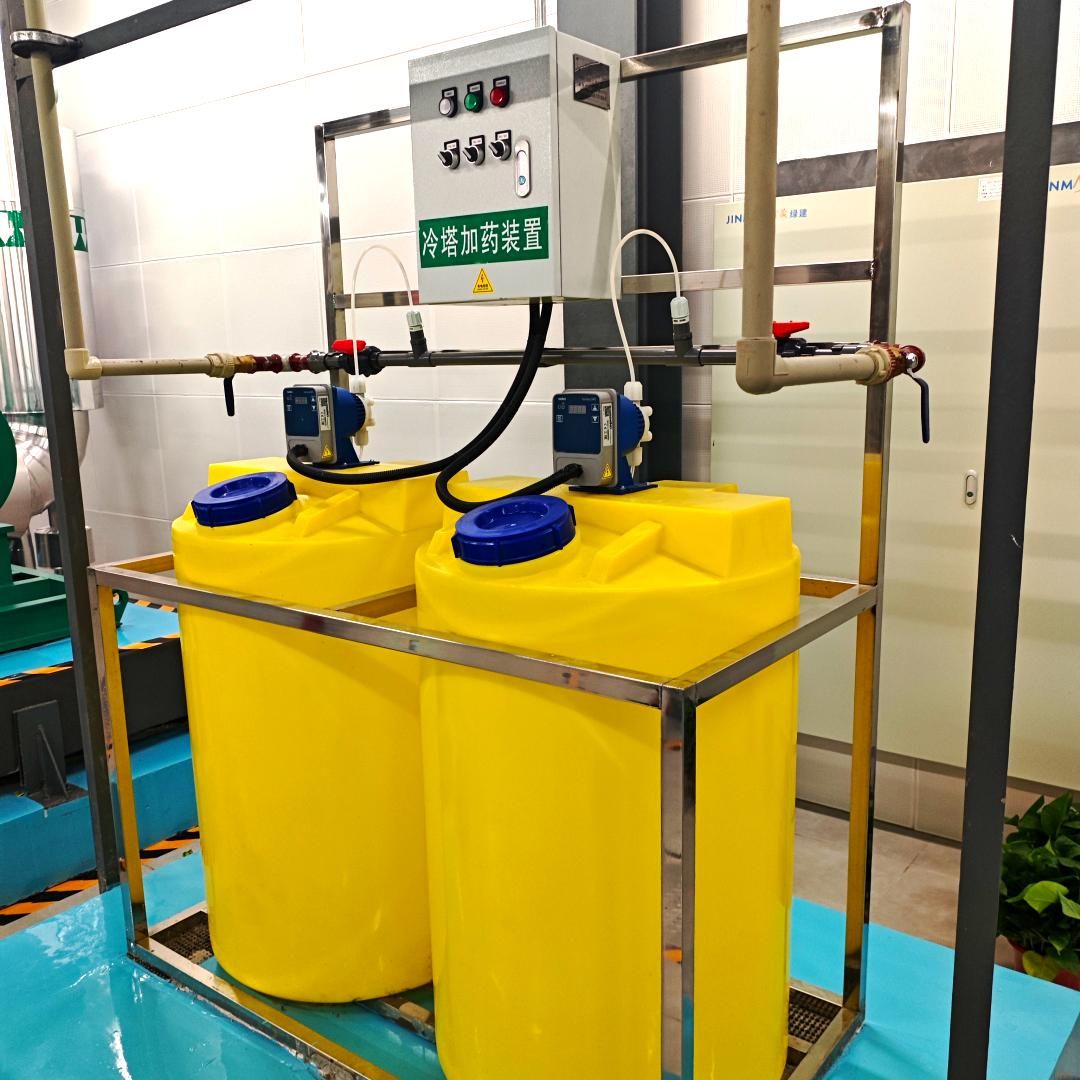
Application scope: circulating cooling water systems, cooling towers, condensers, central air-conditioning circulation, boiler-related water treatment support, and RO pretreatment where formulation is confirmed suitable
Shelf life: 12 months under sealed and shaded storage conditions
OEM/ODM: private label supported
Certification claimed by supplier page: ISO9001, ISO45001, ISO14001; request current certificates and issuing body details
CAS check: likely formulated mixture rather than single-CAS chemical; request full compositional disclosure to the extent available, CAS list for regulated components, and SDS Section 3 disclosure
Who uses this page
Target buyers
Water treatment chemical distributors
RO system integrators and membrane service companies
Cooling tower maintenance chemical suppliers
Industrial water treatment contractors
Private-label chemical brands
Procurement teams for petrochemical, power, steel, HVAC, and general industrial plants
Before matching
Documents to check
CAS number, grade, assay, and impurity profile
SDS, COA, TDS, HS code, and transport classification
Destination-market import documents before supplier matching
Package and route
Packing notes
Listed export packs include 25 kg pail, 50 kg drum, 200 kg drum, and IBC tank; source page also references 25 kg / 200 kg / 1000 kg packaging.
Confirm packaging material compatibility with acidic liquid pH 1–3.
Request palletization, inner seal type, drum dimensions, net/gross weight, and container loading plan.
Confirm label language, OEM/private-label artwork requirements, batch coding, production date, shelf-life marking, and country-of-origin marking.
Ask whether samples are available and confirm sample quantity, courier eligibility, and export paperwork for sample shipment.
Applications and sourcing options
Check whether this product fits the buyer's actual application.
Clear application, grade, package, and document notes help separate real sourcing demand from a vague price check.
Use context
Common applications
Cooling tower scale-control chemical sourcing
Industrial circulating water treatment procurement
RO pretreatment antiscalant candidate screening
OEM/private-label water treatment chemical supply
Distributor bulk repacking or regional resale subject to local compliance checks
Trial qualification against buyer water analysis and system conditions
How we compare
Sourcing options
Bulk industrial grade antiscalant
Low-phosphorus formulation option
Phosphorus-free formulation option subject to verification
OEM/private-label packaging
Sample order for laboratory compatibility testing
25 kg pail, 200 kg drum, or IBC export shipment
Human review
Compliance notes
Request SDS in GHS format, COA by batch, TDS, product label, packing list, commercial invoice, and certificate of origin before shipment.
Do not rely on generic eco-friendly or regulation-compliant claims; verify phosphorus content, restricted substances, aquatic toxicity classification, and destination-market requirements independently.
Confirm whether the product is classified as dangerous goods for sea, air, road, or rail transport; acidic pH may trigger corrosive classification depending on composition and test data.
Request HS code proposal and confirm with customs broker in the destination country.
For RO use, request membrane compatibility data and confirmation for the intended membrane supplier and operating conditions.
For boiler or cooling applications, request chloride, sulfate, iron, heavy metals, insolubles, freezing point, viscosity, and active ingredient range if relevant to procurement specs.
Verify whether the formulation contains phosphonates, polycarboxylates, organic acids, zinc salts, molybdate, nitrite, amines, biocides, or other regulated components.
Confirm export eligibility, documentation lead time, and any destination-specific restrictions before order placement.
Buyer search paths
Related sourcing terms
These terms support long-tail discovery while keeping the page focused on useful product and China export buying context.
RO antiscalant manufacturer Chinaindustrial antiscalant suppliercooling tower scale inhibitorboiler water treatment chemicallow phosphorus antiscalantphosphorus free antiscalantOEM water treatment chemicalscirculating water scale inhibitorprivate label antiscalantChina water treatment chemical supplier
Related product options
Build a broader quote package from adjacent options.
Buyers often compare neighboring grades, forms, or route options before sending one consolidated RFQ.
Share target market, quantity, packaging scope, artwork status, delivery destination, and required documents so CHN Chemicals can prepare a cleaner supplier comparison.
Questions to confirm
Is this product a proprietary blend or a standardized formulation? Please provide CAS numbers for reportable components as disclosed in SDS Section 3.
What is the active content range and the specific scale-inhibition chemistry: phosphonate, polycarboxylate, polymeric dispersant, phosphorus-free polymer, or blended corrosion/scale inhibitor?
What is the total phosphorus content as P or PO4, and can phosphorus-free grade be supplied with batch COA confirmation?
Please provide current TDS, SDS, sample COA, and a recent batch COA showing pH, density, appearance, active matter, phosphorus level, and impurities.
Is the product recommended for RO antiscalant use, cooling tower use, boiler-related use, or are these separate formulations?
What are the impurity limits for chloride, sulfate, iron, heavy metals, insoluble matter, and residual monomers?
What is the DG transport classification under IMDG, IATA, ADR/RID, and China export rules? If non-DG, please provide written non-DG support documentation.
Can you supply 25 kg, 200 kg, and 1000 kg IBC packaging with OEM labels, batch traceability, and export markings?
Checks before quote
Request SDS in GHS format, COA by batch, TDS, product label, packing list, commercial invoice, and certificate of origin before shipment.
Do not rely on generic eco-friendly or regulation-compliant claims; verify phosphorus content, restricted substances, aquatic toxicity classification, and destination-market requirements independently.
Confirm whether the product is classified as dangerous goods for sea, air, road, or rail transport; acidic pH may trigger corrosive classification depending on composition and test data.
Request HS code proposal and confirm with customs broker in the destination country.
For RO use, request membrane compatibility data and confirmation for the intended membrane supplier and operating conditions.
For boiler or cooling applications, request chloride, sulfate, iron, heavy metals, insolubles, freezing point, viscosity, and active ingredient range if relevant to procurement specs.
Verify whether the formulation contains phosphonates, polycarboxylates, organic acids, zinc salts, molybdate, nitrite, amines, biocides, or other regulated components.
Confirm export eligibility, documentation lead time, and any destination-specific restrictions before order placement.
Next step
Send the product page with your target quantity and market. A sourcing manager can then confirm sample options, supplier fit, packaging details, and open document gaps.