Phosphorus-Free RO Membrane Antiscalant, Industrial Water Treatment Grade
Industrial liquid antiscalant candidate for reverse osmosis, nanofiltration, ultrafiltration, CA, and TFC membrane systems. Buyer should verify the exact formulation identity, active content, CAS or mixture disclosure status, SDS, COA, and membrane compatibility before procurement. Reported as a phosphorus-free acidic liquid with pH 2.0–5.0 at 1% solution, specific gravity ≥1.05, and supplied in 25 kg plastic drums or customized packing.
Quick buying facts
Identify the grade, package, and import market before comparing suppliers.
Use this page to check the product identity, common specification points, document scope, package notes, and destination-market questions before sending a China sourcing request.
CAS status: likely proprietary mixture; buyer should request component disclosure level and applicable CAS numbers where availableRO membrane antiscalant / phosphorus-free scale inhibitor for industrial water treatmentCandidate for RFQ after SDS, COA, CAS/mixture, DG, and phosphorus-spec verification
Product name: phosphorus-free special scale inhibitor / RO membrane antiscalant
Model reference: ProtectMBC 1503W
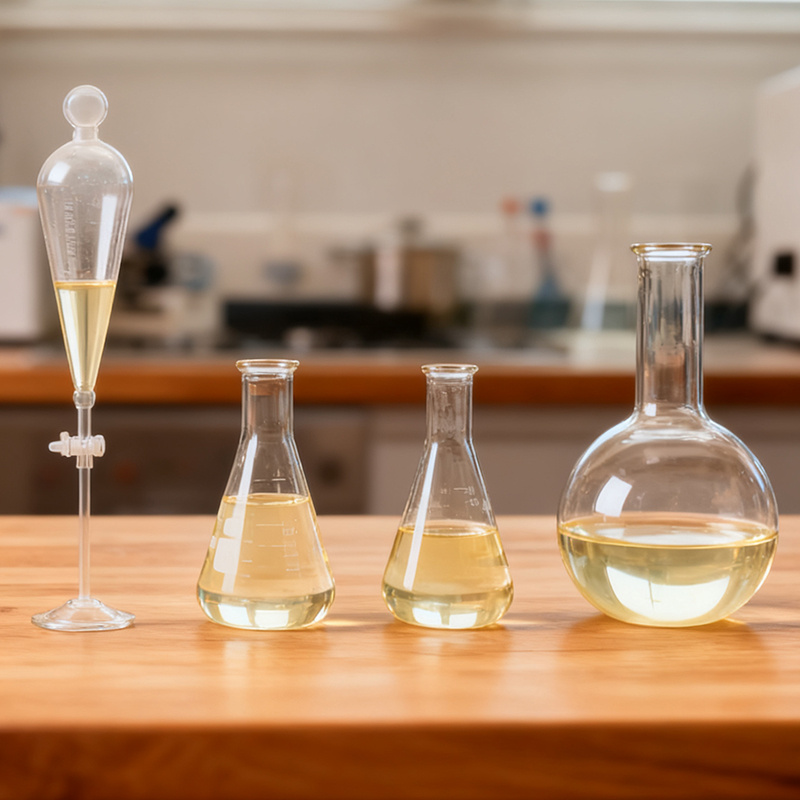
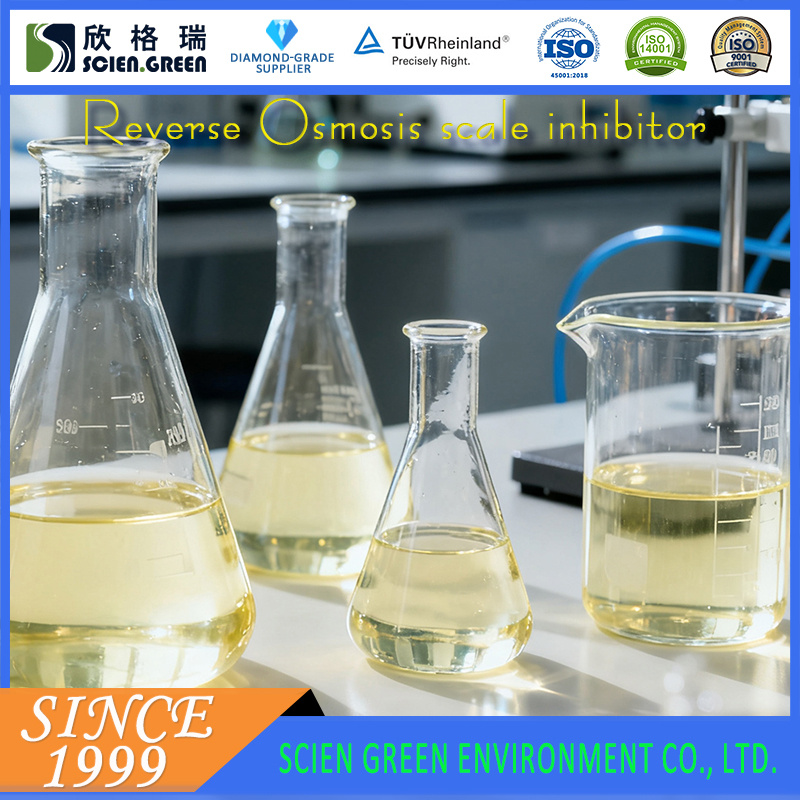
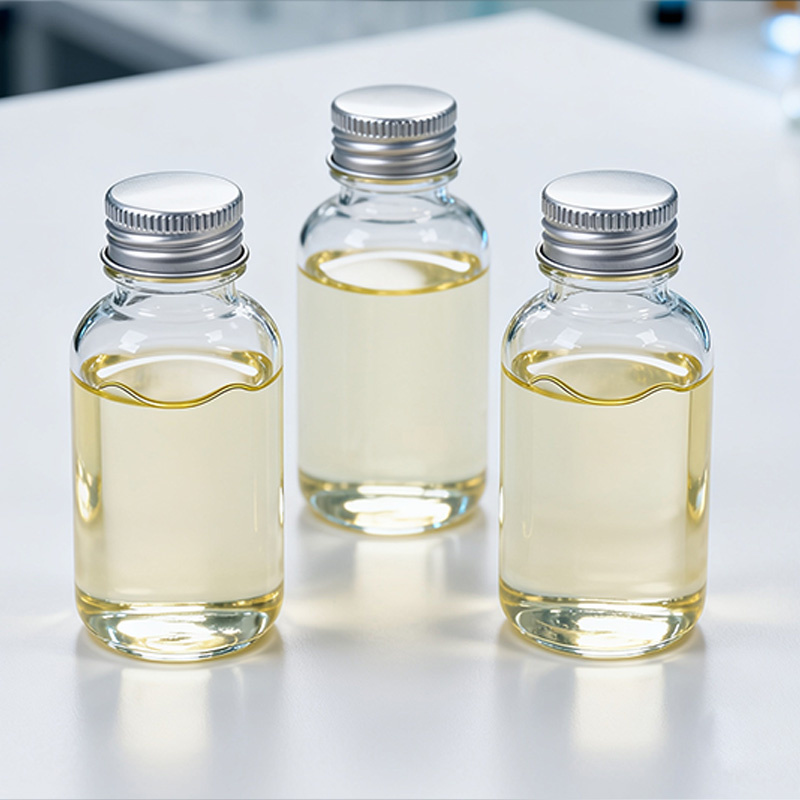
Appearance: colorless or light yellow transparent liquid
Grade: industrial water treatment grade
pH: 2.0–5.0, reported for 1% solution
Specific gravity: ≥1.05
Formula claim: phosphorus-free formulation
Compatibility claim: for reverse osmosis CA and TFC membranes, nanofiltration membranes, and ultrafiltration membranes
Feed water pH range claim: effective for pH 5–9, subject to site verification
Impurity / interaction point: supplier states it does not coalesce with iron, aluminum, or their oxides to form insoluble substances
CAS status: likely proprietary mixture; buyer should request component disclosure level and applicable CAS numbers where available
Production capacity stated: 15000 tons/year
Who uses this page
Target buyers
Bangladesh RO plant chemical distributors
Industrial water treatment service companies
Power plant and boiler-feed water treatment buyers
Textile dyeing and finishing plant utilities teams
Fertilizer and chemical plant water treatment procurement teams
Paper mill water treatment operators
Pure water plant operators and EPC contractors
Membrane system integrators seeking phosphorus-free antiscalant options
Before matching
Documents to check
CAS number, grade, assay, and impurity profile
SDS, COA, TDS, HS code, and transport classification
Destination-market import documents before supplier matching
Package and route
Packing notes
Standard packing reported: 25 kg per plastic drum
Alternative packing may be available according to customer requirements
Listed package reference: palletized shipment with gross weight around 1057 kg, to be confirmed per order
For Bangladesh import planning, request pallet dimensions, net weight, gross weight, drum material, cap/seal type, and container loading quantity
Ask whether drums are export-grade, leak-tested, and suitable for sea freight conditions
Applications and sourcing options
Check whether this product fits the buyer's actual application.
Clear application, grade, package, and document notes help separate real sourcing demand from a vague price check.
Use context
Common applications
Reverse osmosis membrane scale control candidate
Nanofiltration and ultrafiltration pretreatment chemical candidate
Industrial circulating water treatment program component
Water treatment programs where phosphorus-free chemistry is preferred
Plants evaluating reduction of phosphate precipitation or nutrient-related fouling concerns
General industrial membrane system maintenance programs subject to technical validation
How we compare
Sourcing options
Request sample plus SDS, TDS, and COA before bulk purchase
Compare against equivalent RO antiscalants from multiple audited suppliers
Ask for Bangladesh sea-freight quotation for 25 kg drums and palletized cargo
Request private-label or neutral-label availability only where compliant with import labeling rules
Consider supplier factory audit, third-party pre-shipment inspection, and batch sampling for first orders
Negotiate specification-bound contract terms covering pH, specific gravity, phosphorus limit, appearance, packing, shelf life, and documentation
Human review
Compliance notes
Request latest SDS in English before ordering; confirm GHS classification, UN number status, and transport classification
Confirm whether the product is regulated as dangerous goods for sea or air transport; do not rely on marketplace category labels
Request COA for each batch covering appearance, pH, specific gravity, and any agreed active-content or performance indicators
Ask for TDS, membrane compatibility statement, and any available third-party or customer application references
Confirm whether the formulation is phosphorus-free by analytical basis or formulation declaration, and request phosphorus content limit if required for discharge compliance
For Bangladesh sourcing, importer should verify local chemical import requirements, customs HS code, labeling rules, and environmental documentation with licensed local advisers
No regulatory approval, discharge compliance, or membrane performance guarantee should be assumed without buyer-side validation and site-specific testing
Buyer search paths
Related sourcing terms
These terms support long-tail discovery while keeping the page focused on useful product and China export buying context.
RO antiscalant supplier Bangladeshphosphorus-free antiscalantreverse osmosis membrane scale inhibitorindustrial water treatment chemicalacidic liquid antiscalantTFC membrane antiscalantCA membrane antiscalantnanofiltration antiscalantultrafiltration scale inhibitorphosphate-free water treatment chemicalBangladesh water treatment chemical import
Related product options
Build a broader quote package from adjacent options.
Buyers often compare neighboring grades, forms, or route options before sending one consolidated RFQ.
Share target market, quantity, packaging scope, artwork status, delivery destination, and required documents so CHN Chemicals can prepare a cleaner supplier comparison.
Questions to confirm
What is the exact CAS status: single substance, preparation, or proprietary mixture? Can component CAS numbers be disclosed under NDA if required for import review?
Can you provide current SDS, TDS, COA template, and sample COA from the latest batch?
What are the controlled QC parameters besides pH and specific gravity, such as solids content, active content, density range, chloride, iron, phosphate/phosphorus limit, or microbial count?
What is the confirmed phosphorus content or maximum phosphorus specification?
Is the product classified as dangerous goods for IMDG sea freight or IATA air freight? Please provide transport section from SDS.
What HS code do you normally use for export, and can you provide prior export documentation examples with sensitive details removed?
Is the material compatible with the buyer’s membrane brand and model, including CA, TFC, NF, or UF membranes?
Can you supply a small evaluation sample and matching COA before bulk RFQ?
Checks before quote
Request latest SDS in English before ordering; confirm GHS classification, UN number status, and transport classification
Confirm whether the product is regulated as dangerous goods for sea or air transport; do not rely on marketplace category labels
Request COA for each batch covering appearance, pH, specific gravity, and any agreed active-content or performance indicators
Ask for TDS, membrane compatibility statement, and any available third-party or customer application references
Confirm whether the formulation is phosphorus-free by analytical basis or formulation declaration, and request phosphorus content limit if required for discharge compliance
For Bangladesh sourcing, importer should verify local chemical import requirements, customs HS code, labeling rules, and environmental documentation with licensed local advisers
No regulatory approval, discharge compliance, or membrane performance guarantee should be assumed without buyer-side validation and site-specific testing
Next step
Send the product page with your target quantity and market. A sourcing manager can then confirm sample options, supplier fit, packaging details, and open document gaps.