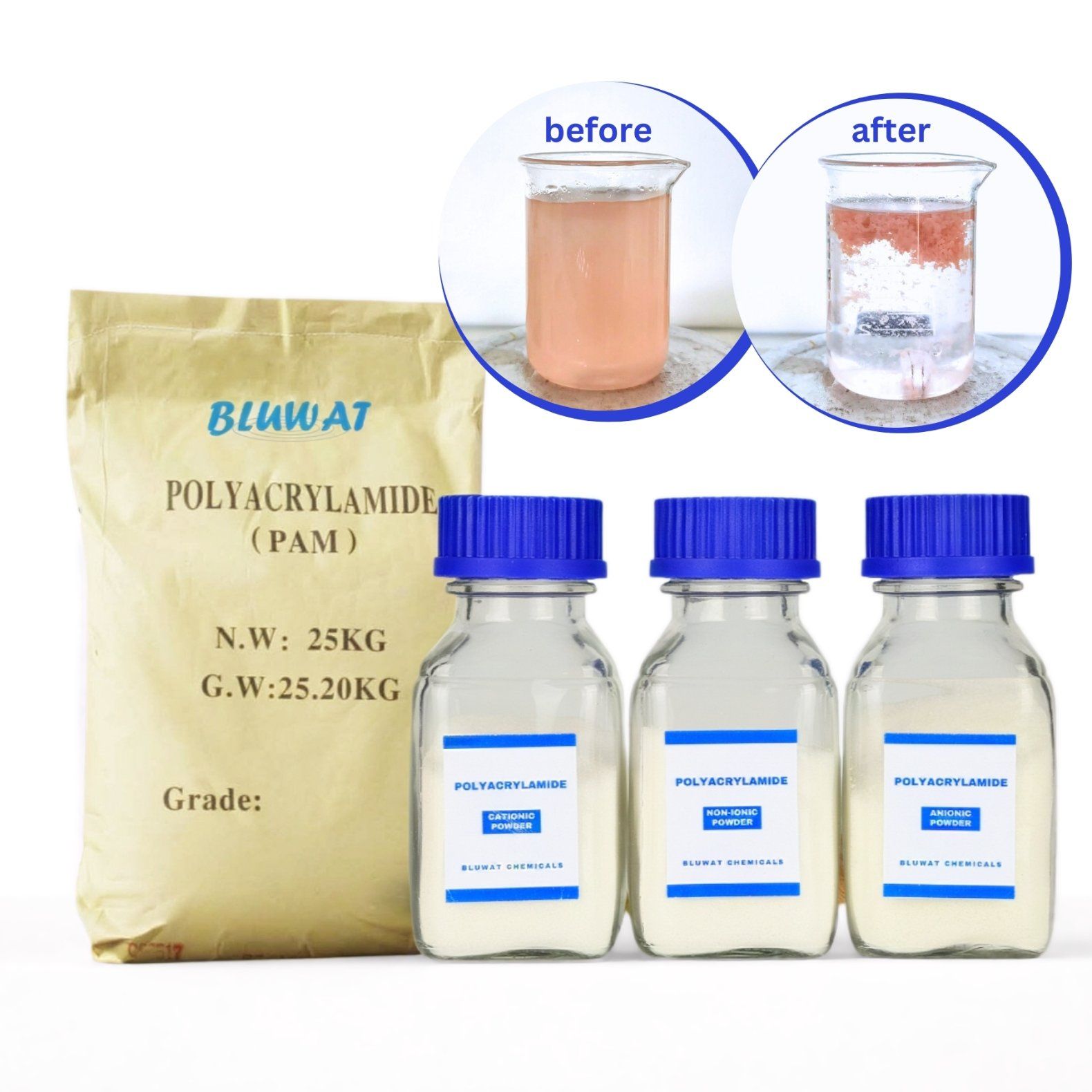
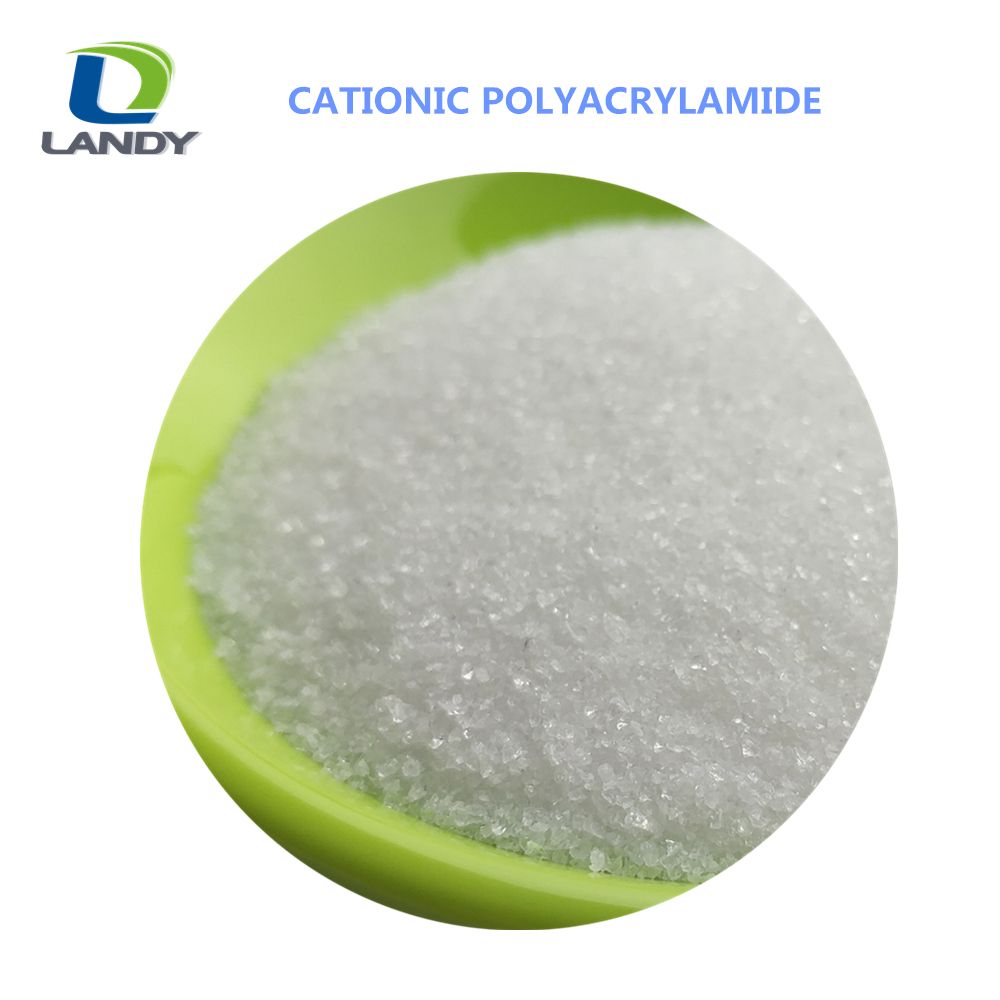
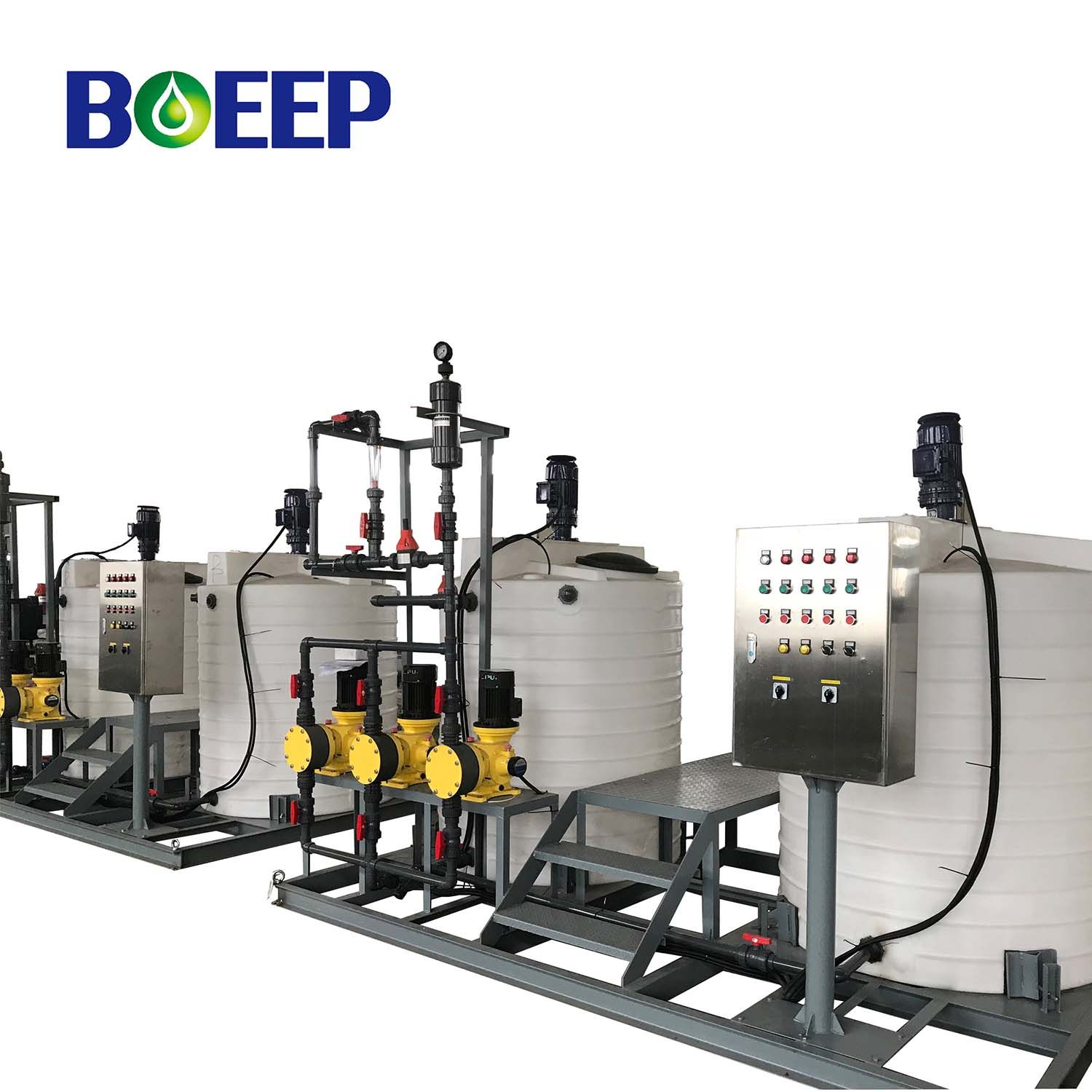
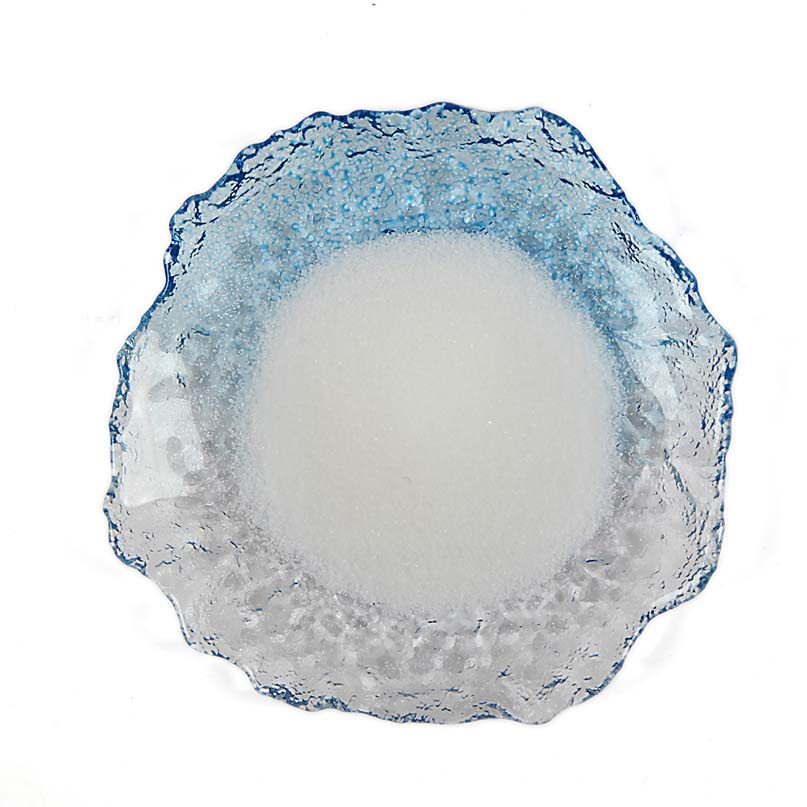
Polyacrylamide PAM Flocculant, CAS 9003-05-8, Anionic/Cationic/Nonionic Grades
China-origin polyacrylamide PAM water-soluble polymer candidate for buyers sourcing flocculant grades by ionic type, molecular weight, charge density, solid content, residual acrylamide limit, mesh size, packing, and export document readiness. Suitable RFQs should specify application water profile, required ionic grade, target molecular weight range, charge density, residual monomer requirement, and destination compliance documentation.
Quick buying facts
Identify the grade, package, and import market before comparing suppliers.
Use this page to check the product identity, common specification points, document scope, package notes, and destination-market questions before sending a China sourcing request.
CAS No.: 9003-05-8Water treatment polymer / polyacrylamide flocculantPublic sourcing candidate - verify grade, residual monomer, documents, and export classification
Tailings thickening and water recovery chemical supply
Coal washing wastewater treatment procurement
Paper and textile wastewater treatment chemical programs
Trial sample screening for plant-specific flocculation performance
Distributor private-label or regional stock program evaluation
How we compare
Sourcing options
Factory-direct China supply with grade selection by ionic type, molecular weight, and charge density.
Trial sample followed by jar-test confirmation and batch-specific commercial quotation.
Bulk 25 kg bag export shipment with buyer-specified documentation package.
Third-party pre-shipment inspection option for COA verification and packing check.
Multi-grade RFQ covering anionic, cationic, and nonionic PAM for different treatment lines.
Human review
Compliance notes
Request current SDS, COA, TDS/specification sheet, product label, and certificate of origin for the exact grade quoted.
Confirm whether the quoted grade is classified as dangerous goods for the destination route; do not rely only on generic product family descriptions.
Verify residual acrylamide specification and analytical method against buyer market requirements, especially for municipal, potable-adjacent, or regulated water treatment applications.
Confirm any food-contact, drinking-water, halal, ISO, SGS, or third-party claims with certificate copies and scope validity before commercial use.
Check destination import requirements, polymer registration status, and local water-treatment chemical approvals with qualified compliance personnel.
Ensure the supplier can provide batch traceability and pre-shipment inspection support for solid content, viscosity, ionicity, mesh size, and residual monomer where required.
Buyer search paths
Related sourcing terms
These terms support long-tail discovery while keeping the page focused on useful product and China export buying context.
Share target market, quantity, packaging scope, artwork status, delivery destination, and required documents so CHN Chemicals can prepare a cleaner supplier comparison.
Questions to confirm
Which ionic type is required: anionic, cationic, or nonionic?
What target molecular weight range and charge density are needed for the application?
What residual acrylamide limit and test method must the batch meet?
Can the supplier provide recent COA samples for the exact grade, not only a general catalog specification?
What is the intended application water profile, including pH, TSS, salinity, temperature, and sludge or solids type?
Is jar-test support or sample screening available before bulk order?
What is the standard lead time for trial, first commercial order, and repeat shipments?
What packing, pallet, and container loading options are available for the destination port?
Checks before quote
Request current SDS, COA, TDS/specification sheet, product label, and certificate of origin for the exact grade quoted.
Confirm whether the quoted grade is classified as dangerous goods for the destination route; do not rely only on generic product family descriptions.
Verify residual acrylamide specification and analytical method against buyer market requirements, especially for municipal, potable-adjacent, or regulated water treatment applications.
Confirm any food-contact, drinking-water, halal, ISO, SGS, or third-party claims with certificate copies and scope validity before commercial use.
Check destination import requirements, polymer registration status, and local water-treatment chemical approvals with qualified compliance personnel.
Ensure the supplier can provide batch traceability and pre-shipment inspection support for solid content, viscosity, ionicity, mesh size, and residual monomer where required.
Next step
Send the product page with your target quantity and market. A sourcing manager can then confirm sample options, supplier fit, packaging details, and open document gaps.