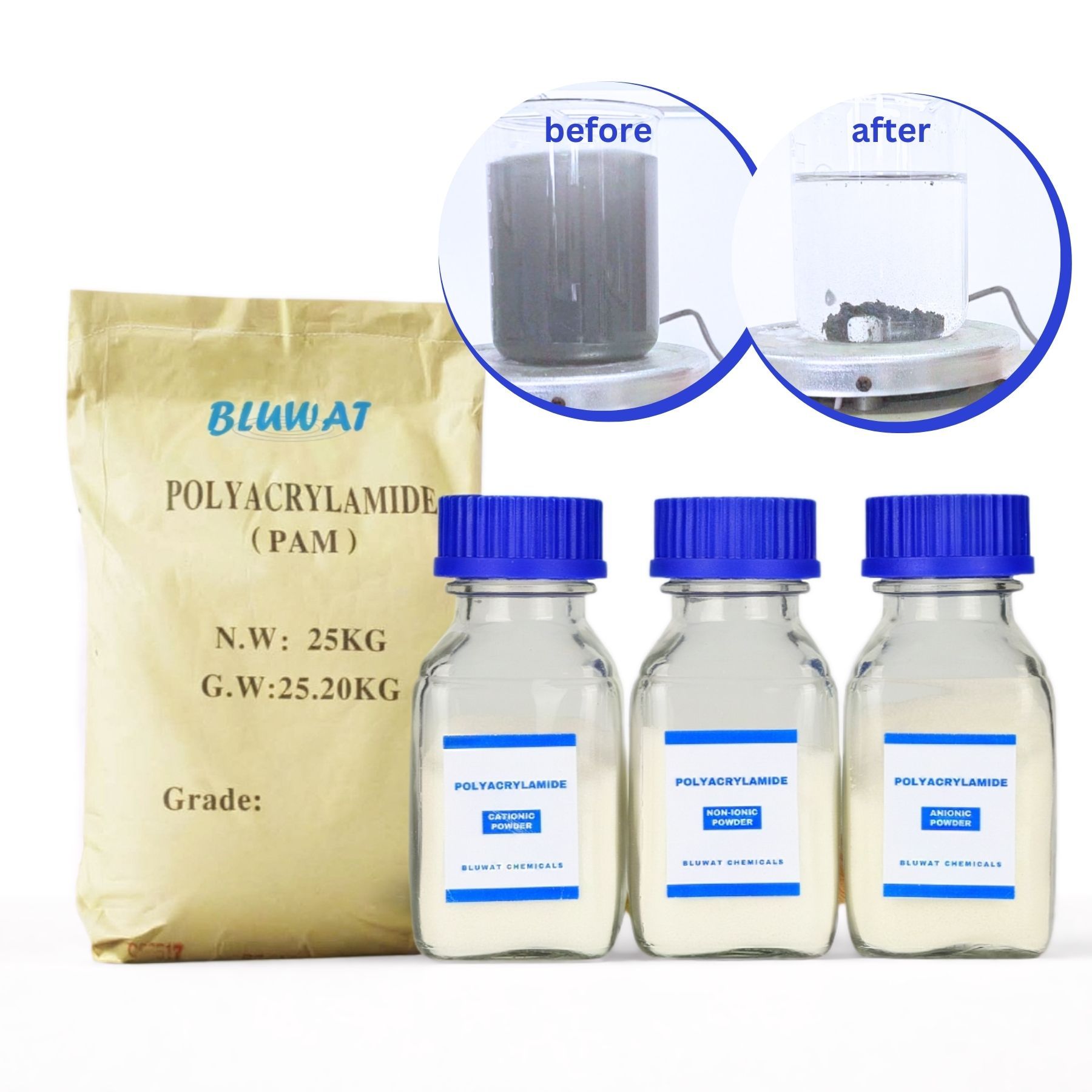
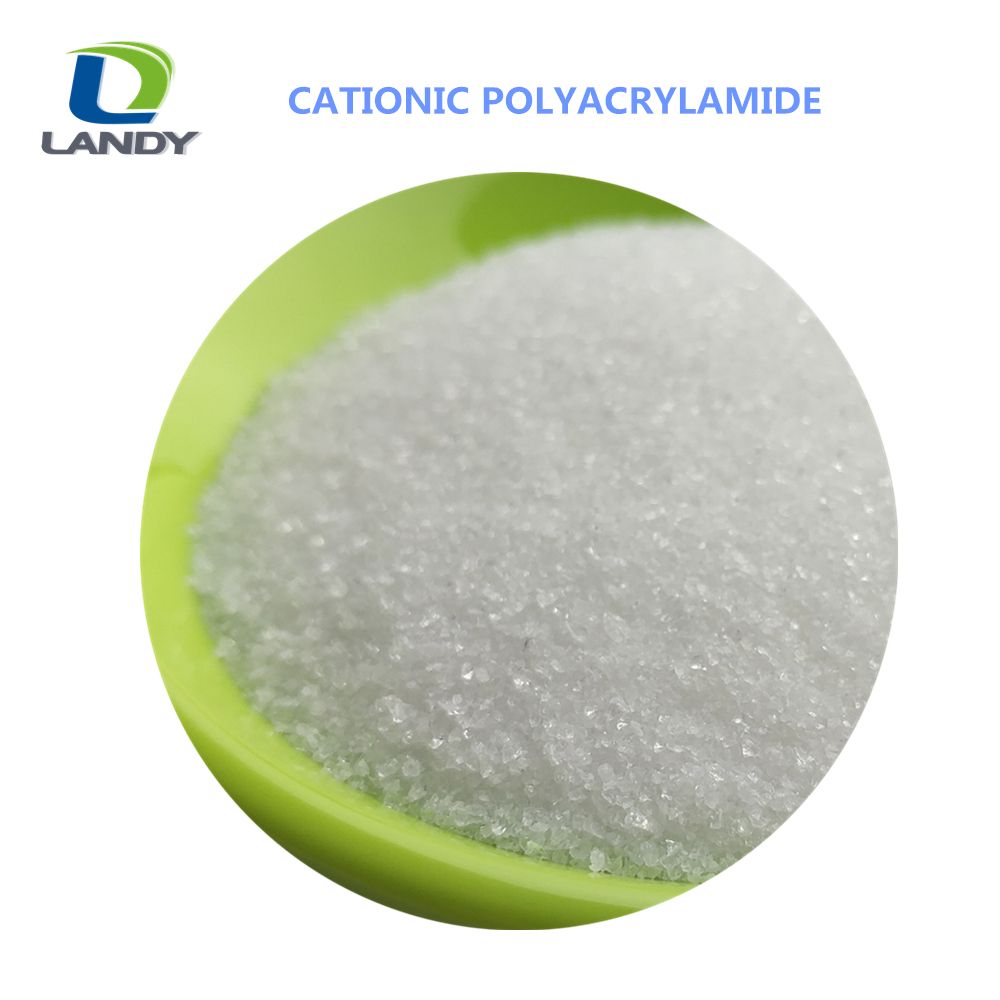
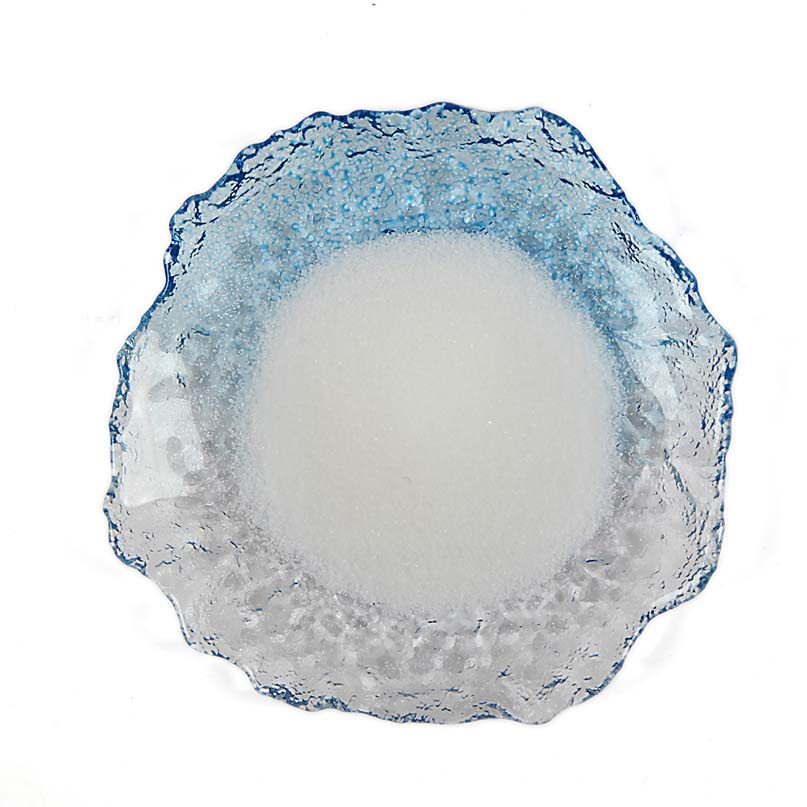
Polyacrylamide PAM Flocculant for Sludge Dewatering, CAS 9003-05-8
Water-soluble polyacrylamide polymer candidate for sludge dewatering and wastewater flocculation RFQs. Buyer should confirm CAS 9003-05-8, ionic type required, charge density, molecular weight range, solid content, residual monomer limits, application grade, packing, SDS/COA availability, and export documentation before purchase.
Quick buying facts
Identify the grade, package, and import market before comparing suppliers.
Use this page to check the product identity, common specification points, document scope, package notes, and destination-market questions before sending a China sourcing request.
CAS No.: 9003-05-8Water treatment polymer / polyacrylamide flocculantCandidate for RFQ after grade, impurity, and document verification
Confirm whether dry powder or emulsion format is being quoted, as packing and transport classification may differ
Request batch number, manufacturing date, shelf-life statement, and storage-condition statement on label or COA
Confirm sample quantity, courier feasibility, and whether sample represents commercial production grade
Applications and sourcing options
Check whether this product fits the buyer's actual application.
Clear application, grade, package, and document notes help separate real sourcing demand from a vague price check.
Use context
Common applications
Sludge dewatering chemical program where the buyer needs PAM grade selection by jar test
Industrial wastewater flocculation for improved solid-liquid separation
Municipal or industrial clarifier support when compatible with local treatment design
Paper mill, textile, mining, or oilfield wastewater applications subject to end-use qualification
Distributor stocking of 25 kg bagged PAM grades for local water treatment customers
How we compare
Sourcing options
Request 2-5 PAM grades with different ionic type, charge density, and molecular weight for application screening
Start with sample or pilot-scale order before container procurement
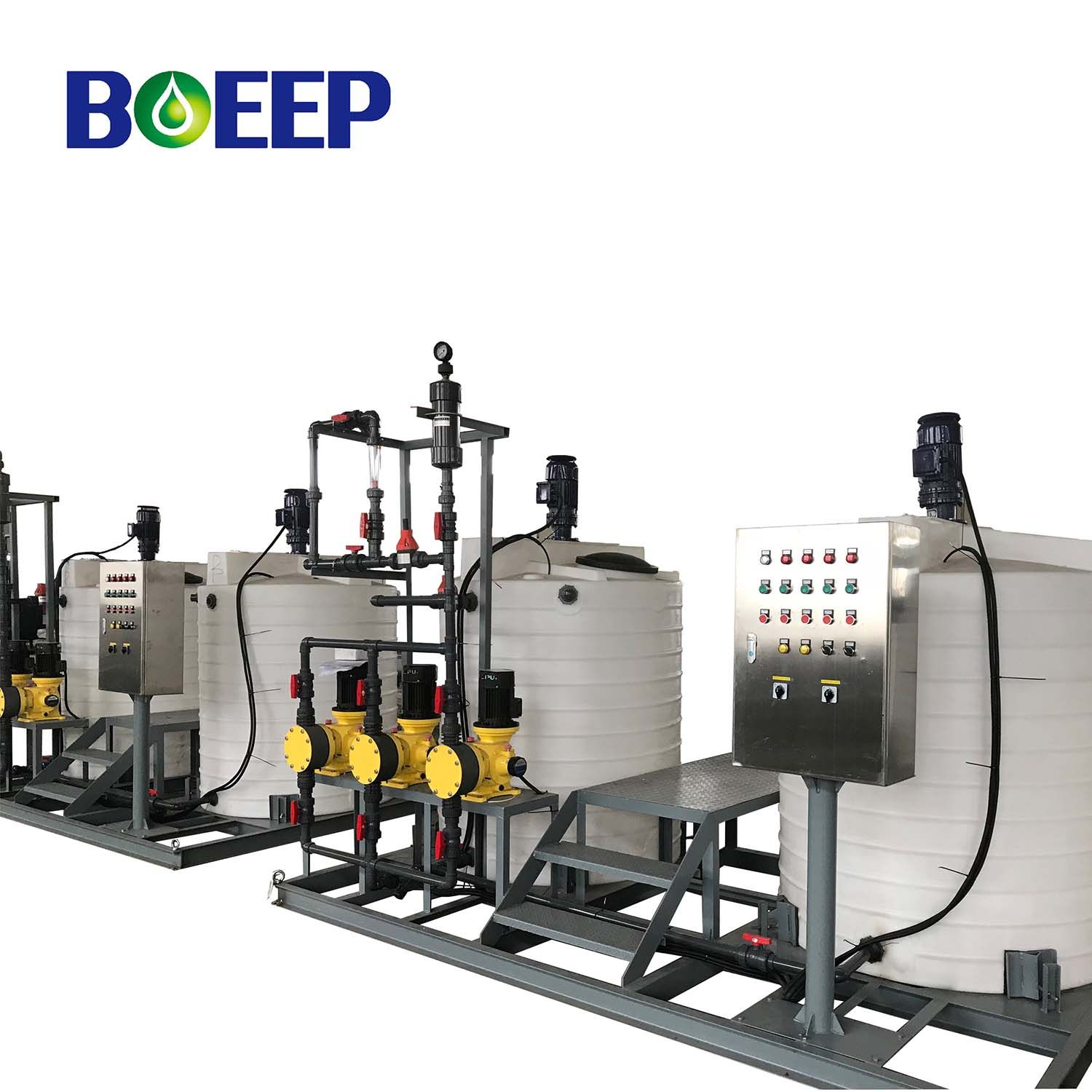
Compare dry powder versus emulsion format if dosing equipment, dissolution time, and freight conditions matter
Ask for private label or neutral bagging only after verifying documentation and traceability
Use third-party lab verification for residual monomer, solid content, and performance parameters when required by buyer QA
Human review
Compliance notes
Request current SDS in the destination-market language and format before shipment
Request COA showing solid content, ionic type, molecular weight range, charge density, viscosity or dissolution performance if applicable, pH, insolubles, and residual acrylamide monomer
Residual acrylamide monomer is a key impurity point for PAM; buyer should define acceptable ppm limit according to end-use and local requirements
Confirm whether the material is intended for industrial wastewater/sludge dewatering only or suitable for any regulated water-contact application
Confirm ISO certificate scope, manufacturer name, production site, and whether the quoted product is from the audited facility
Check destination-country chemical inventory status, polymer notification rules, and water-treatment chemical approval requirements with local counsel or importer
DG/export awareness: dry PAM powder is often shipped as non-dangerous cargo, but classification must be confirmed from the latest SDS and transport documents
Do not rely on marketplace claims as regulatory approval; verify all import, labeling, and use restrictions independently
Buyer search paths
Related sourcing terms
These terms support long-tail discovery while keeping the page focused on useful product and China export buying context.
polyacrylamide CAS 9003-05-8PAM flocculantanionic polyacrylamidecationic polyacrylamidenonionic polyacrylamidesludge dewatering polymerwastewater flocculantwater treatment polymerPAM granular powderpolyacrylamide for sewage treatment
Related product options
Build a broader quote package from adjacent options.
Buyers often compare neighboring grades, forms, or route options before sending one consolidated RFQ.
Share target market, quantity, packaging scope, artwork status, delivery destination, and required documents so CHN Chemicals can prepare a cleaner supplier comparison.
Questions to confirm
Please confirm the exact product grade: anionic, cationic, or nonionic PAM for sludge dewatering.
What charge density and molecular weight range do you recommend for our sludge type, and can you provide several grades for jar testing?
Please provide a recent COA and SDS for the same grade being quoted.
What is the residual acrylamide monomer specification in ppm, and is it tested batch by batch?
What are the standard parameters on the COA: solid content, viscosity, dissolution time, insolubles, pH, charge density, molecular weight, and moisture?
Is the product supplied only as dry granular powder, or are emulsion grades also available?
What is the MOQ, sample quantity, sample lead time, and whether the sample matches commercial production?
What packing options are available: 25 kg bags, palletized bags, jumbo bags, or private-label packaging?
Checks before quote
Request current SDS in the destination-market language and format before shipment
Request COA showing solid content, ionic type, molecular weight range, charge density, viscosity or dissolution performance if applicable, pH, insolubles, and residual acrylamide monomer
Residual acrylamide monomer is a key impurity point for PAM; buyer should define acceptable ppm limit according to end-use and local requirements
Confirm whether the material is intended for industrial wastewater/sludge dewatering only or suitable for any regulated water-contact application
Confirm ISO certificate scope, manufacturer name, production site, and whether the quoted product is from the audited facility
Check destination-country chemical inventory status, polymer notification rules, and water-treatment chemical approval requirements with local counsel or importer
DG/export awareness: dry PAM powder is often shipped as non-dangerous cargo, but classification must be confirmed from the latest SDS and transport documents
Do not rely on marketplace claims as regulatory approval; verify all import, labeling, and use restrictions independently
Next step
Send the product page with your target quantity and market. A sourcing manager can then confirm sample options, supplier fit, packaging details, and open document gaps.