Polyether Modified Trisiloxane Agrochemical Spray Adjuvant CAS 134180-76-0
Buyer-facing sourcing profile for a nonionic polyether modified trisiloxane spray adjuvant offered for agrochemical formulation and spray-spreader applications. Key checks for RFQ should include CAS confirmation, grade identity, active/siloxane content, viscosity, appearance, water dispersibility, pH-related stability data, impurity profile, packaging format, SDS/TDS/COA availability, and export documentation readiness.
Quick buying facts
Identify the grade, package, and import market before comparing suppliers.
Use this page to check the product identity, common specification points, document scope, package notes, and destination-market questions before sending a China sourcing request.
CAS No.: 134180-76-0 as listed by source; buyer should confirm CAS-to-product identity against COA/SDS and registration documentsAgrochemical adjuvant / organosilicone surfactant / polyether modified trisiloxaneHuman review
CAS No.: 134180-76-0 as listed by source; buyer should confirm CAS-to-product identity against COA/SDS and registration documents
Chemical description: polyalkyleneoxide modified heptamethyltrisiloxane / trisiloxane ethoxylate-type nonionic surfactant
Formula listed by source: (C2H4O)nC10H28O3Si3; verify with supplier technical data sheet
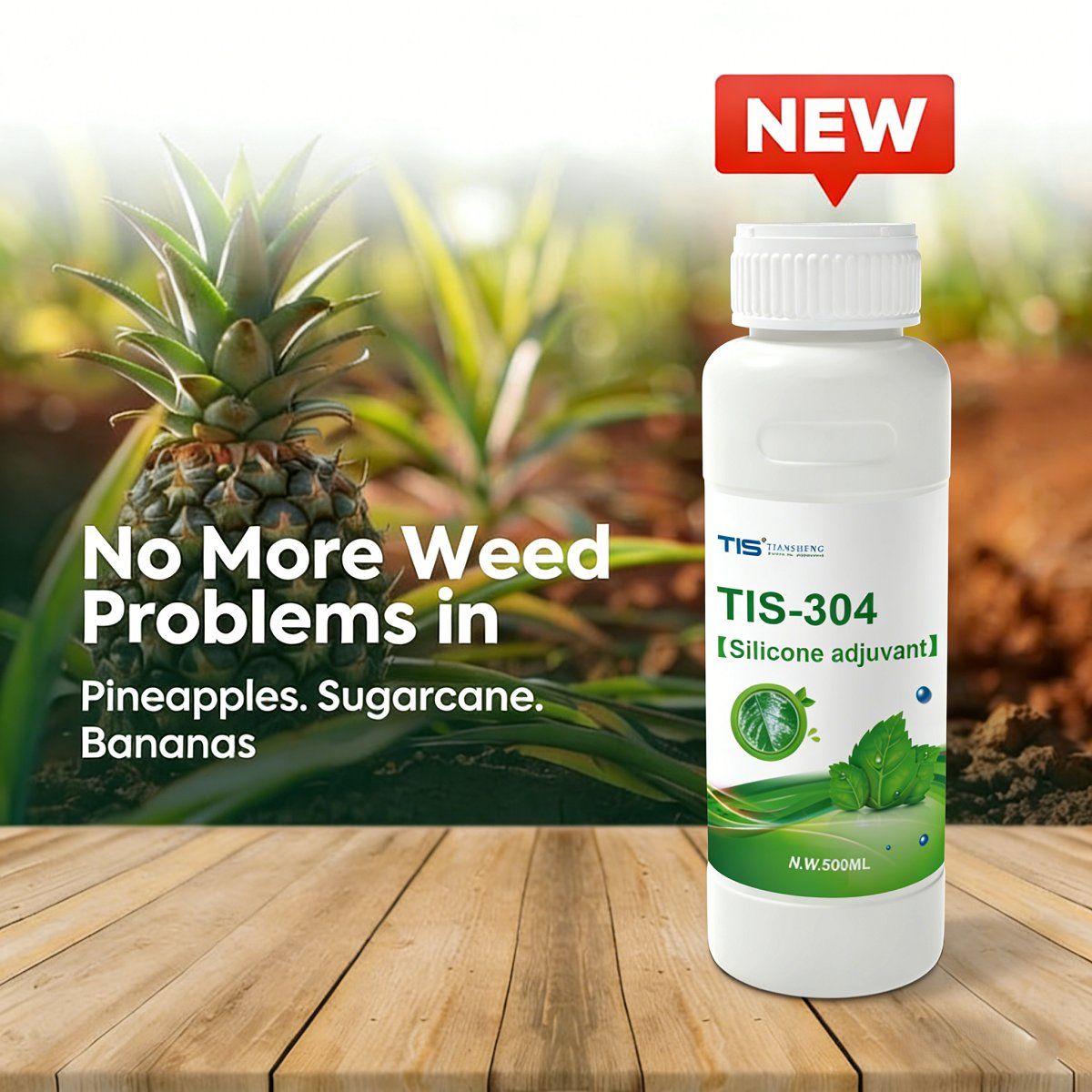
Model/grade referenced: TIS-304; source text also mentions TIS-327, so grade consistency should be clarified before quotation
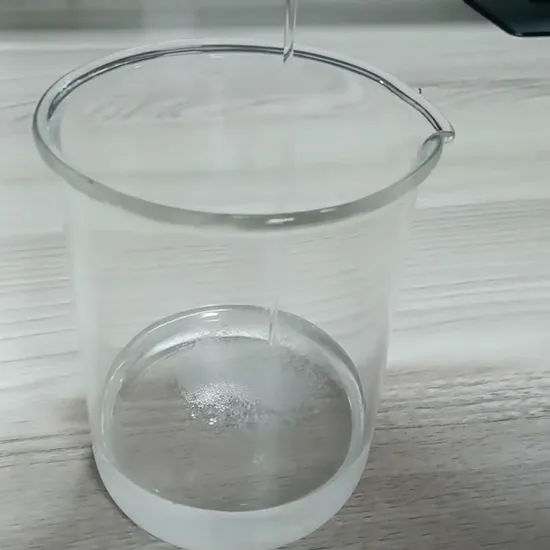
Appearance: light amber liquid
Function: nonionic superspreading surfactant for agrochemical formulations
Water behavior: listed as dispersible in water
Viscosity: about 30 cSt at 25°C as listed
Pour point: -8°C as listed
Flash point: 117°C as listed; confirm test method and transport classification
Surface tension performance: source claims <21.5 mN/m at 0.1 wt% aqueous solution; request supplier test method and batch data
Certifications claimed: REACH / ISO9001 / OMRI; request current certificates and scope verification
Who uses this page
Target buyers
Agrochemical formulation manufacturers
Crop protection product registrants
Adjuvant distributors and blenders
Agricultural input importers
Surfactant and specialty chemical distributors
Private-label agrochemical auxiliary suppliers
R&D and pilot-scale formulation teams requiring documented adjuvant samples
Before matching
Documents to check
CAS number, grade, assay, and impurity profile
SDS, COA, TDS, HS code, and transport classification
Destination-market import documents before supplier matching
Package and route
Packing notes
Quoted source packaging includes 200 kg drum and 1000 kg IBC options
Smaller packs are also listed: 25 kg, 1 kg, 500 ml, and 250 ml; confirm commercial availability for export orders
MOQ shown by source: 200 kg; sample pricing was displayed separately on the source page
Request UN-rated or export-suitable packaging confirmation if classified as dangerous goods in the destination lane
Ask for palletization details, net/gross weight, drum dimensions, and shelf-life labeling format
Confirm whether packaging is original manufacturer sealed and whether tamper-evident export labels are available
Applications and sourcing options
Check whether this product fits the buyer's actual application.
Clear application, grade, package, and document notes help separate real sourcing demand from a vague price check.
Use context
Common applications
Component screening for agrochemical adjuvant formulations
Sourcing evaluation for nonionic organosilicone surfactant supply
Replacement or dual-source qualification for polyether modified trisiloxane adjuvants
Export procurement where CAS, SDS, COA, and registration-support documents are required
Technical comparison of spray-spreader adjuvant grades by viscosity, surface tension, and water dispersibility
How we compare
Sourcing options
Request a document-first quotation with SDS, TDS, COA template, certification copies, packaging photo, and DG statement before price negotiation
Order a sealed sample with batch COA for independent lab confirmation of identity, viscosity, and surface tension
Compare 200 kg drum versus 1000 kg IBC pricing, lead time, and freight classification
Ask for current export references or shipment experience to the intended destination region
Use third-party inspection for batch sampling, labeling, packaging integrity, and document matching before shipment
Qualify at least two equivalent grades if the source page has inconsistent TIS-304/TIS-327 references
Human review
Compliance notes
This is an agrochemical adjuvant candidate; buyers should verify whether it is regulated as an inert ingredient, co-formulant, adjuvant, surfactant, or pesticide-related component in the destination market
CAS No. 134180-76-0 and product grade should be checked against SDS, TDS, COA, REACH documentation, and any local agrochemical registration requirements
The source references REACH, ISO9001, and OMRI; request current dated certificates, registration holder details, and coverage for the exact product grade
Request SDS in the destination language/format, including GHS classification, transport section, exposure controls, and ecological information
Flash point is listed as 117°C; DG/export status should be confirmed using the latest SDS and shipping lane requirements
Do not rely on marketplace claims for regulatory acceptance; obtain importer-side review before purchase
Ask whether the product contains residual solvents, cyclic siloxanes, low molecular weight siloxanes, EO/PO residues, or other impurities relevant to destination compliance
Confirm whether the supplier can provide non-GMO, OMRI, REACH, RoHS, TSCA, or other declarations only where applicable and documented
Buyer search paths
Related sourcing terms
These terms support long-tail discovery while keeping the page focused on useful product and China export buying context.
Share target market, quantity, packaging scope, artwork status, delivery destination, and required documents so CHN Chemicals can prepare a cleaner supplier comparison.
Questions to confirm
Please confirm the exact commercial grade: TIS-304 or TIS-327, and explain any difference between these grades.
Please provide current TDS, SDS, COA template, and a recent batch COA for CAS 134180-76-0.
What is the active content or assay basis used for this polyether modified trisiloxane adjuvant?
Can you provide impurity data for residual solvents, cyclic siloxanes, free polyether, water content, and heavy metals if tested?
What are the standard QC parameters: appearance, viscosity, surface tension, cloud point, pH, water content, and density?
Is the listed flash point of 117°C closed cup or open cup, and what is the resulting transport classification?
Can you confirm DG status, UN number if applicable, packing group if applicable, and whether the product ships as non-dangerous cargo?
What export documents can be supplied: commercial invoice, packing list, COA, SDS, certificate of origin, REACH statement, OMRI certificate, and insurance policy if needed?
Checks before quote
This is an agrochemical adjuvant candidate; buyers should verify whether it is regulated as an inert ingredient, co-formulant, adjuvant, surfactant, or pesticide-related component in the destination market
CAS No. 134180-76-0 and product grade should be checked against SDS, TDS, COA, REACH documentation, and any local agrochemical registration requirements
The source references REACH, ISO9001, and OMRI; request current dated certificates, registration holder details, and coverage for the exact product grade
Request SDS in the destination language/format, including GHS classification, transport section, exposure controls, and ecological information
Flash point is listed as 117°C; DG/export status should be confirmed using the latest SDS and shipping lane requirements
Do not rely on marketplace claims for regulatory acceptance; obtain importer-side review before purchase
Ask whether the product contains residual solvents, cyclic siloxanes, low molecular weight siloxanes, EO/PO residues, or other impurities relevant to destination compliance
Confirm whether the supplier can provide non-GMO, OMRI, REACH, RoHS, TSCA, or other declarations only where applicable and documented
Next step
Send the product page with your target quantity and market. A sourcing manager can then confirm sample options, supplier fit, packaging details, and open document gaps.