Polyvinyl Alcohol (PVA) Resin 1788/2488/2499, CAS 9002-89-5, for Coatings and Adhesives Sourcing
Buyer-focused sourcing candidate for Polyvinyl Alcohol resin, CAS 9002-89-5, offered in common grades such as PVA 1788, 2488, and 2499 for coatings, adhesives, textile, dry mortar, paper processing, and emulsion applications. Key RFQ checks should confirm alcoholysis degree, viscosity range, volatile content, ash, pH, particle form, packaging, COA/SDS availability, export documents, and whether the quoted grade matches the intended formulation requirements.
Quick buying facts
Identify the grade, package, and import market before comparing suppliers.
Use this page to check the product identity, common specification points, document scope, package notes, and destination-market questions before sending a China sourcing request.
CAS No.: 9002-89-5Polymer resin / water-soluble polymer / polyvinyl alcohol resinCandidate for RFQ after grade, COA, SDS, HS code, and export-document verification
Grade selection should be confirmed by viscosity method, test concentration, temperature, and alcoholysis specification used by the supplier
Impurity points to confirm: residual acetate, sodium acetate or ash contributors, volatile matter/moisture, insoluble matter, iron/color impact, and particle-size distribution if required
Who uses this page
Target buyers
Coating resin formulators
Adhesive manufacturers
Textile sizing and finishing chemical buyers
Dry mortar and construction additive formulators
Paper processing chemical distributors
Emulsion polymerization and dispersant users
Industrial chemical distributors sourcing China-origin polymer resins
Private-label or contract-pack chemical buyers requiring batch documentation
Before matching
Documents to check
CAS number, grade, assay, and impurity profile
SDS, COA, TDS, HS code, and transport classification
Destination-market import documents before supplier matching
Package and route
Packing notes
Source listing indicates 25 kg per bag
Listed package dimensions: 75 cm × 45 cm × 30 cm, gross weight 25 kg
Confirm inner liner type, moisture barrier performance, palletization, container loading quantity, and whether packaging is export seaworthy
Confirm whether neutral bags, buyer label, batch label, and COA-to-batch matching are available
PVA is moisture-sensitive for quality consistency; request storage and shelf-life statement on supplier documentation without relying on marketplace claims
Applications and sourcing options
Check whether this product fits the buyer's actual application.
Clear application, grade, package, and document notes help separate real sourcing demand from a vague price check.
Use context
Common applications
Binder or film-forming component in water-based coatings after formulation validation
Adhesive formulation raw material where specified viscosity and alcoholysis degree are required
Textile sizing and finishing applications requiring consistent water-soluble polymer performance
Dry mortar or construction additive systems where PVA grade compatibility has been tested
Paper processing and surface treatment applications requiring controlled ash and volatile content
Emulsion, dispersant, and protective colloid applications subject to buyer’s internal qualification
How we compare
Sourcing options
Request quotation for PVA 1788 / 088-20 in 25 kg bags with batch COA
Request quotation for PVA 2488 / 088-50 in 25 kg bags with viscosity-method confirmation
Request quotation for PVA 2499 / 100-60 in 25 kg bags for high alcoholysis requirements
Request mixed-grade sample set for lab comparison before bulk purchase
Request palletized export packing with English labels and pre-shipment document review
Request supplier comparison based on COA consistency, HS-code accuracy, SDS quality, and repeat-lot availability
Human review
Compliance notes
Request current SDS in English, COA, TDS/specification sheet, packing list, commercial invoice, and certificate of origin before shipment
Confirm CAS 9002-89-5 and exact PVA grade on COA, SDS, label, and customs documents
Verify HS code with broker; source page lists HS Code 9021900090, which appears inconsistent for a polymer resin and should be checked before import declaration
Confirm dangerous goods classification with the supplier’s SDS and freight forwarder; PVA resin is commonly shipped as non-DG, but shipment status must be document-based
Check destination-country polymer inventory or chemical notification requirements where applicable, including REACH, TSCA, UK REACH, K-REACH, IECSC, AICS/AIIC, DSL/NDSL, or local inventory obligations as relevant
For food, pharmaceutical, medical, or regulated-contact applications, request grade-specific compliance documents; do not assume suitability from general-purpose industrial PVA listing
Confirm absence or limits of restricted substances if required by buyer program, such as heavy metals, formaldehyde, phthalates, SVHC, residual monomers, or other controlled impurities
Export and import clearance should be reviewed by qualified compliance personnel; supplier marketplace labels are not a regulatory guarantee
Buyer search paths
Related sourcing terms
These terms support long-tail discovery while keeping the page focused on useful product and China export buying context.
Polyvinyl Alcohol CAS 9002-89-5PVA 1788 supplier ChinaPVA 2488 manufacturer ChinaPVA 2499 resinPVA resin for coatingsPVA resin for adhesiveswater-soluble polymer resinpolyvinyl alcohol powder 25 kg bagPVA alcoholysis degree viscositycoating resin manufacturer China
Related product options
Build a broader quote package from adjacent options.
Buyers often compare neighboring grades, forms, or route options before sending one consolidated RFQ.
Share target market, quantity, packaging scope, artwork status, delivery destination, and required documents so CHN Chemicals can prepare a cleaner supplier comparison.
Questions to confirm
Which exact grade is being quoted: 1788, 2488, 2499, 17-88, 17-99, 20-99, or another internal grade?
Please provide COA for the latest production batch showing alcoholysis degree, viscosity, volatile content, ash, pH, and insoluble matter if tested.
What viscosity test method is used, including solution concentration and test temperature?
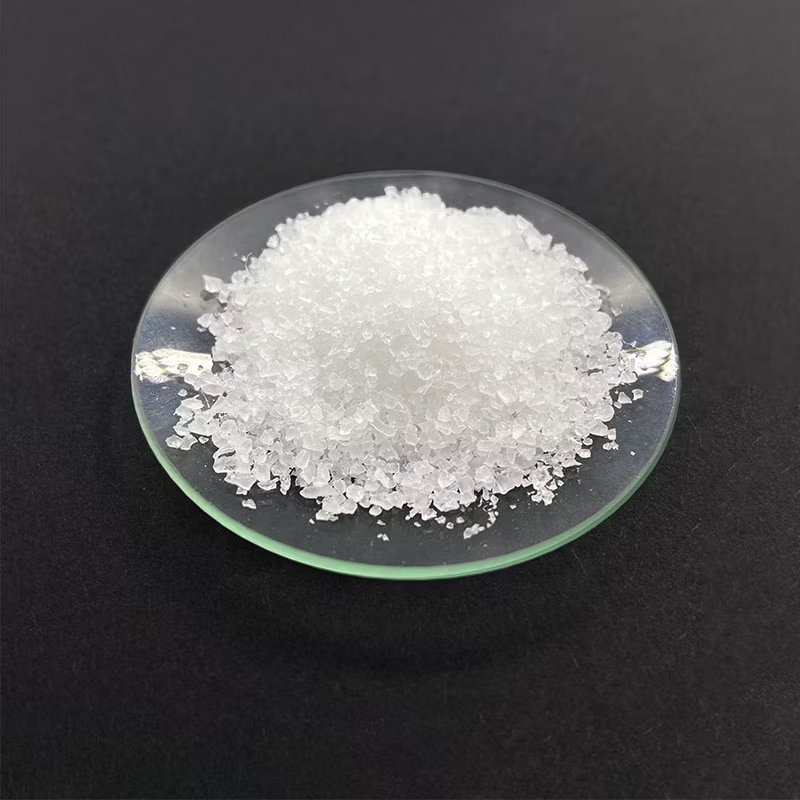
Is the product powder, granular, or flocculent, and can particle-size distribution or sieve residue be supplied?
What are the typical residual acetate, sodium acetate/ash contributors, moisture, and color values?
Can the supplier provide English SDS, TDS, COA, label draft, certificate of origin, packing list, and invoice before shipment?
Is the material classified as non-dangerous for sea, air, and road transport according to the latest SDS?
What is the confirmed HS code for export from China, and has it been used successfully for polymer resin shipments?
Checks before quote
Request current SDS in English, COA, TDS/specification sheet, packing list, commercial invoice, and certificate of origin before shipment
Confirm CAS 9002-89-5 and exact PVA grade on COA, SDS, label, and customs documents
Verify HS code with broker; source page lists HS Code 9021900090, which appears inconsistent for a polymer resin and should be checked before import declaration
Confirm dangerous goods classification with the supplier’s SDS and freight forwarder; PVA resin is commonly shipped as non-DG, but shipment status must be document-based
Check destination-country polymer inventory or chemical notification requirements where applicable, including REACH, TSCA, UK REACH, K-REACH, IECSC, AICS/AIIC, DSL/NDSL, or local inventory obligations as relevant
For food, pharmaceutical, medical, or regulated-contact applications, request grade-specific compliance documents; do not assume suitability from general-purpose industrial PVA listing
Confirm absence or limits of restricted substances if required by buyer program, such as heavy metals, formaldehyde, phthalates, SVHC, residual monomers, or other controlled impurities
Export and import clearance should be reviewed by qualified compliance personnel; supplier marketplace labels are not a regulatory guarantee
Next step
Send the product page with your target quantity and market. A sourcing manager can then confirm sample options, supplier fit, packaging details, and open document gaps.