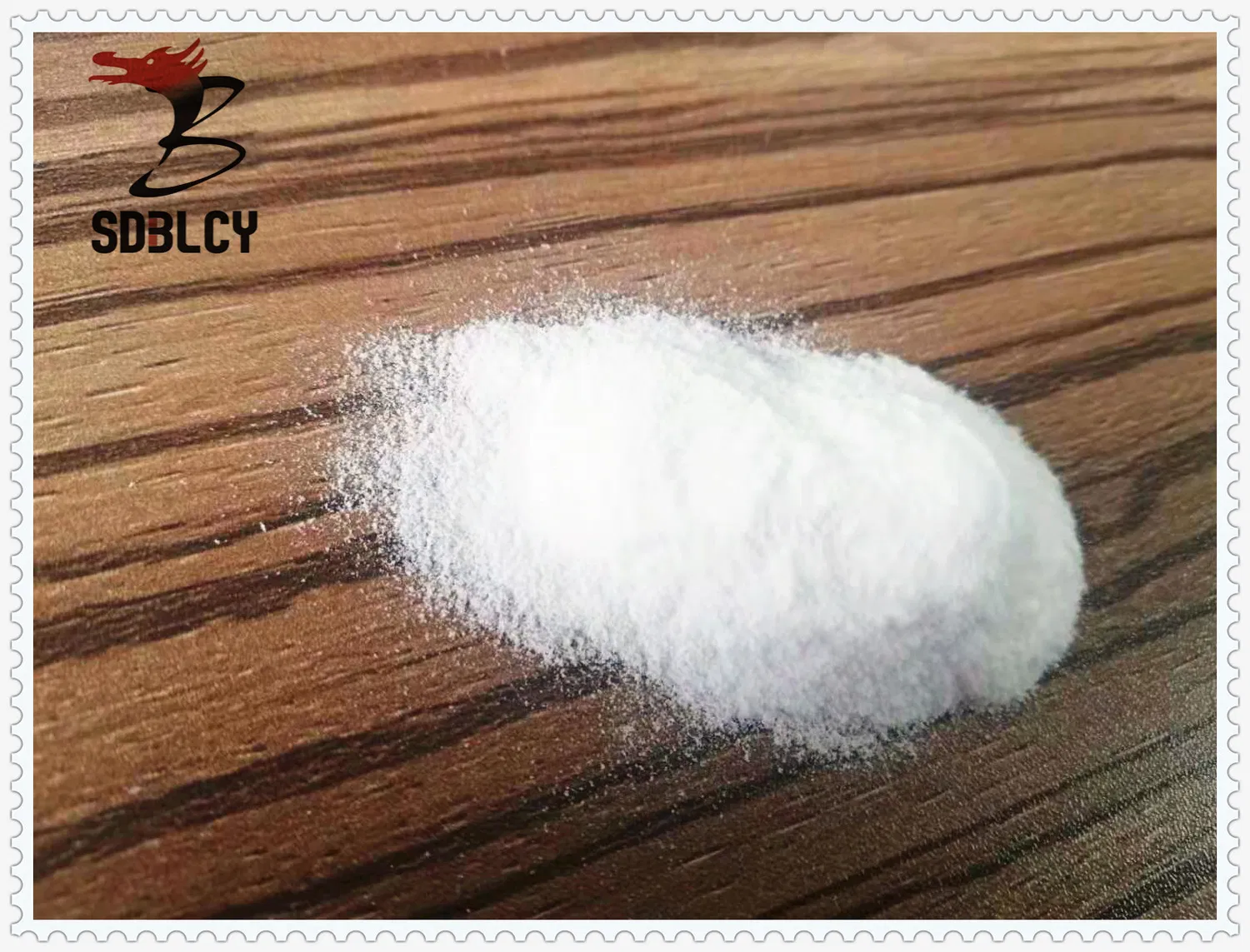
Potassium Gluconate Food Additive Grade, CAS 299-27-4
Potassium gluconate is a potassium salt used by food, beverage, nutrition, and supplement manufacturers where a water-soluble mineral salt additive is required. Buyer checks should focus on CAS 299-27-4 identity, assay basis, food-grade compliance documents, heavy metal and microbiological limits, particle appearance, solubility, and export-ready packaging documentation.
Quick buying facts
Identify the grade, package, and import market before comparing suppliers.
Use this page to check the product identity, common specification points, document scope, package notes, and destination-market questions before sending a China sourcing request.
CAS No.: 299-27-4Mineral salt additive / potassium sourceCandidate for RFQ with document verification
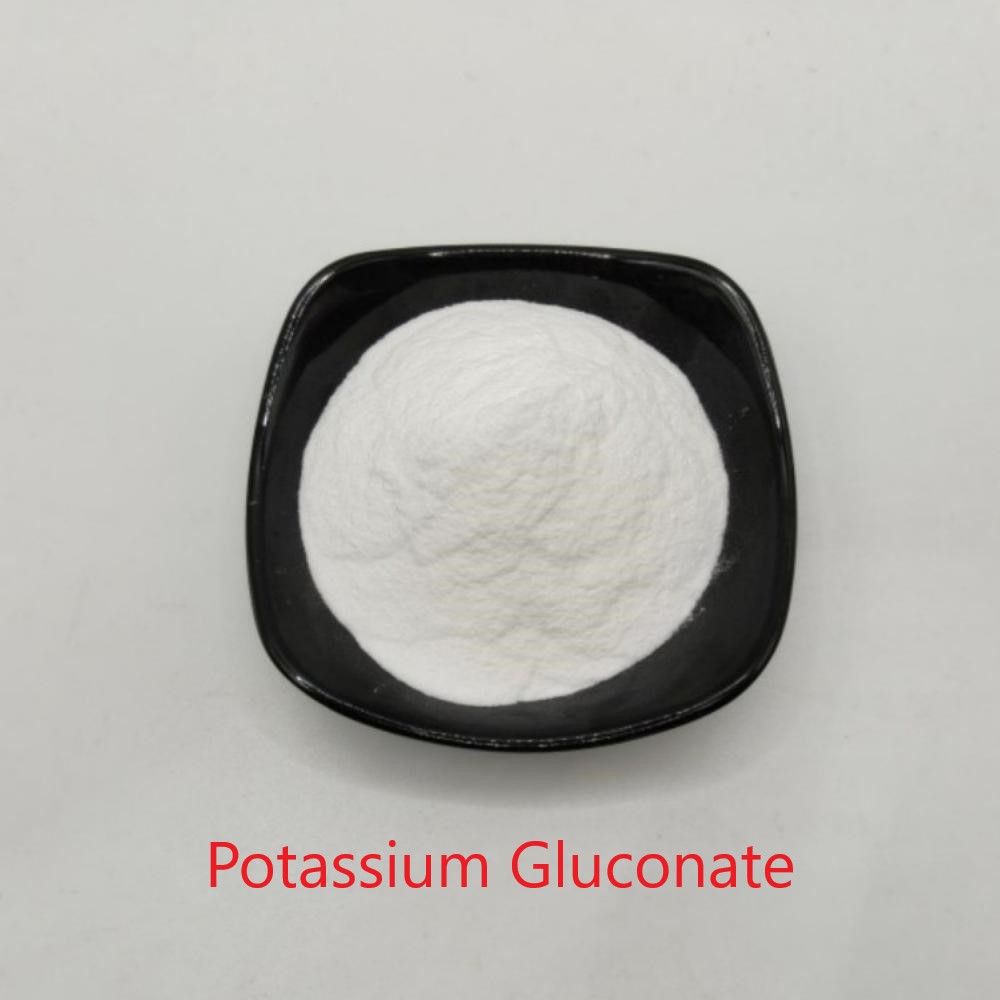
Appearance: white to off-white free-flowing crystalline powder
Assay / active content: supplier page states >90%; request exact COA specification and test method
Solubility: freely soluble in water; slightly soluble in ethanol
Melting/decomposition range: supplier page states 183-188 C, decomposes
Grade: confirm food additive grade, nutrition grade, or supplement grade according to destination market requirements
Impurity checks to request: heavy metals, lead, arsenic, cadmium, mercury, chloride, sulfate, reducing substances, loss on drying, microbial limits, and residual solvents where applicable
Who uses this page
Target buyers
Food additive distributors
Beverage premix manufacturers
Nutrition and supplement ingredient buyers
Contract manufacturers for tablets, capsules, powders, or drink mixes
Mineral fortification ingredient buyers
Importers sourcing China-origin food-grade mineral salts
Before matching
Documents to check
CAS number, grade, assay, and impurity profile
SDS, COA, TDS, HS code, and transport classification
Destination-market import documents before supplier matching
Package and route
Packing notes
Supplier page lists 1 kg foil bag and 25 kg drum options
For sea freight or air freight, confirm packaging is suitable for food additive export and protected against moisture ingress
Ask whether private label, neutral label, or buyer-specified label formats are available for compliant markets
Applications and sourcing options
Check whether this product fits the buyer's actual application.
Clear application, grade, package, and document notes help separate real sourcing demand from a vague price check.
Use context
Common applications
Mineral salt additive for food and beverage formulations where permitted
Potassium source for nutrition premixes and supplement formulations where compliant
Water-soluble mineral ingredient for powder blends and drink applications
Ingredient distribution portfolio item for food additive and nutrition markets
How we compare
Sourcing options
1 kg foil bag sample or trial pack, subject to supplier confirmation
25 kg drum standard export pack
Buyer-specified label or neutral export packaging, subject to compliance review
Batch-specific COA shipment with pre-shipment document review
Request quotes by grade standard, assay, packaging format, destination port, and annual volume
Human review
Compliance notes
Request current COA by batch before shipment
Request SDS, TDS/specification sheet, food-grade statement, allergen statement, non-GMO statement, BSE/TSE statement, and country-of-origin certificate if required
For food or supplement use, buyer should verify conformity with destination-market rules before purchase
Confirm whether the offered material complies with FCC, USP, EP, GB, or other required monograph/specification standards; do not rely on title claims alone
Confirm HS code, export license status if applicable, and DG classification for the planned route; potassium gluconate is typically not positioned as dangerous goods, but shipment documents should state the supplier classification
Check labeling requirements for mineral additives in the buyer's market, including permitted use category and declaration format
Supplier platform claims and audit badges should be treated as commercial references, not regulatory approvals
Buyer search paths
Related sourcing terms
These terms support long-tail discovery while keeping the page focused on useful product and China export buying context.
potassium gluconateCAS 299-27-4mineral salt additivefood grade potassium saltpotassium source ingredientnutrition enhancerpotassium gluconate powderwater soluble potassium additivefood additive mineral saltC6H11KO7
Related product options
Build a broader quote package from adjacent options.
Buyers often compare neighboring grades, forms, or route options before sending one consolidated RFQ.
Share target market, quantity, packaging scope, artwork status, delivery destination, and required documents so CHN Chemicals can prepare a cleaner supplier comparison.
Questions to confirm
Can you provide a recent batch COA showing assay, identification, heavy metals, microbial limits, loss on drying, and impurity profile?
Which grade is being quoted: food additive grade, nutrition grade, supplement grade, USP/FCC grade, or industrial grade?
What assay range and test method do you use for potassium gluconate?
Can you confirm CAS 299-27-4 and EINECS 206-074-2 on COA, SDS, label, and export documents?
What is the standard MOQ for 1 kg sample packs, 25 kg drums, and bulk orders?
What documents are available before shipment: SDS, TDS, COA, allergen statement, non-GMO statement, halal/kosher certificate, origin certificate, and food-grade declaration?
What are the limits for lead, arsenic, cadmium, mercury, and total heavy metals?
Can you provide microbiological specifications for food or supplement applications?
Checks before quote
Request current COA by batch before shipment
Request SDS, TDS/specification sheet, food-grade statement, allergen statement, non-GMO statement, BSE/TSE statement, and country-of-origin certificate if required
For food or supplement use, buyer should verify conformity with destination-market rules before purchase
Confirm whether the offered material complies with FCC, USP, EP, GB, or other required monograph/specification standards; do not rely on title claims alone
Confirm HS code, export license status if applicable, and DG classification for the planned route; potassium gluconate is typically not positioned as dangerous goods, but shipment documents should state the supplier classification
Check labeling requirements for mineral additives in the buyer's market, including permitted use category and declaration format
Supplier platform claims and audit badges should be treated as commercial references, not regulatory approvals
Next step
Send the product page with your target quantity and market. A sourcing manager can then confirm sample options, supplier fit, packaging details, and open document gaps.