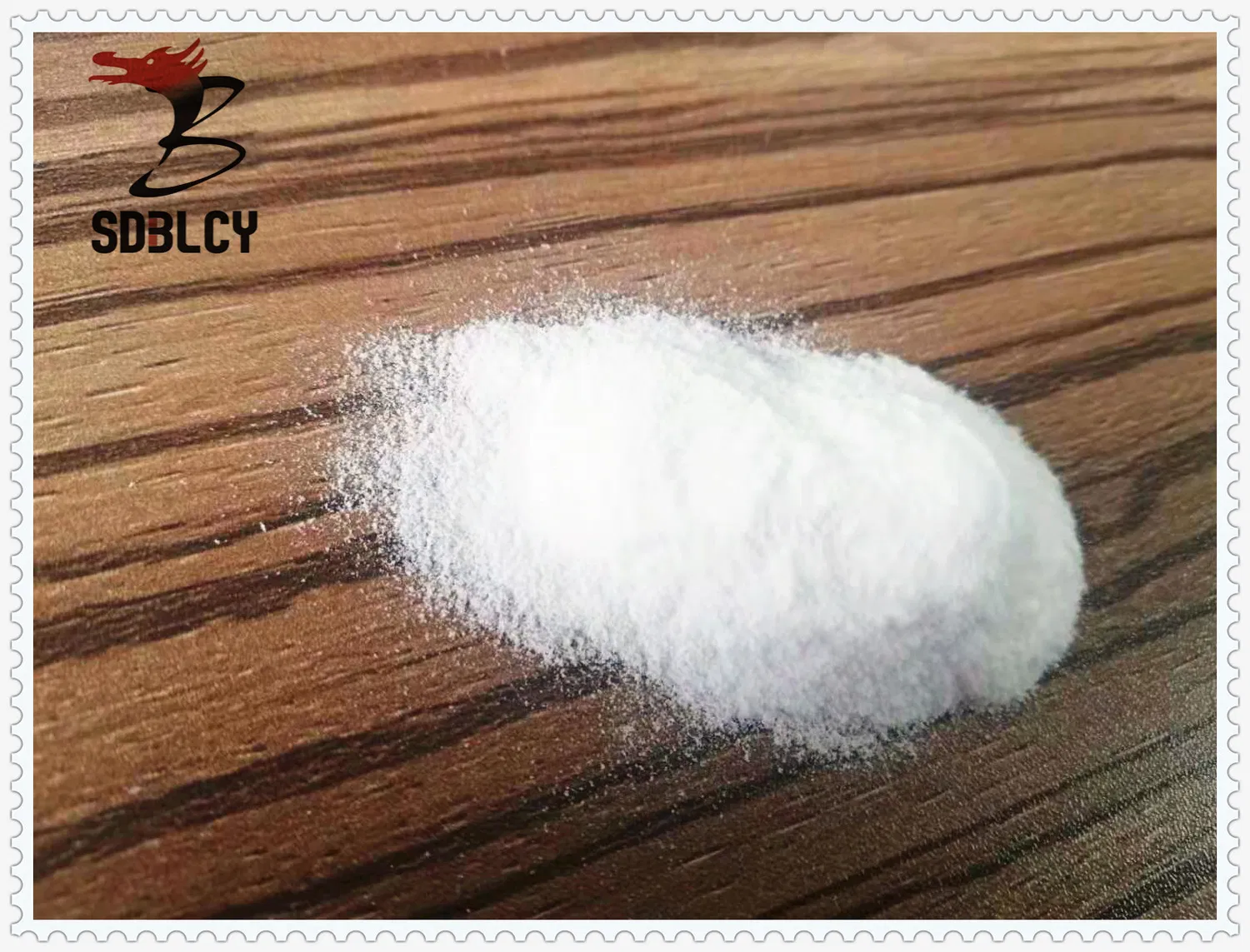
Sodium Tripolyphosphate STPP 94% Min Food or Industrial Grade CAS 7758-29-4
Sodium Tripolyphosphate (STPP), CAS 7758-29-4, offered as white powder with 94% minimum specification and food grade or industrial grade positioning. Suitable RFQs should confirm grade standard, assay basis, phosphate profile, moisture/insolubles, heavy metals or food-contact limits where applicable, packing format, COA/MSDS readiness, and destination-market import requirements.
Quick buying facts
Identify the grade, package, and import market before comparing suppliers.
Use this page to check the product identity, common specification points, document scope, package notes, and destination-market questions before sending a China sourcing request.
CAS No.: 7758-29-4Inorganic phosphate salt / sodium tripolyphosphateReady for RFQ with grade and document verification
Assay/specification: 94% min as listed by source supplier
Solubility: soluble in water; source text lists 20 g/100 mL at 20 C
State: solid
Grade options to verify: food grade and industrial/technical grade
Key checks for RFQ: STPP content, P2O5 content, water insoluble matter, moisture/loss on drying, pH, whiteness, bulk density, heavy metals, arsenic, fluoride, lead, and mesh size if required
SDS, COA, TDS, HS code, and transport classification
Destination-market import documents before supplier matching
Package and route
Packing notes
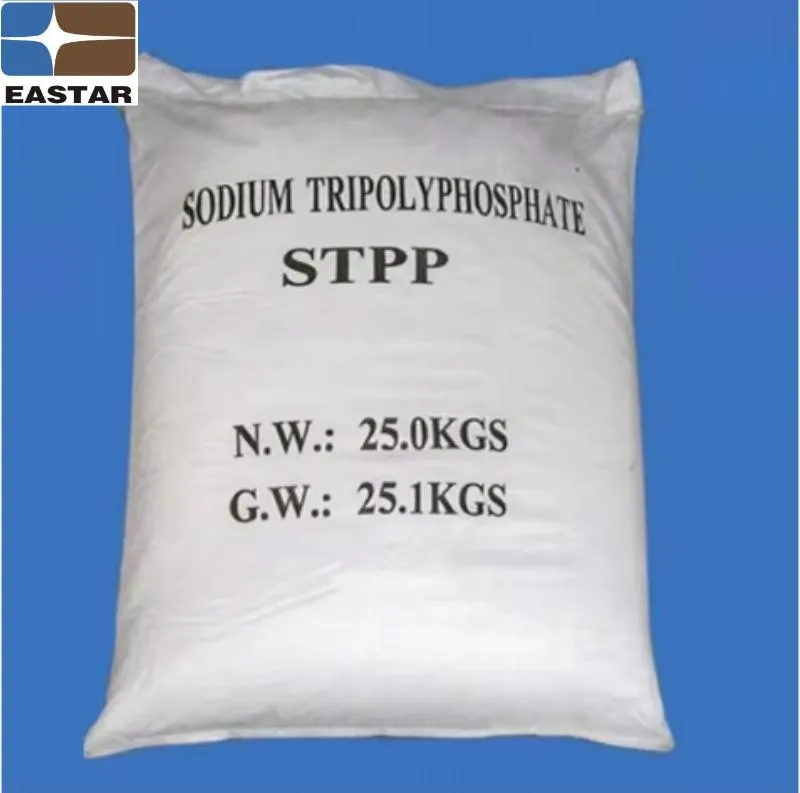
Source listing indicates bag packing; exact bag size and liner type should be confirmed before quotation.
Common export packing may include 25 kg bags, jumbo bags, or palletized bags depending on buyer requirement and supplier capability.
Confirm food grade packing segregation if requesting food-contact or food-additive grade material.
Ask whether pallets, shrink wrap, container loading photos, and batch labels can be provided.
Confirm shelf life, storage statement on documents, and whether packaging is suitable for the destination climate and transit duration.
Applications and sourcing options
Check whether this product fits the buyer's actual application.
Clear application, grade, package, and document notes help separate real sourcing demand from a vague price check.
Use context
Common applications
Detergent builder and water-softening ingredient where permitted by local regulations
Industrial dispersing or buffering applications requiring sodium phosphate salts
Ceramic and mineral processing formulations requiring phosphate additives
Food processing applications only where the grade, specification, and local additive approvals are verified
Water treatment or process water applications subject to local phosphate discharge controls
How we compare
Sourcing options
Food grade STPP with full food-additive specification and impurity documentation
Industrial grade STPP 94% min for detergent or ceramic applications
Higher assay STPP grades where tighter formulation control is required
Custom packing such as 25 kg bags, jumbo bags, palletized export packing, or private-label bags subject to supplier confirmation
Pre-shipment inspection and batch COA verification for larger import orders
Human review
Compliance notes
Verify CAS 7758-29-4 and formula Na5P3O10 against the supplier COA and SDS before purchase.
For food grade inquiries, request the exact standard claimed, such as FCC, GB, E-number or other applicable food additive specification, and confirm destination-country acceptability with the buyer's compliance team.
For industrial grade, clarify intended sector and required impurity limits rather than relying only on the 94% minimum headline.
Request current COA, SDS, TDS/specification sheet, allergen/GMO/BSE-TSE statements if applicable to food-sector procurement, and certificate of origin where needed.
STPP may be subject to phosphate-related environmental controls, food additive limits, labeling requirements, or import registration depending on destination and end use.
Confirm transport classification with the current SDS and freight forwarder; do not assume DG/non-DG status from marketplace text alone.
No regulatory approval or import clearance should be inferred from supplier listing data; buyer must validate against local rules and end-use restrictions.
Buyer search paths
Related sourcing terms
These terms support long-tail discovery while keeping the page focused on useful product and China export buying context.
STPP food gradeSodium Tripolyphosphate CAS 7758-29-4STPP 94% minNa5P3O10industrial grade sodium tripolyphosphatefood additive sodium tripolyphosphatedetergent grade STPPsodium triphosphatepolyphosphate saltSTPP China supplier
Related product options
Build a broader quote package from adjacent options.
Buyers often compare neighboring grades, forms, or route options before sending one consolidated RFQ.
Share target market, quantity, packaging scope, artwork status, delivery destination, and required documents so CHN Chemicals can prepare a cleaner supplier comparison.
Questions to confirm
Is the offered STPP food grade, industrial grade, or both, and which written standard does each grade meet?
Can you provide a recent batch COA showing STPP assay, P2O5, water insoluble matter, moisture, pH, heavy metals, arsenic, fluoride, lead, and whiteness?
Is the 94% minimum specification based on STPP content, total phosphate, or another assay method?
What is the typical particle size or mesh distribution, and can it be controlled for detergent, ceramic, food, or water-treatment applications?
What packing sizes are available, and are food grade bags produced on segregated packing lines?
Can you provide SDS, TDS, COA, certificate of origin, packing list, commercial invoice, and any food-grade compliance statements before shipment?
What is the MOQ for export orders, sample policy, lead time, and monthly available capacity?
Which ports are available for shipment from China, and can you quote FOB, CIF, CFR, or DDP where legally and commercially available?
Checks before quote
Verify CAS 7758-29-4 and formula Na5P3O10 against the supplier COA and SDS before purchase.
For food grade inquiries, request the exact standard claimed, such as FCC, GB, E-number or other applicable food additive specification, and confirm destination-country acceptability with the buyer's compliance team.
For industrial grade, clarify intended sector and required impurity limits rather than relying only on the 94% minimum headline.
Request current COA, SDS, TDS/specification sheet, allergen/GMO/BSE-TSE statements if applicable to food-sector procurement, and certificate of origin where needed.
STPP may be subject to phosphate-related environmental controls, food additive limits, labeling requirements, or import registration depending on destination and end use.
Confirm transport classification with the current SDS and freight forwarder; do not assume DG/non-DG status from marketplace text alone.
No regulatory approval or import clearance should be inferred from supplier listing data; buyer must validate against local rules and end-use restrictions.
Next step
Send the product page with your target quantity and market. A sourcing manager can then confirm sample options, supplier fit, packaging details, and open document gaps.