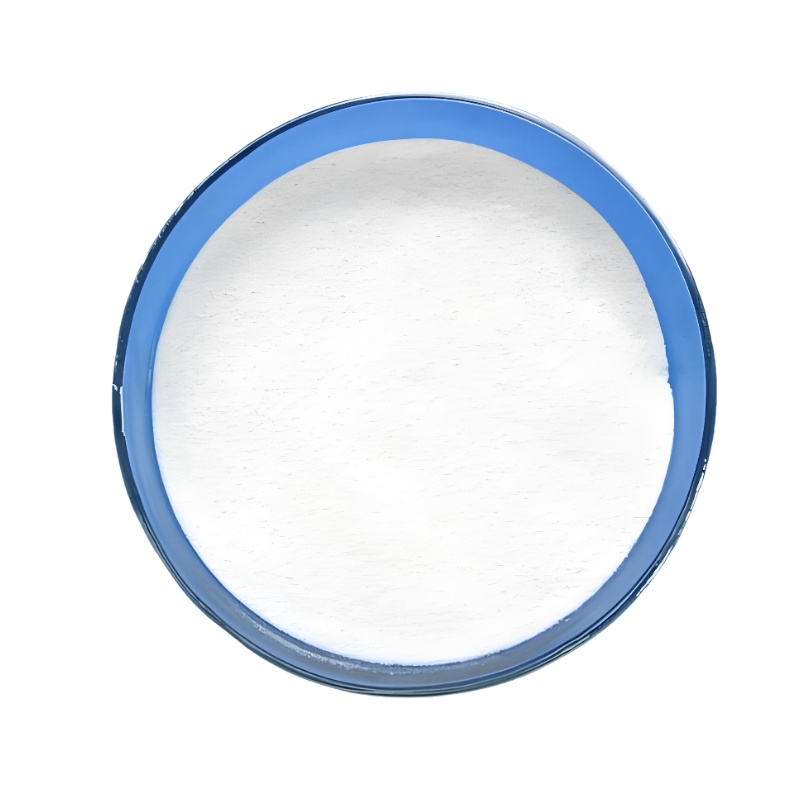
Sodium Propionate CAS 137-40-6 Food Grade Preservative Powder for Export Sourcing
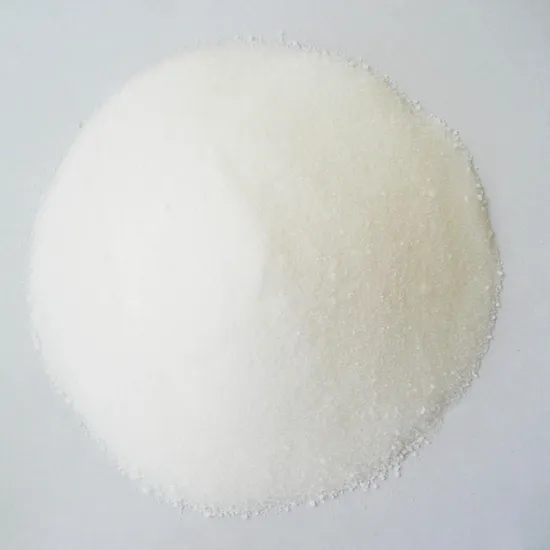
Buyer-facing sourcing candidate for sodium propionate, CAS 137-40-6, offered as a white powder food-grade preservative and mold inhibitor. Suitable RFQ focus should confirm assay, grade standard, impurity limits, microbiological criteria if applicable, packaging, export documents, and destination-market suitability, especially for Vietnam buyers evaluating preservative inputs for food, feed, cosmetic, or personal-care supply chains.
Quick buying facts
Identify the grade, package, and import market before comparing suppliers.
Use this page to check the product identity, common specification points, document scope, package notes, and destination-market questions before sending a China sourcing request.
CAS No.: 137-40-6Food additive / preservative / mold inhibitorCandidate - verify grade, COA, and Vietnam import suitability
SDS, COA, TDS, HS code, and transport classification
Destination-market import documents before supplier matching
Package and route
Packing notes
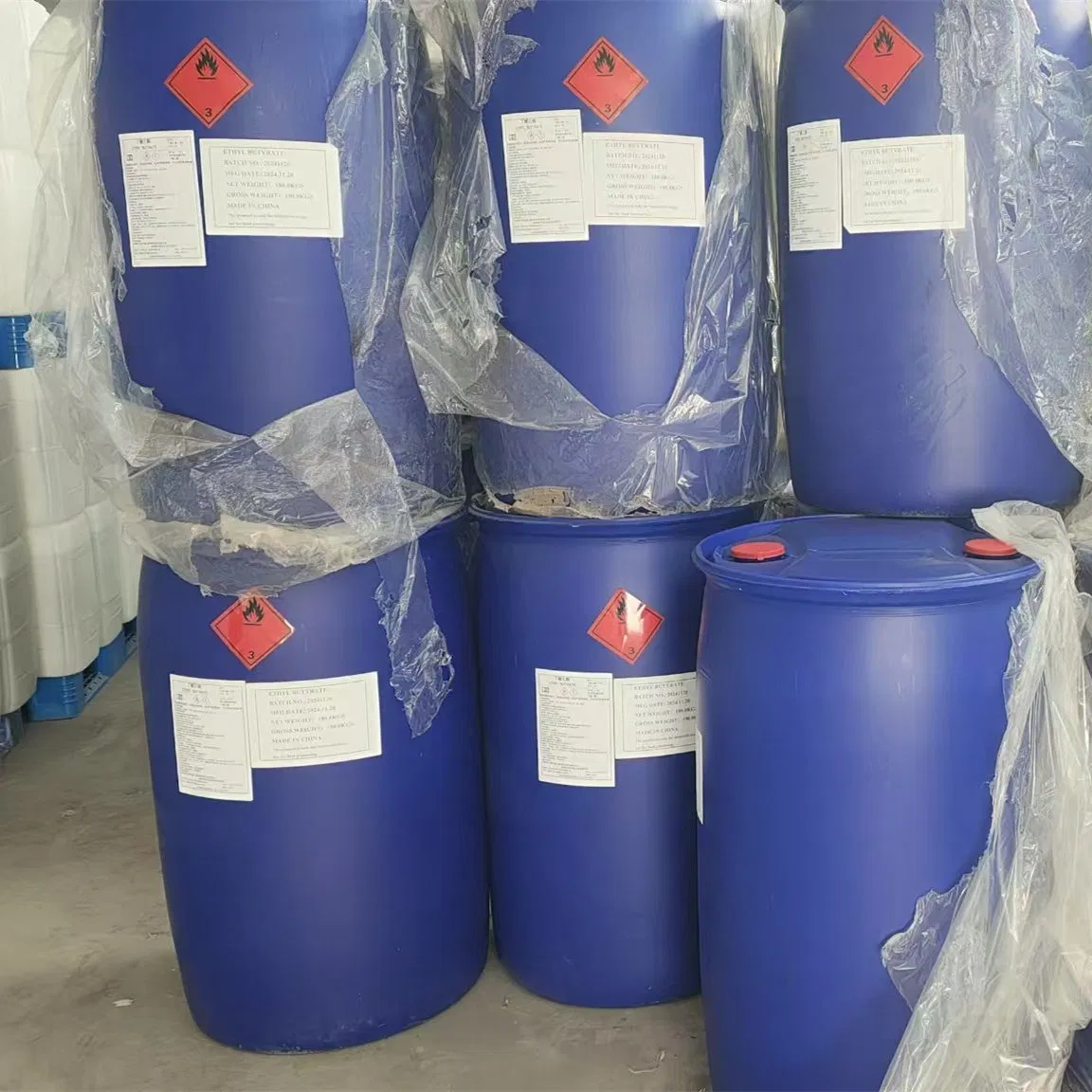
Source page states transport package: 25 kg/bag
Confirm inner liner material, outer bag type, palletization, and container loading quantity
Ask whether export cartons, kraft bags, woven bags, or customer-label packaging are available
Confirm batch coding, production date, shelf-life marking, and label language options for Vietnam import clearance
Request photos of actual packaging, pallet condition, and shipping marks before shipment
Confirm sample availability and sample COA before bulk order
Applications and sourcing options
Check whether this product fits the buyer's actual application.
Clear application, grade, package, and document notes help separate real sourcing demand from a vague price check.
Use context
Common applications
Preservative sourcing for bakery and flour-based food applications, subject to local formulation and regulatory limits
Mold inhibition ingredient for food additive distributors, subject to COA and permitted-use verification
Feed additive preservative candidate, subject to feed-grade approval and local import requirements
Cosmetic or personal-care preservative candidate screening, subject to cosmetic-grade documentation and formulation validation
General export chemical sourcing where buyers require CAS/spec verification and batch documentation
How we compare
Sourcing options
Request food-grade sodium propionate with 25 kg/bag export packing
Request cosmetic-suitability review with enhanced impurity and microbiological specification
Request sample plus COA before bulk RFQ
Request third-party lab testing for Vietnam-bound shipment batch
Request FOB China port quotation for 1 MT MOQ and CIF quotation to Ho Chi Minh City or Hai Phong
Request supplier comparison against FCC/E281 or buyer-provided specification
Human review
Compliance notes
Verify CAS 137-40-6, formula, and product name against COA, SDS, commercial invoice, and customs declaration
Request current COA, SDS, TDS/specification sheet, allergen statement if relevant, GMO statement if relevant, and certificate of origin if needed
Supplier page mentions HACCP, ISO, Kosher, Halal, and GMP-related standards; buyer should request valid certificates and scope pages rather than relying on listing claims
For Vietnam sourcing, confirm whether the intended use is food additive, feed additive, cosmetic preservative, or industrial input, because document and registration expectations may differ
Check whether sodium propionate is approved for the buyer’s intended product category and maximum-use level in the destination market; supplier statements should not be treated as regulatory approval
Confirm dangerous goods status for the selected transport mode with the supplier’s SDS and freight forwarder; do not assume non-DG status without document review
For cosmetic use, request cosmetic-grade suitability evidence, impurity profile, microbial limits, and any preservative-use documentation required by the buyer’s formulation and local compliance team
No regulatory guarantee is implied; final import, labeling, and use approval should be confirmed by the buyer or local compliance adviser
Buyer search paths
Related sourcing terms
These terms support long-tail discovery while keeping the page focused on useful product and China export buying context.
Share target market, quantity, packaging scope, artwork status, delivery destination, and required documents so CHN Chemicals can prepare a cleaner supplier comparison.
Questions to confirm
Can you provide a recent COA for sodium propionate CAS 137-40-6 showing assay, moisture, pH, heavy metals, and impurity limits?
Which grade standard does the batch conform to: FCC, E281, GB, USP, EP, food grade, cosmetic grade, or another internal specification?
Is the product manufactured by your company or sourced from a partner factory? Can you identify the production site on documents if required?
Can you provide SDS, TDS, COA, certificate of origin, packing list, invoice, and certificate copies before shipment?
For Vietnam buyers, have you previously exported sodium propionate to Vietnam, and what documents were accepted by importers?
What is the minimum order quantity, lead time, available stock, and sample policy for current batches?
What packaging options are available besides 25 kg bags, and can labels include Vietnamese or buyer-specific shipping marks?
Can you confirm shelf life, recommended storage statement on the label, and batch traceability format?
Checks before quote
Verify CAS 137-40-6, formula, and product name against COA, SDS, commercial invoice, and customs declaration
Request current COA, SDS, TDS/specification sheet, allergen statement if relevant, GMO statement if relevant, and certificate of origin if needed
Supplier page mentions HACCP, ISO, Kosher, Halal, and GMP-related standards; buyer should request valid certificates and scope pages rather than relying on listing claims
For Vietnam sourcing, confirm whether the intended use is food additive, feed additive, cosmetic preservative, or industrial input, because document and registration expectations may differ
Check whether sodium propionate is approved for the buyer’s intended product category and maximum-use level in the destination market; supplier statements should not be treated as regulatory approval
Confirm dangerous goods status for the selected transport mode with the supplier’s SDS and freight forwarder; do not assume non-DG status without document review
For cosmetic use, request cosmetic-grade suitability evidence, impurity profile, microbial limits, and any preservative-use documentation required by the buyer’s formulation and local compliance team
No regulatory guarantee is implied; final import, labeling, and use approval should be confirmed by the buyer or local compliance adviser
Next step
Send the product page with your target quantity and market. A sourcing manager can then confirm sample options, supplier fit, packaging details, and open document gaps.