Xanthan Gum Powder CAS 11138-66-2 for Food, Industrial, and Oil Drilling Grade Sourcing
Xanthan gum powder candidate for overseas buyers seeking CAS 11138-66-2 supply with food-grade, industrial-grade, or oil drilling-grade specification review. Buyer checks should focus on grade confirmation, viscosity range, mesh size, moisture, ash, pyruvate-related performance indicators where applicable, microbiological limits for food use, packing format, COA/MSDS readiness, and export documentation for India, Africa, and Middle East destinations.
Quick buying facts
Identify the grade, package, and import market before comparing suppliers.
Use this page to check the product identity, common specification points, document scope, package notes, and destination-market questions before sending a China sourcing request.
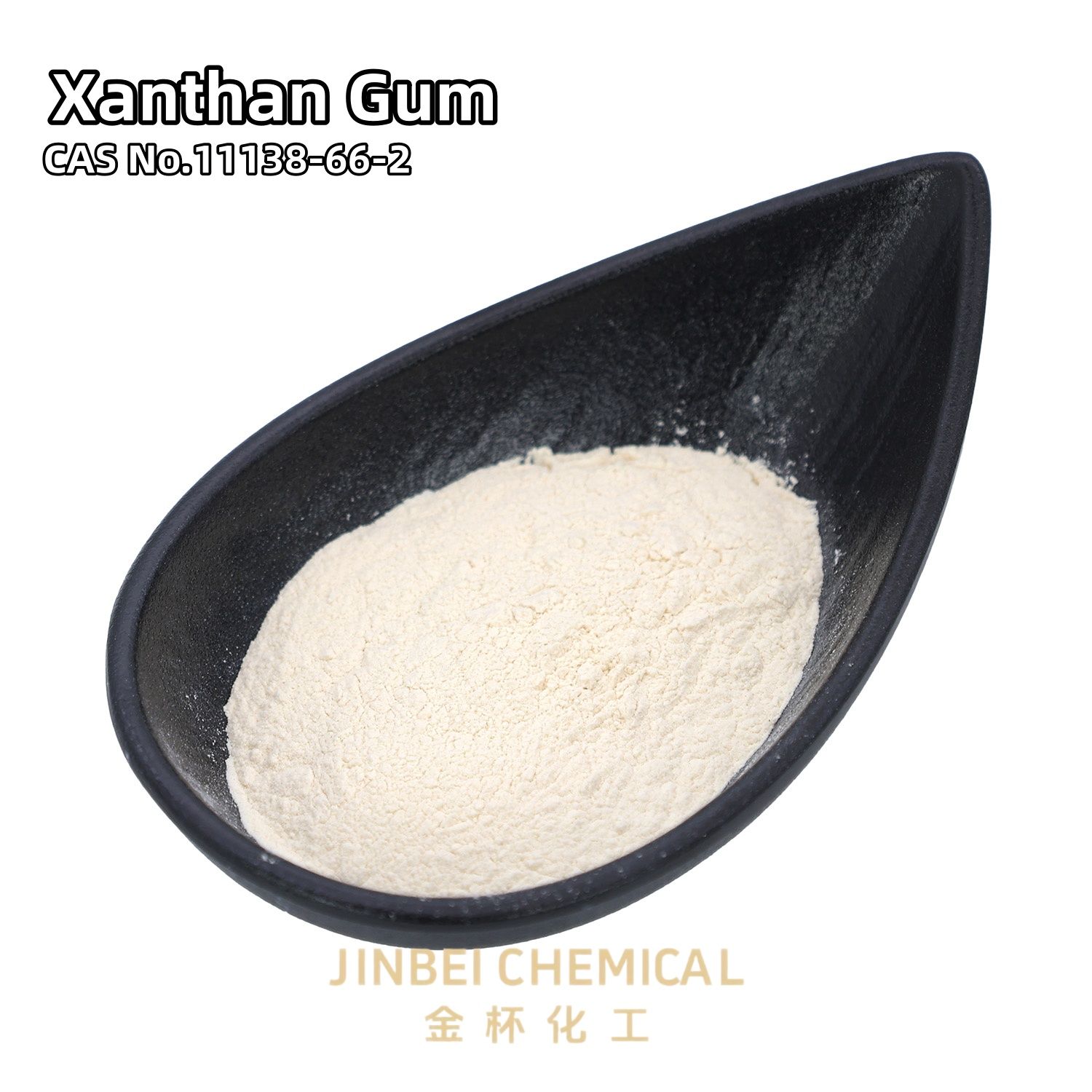
CAS No.: 11138-66-2Xanthan gum powder / polysaccharide thickener and rheology modifierCandidate for RFQ with grade and document verification
Mesh: 80-200 mesh stated; confirm required particle size distribution
Shelf life: 24 months stated; confirm production date and retest policy
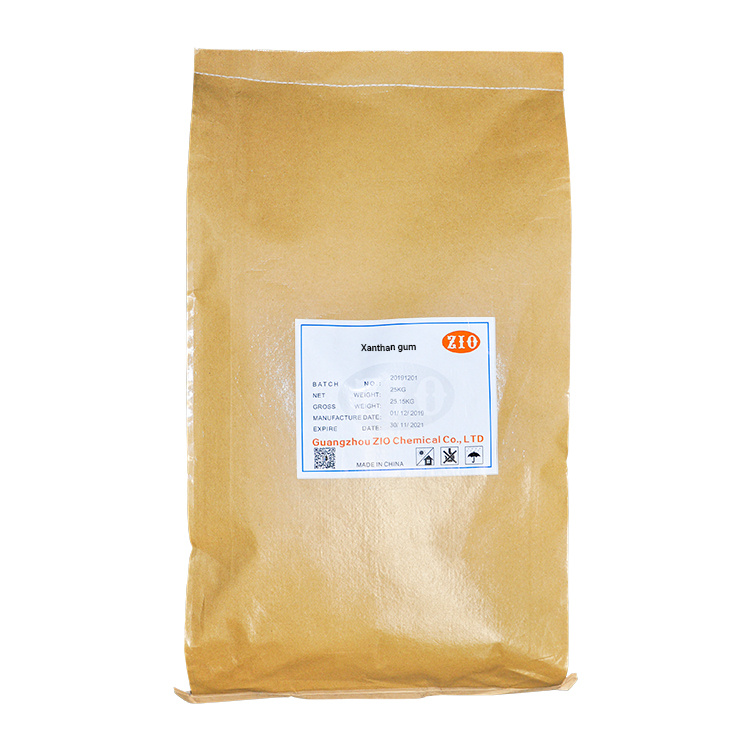
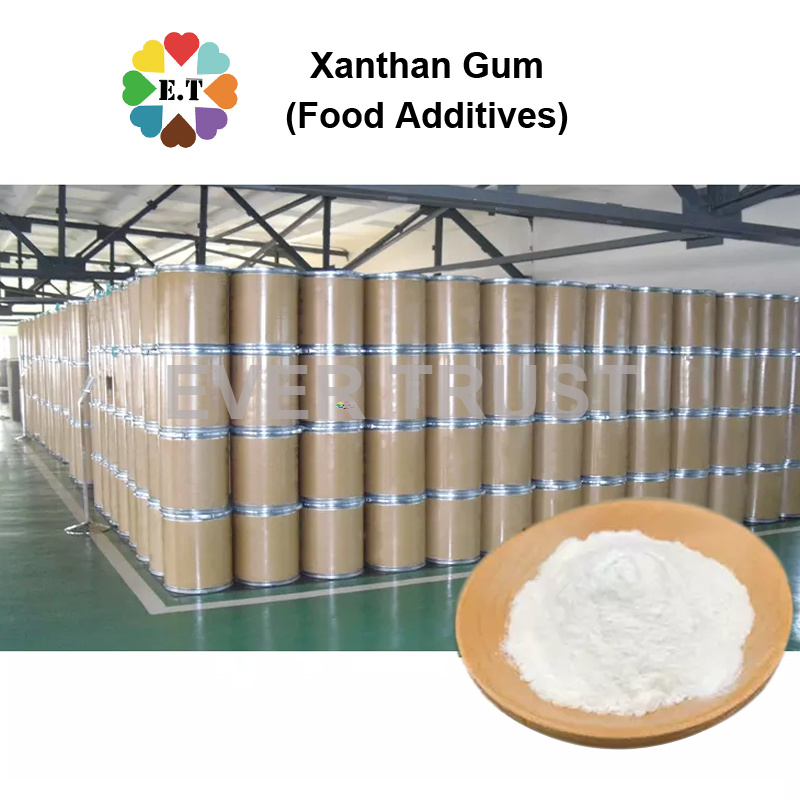
Packing specification stated: 25 kg bag or 25 kg drum
Main active ingredient: xanthan gum
Formula listed by source as C8H14Cl2N2O2 appears inconsistent for xanthan gum and should be corrected or clarified before purchase
Performance checks may include viscosity, moisture, ash, pH, particle size, and pyruvate-related indicators depending on application
Who uses this page
Target buyers
Food ingredient importers checking thickener and stabilizer specifications
Industrial chemical distributors sourcing xanthan gum powder by CAS and mesh size
Oilfield chemical buyers requiring drilling-grade rheology modifier specifications
Private-label or repacking buyers needing 25 kg export packing
Regional distributors serving India, Africa, and Middle East markets
Before matching
Documents to check
CAS number, grade, assay, and impurity profile
SDS, COA, TDS, HS code, and transport classification
Destination-market import documents before supplier matching
Package and route
Packing notes
Common packing stated: 25 kg paper bag or 25 kg drum; confirm inner liner, palletization, and container loading quantity
For humid destinations, request moisture-resistant packaging details and desiccant or liner options if needed
Confirm whether neutral packing, buyer label, or export carton marking is available
Ask supplier for batch number, manufacturing date, shelf-life marking, and COA matching each lot
For LCL shipments, confirm protection against odor contamination and moisture ingress
Applications and sourcing options
Check whether this product fits the buyer's actual application.
Clear application, grade, package, and document notes help separate real sourcing demand from a vague price check.
Use context
Common applications
Food thickening and stabilization applications where local food regulations permit and food-grade documentation is verified
Beverage, sauce, bakery filling, dairy, frozen food, and condiment formulations subject to buyer-side validation
Industrial viscosity control where food-grade compliance is not required
Oil drilling fluid applications requiring drilling-grade viscosity and performance testing
Distributor stock supply where batch COA, shelf life, and packing consistency are key purchase checks
How we compare
Sourcing options
Food-grade xanthan gum powder with full food compliance document package
Industrial-grade xanthan gum powder for non-food viscosity applications
Oil drilling-grade xanthan gum powder with drilling-fluid performance specifications
80 mesh, 100 mesh, or 200 mesh particle size options subject to supplier confirmation
25 kg bag, 25 kg drum, palletized export packing, or buyer-label packing subject to MOQ
Human review
Compliance notes
Request current COA, SDS/MSDS, TDS, allergen statement, non-GMO statement if required, and food-grade compliance documents for edible applications
CAS number 11138-66-2 should be verified against all supplier documents, labels, and customs paperwork
Grade claims should be matched to the destination market and end-use requirements; food-grade and oil drilling-grade specifications should not be treated as interchangeable
Confirm microbiological limits, heavy metals, lead/arsenic limits, and residual solvents or contaminants where food use is intended
Verify HS code, export documentation, certificate of origin, and any destination-specific import requirements before shipment
Xanthan gum is generally not a dangerous good in many trade contexts, but DG status, SDS transport section, and carrier acceptance should still be checked for the exact supplied product
No regulatory approval or import clearance should be assumed from supplier listing text alone
Buyer search paths
Related sourcing terms
These terms support long-tail discovery while keeping the page focused on useful product and China export buying context.
Share target market, quantity, packaging scope, artwork status, delivery destination, and required documents so CHN Chemicals can prepare a cleaner supplier comparison.
Questions to confirm
Can you provide a recent COA for xanthan gum CAS 11138-66-2 from an actual export batch?
Which grades are available: food grade, industrial grade, oil drilling grade, or customized viscosity grade?
What are the viscosity, moisture, ash, pH, particle size, and microbiological specifications?
Is the listed molecular formula correct for this product, and can corrected TDS/SDS documents be supplied?
What mesh sizes are available within the stated 80-200 mesh range?
Can you supply food-grade documents such as allergen statement, non-GMO statement, halal/kosher certificates, or heavy metal test reports if required?
What is the MOQ for 25 kg bags, palletized lots, and full container orders?
What packing options are available for humid climates such as India, Africa, or Middle East routes?
Checks before quote
Request current COA, SDS/MSDS, TDS, allergen statement, non-GMO statement if required, and food-grade compliance documents for edible applications
CAS number 11138-66-2 should be verified against all supplier documents, labels, and customs paperwork
Grade claims should be matched to the destination market and end-use requirements; food-grade and oil drilling-grade specifications should not be treated as interchangeable
Confirm microbiological limits, heavy metals, lead/arsenic limits, and residual solvents or contaminants where food use is intended
Verify HS code, export documentation, certificate of origin, and any destination-specific import requirements before shipment
Xanthan gum is generally not a dangerous good in many trade contexts, but DG status, SDS transport section, and carrier acceptance should still be checked for the exact supplied product
No regulatory approval or import clearance should be assumed from supplier listing text alone
Next step
Send the product page with your target quantity and market. A sourcing manager can then confirm sample options, supplier fit, packaging details, and open document gaps.