India: Meghmani Organics says TiO2 restart unviable despite new anti-dumping duty
Key facts
- Meghmani Organics stated that restarting its Titanium Dioxide operations is commercially unviable due to a seven to eight times increase in sulfuric acid prices
- The company reported standalone revenue of 658.2 crore rupees for Q2FY27, an 18 percent year-over-year increase, while EBITDA remained flat at 70.9 crore rupees
- Pigments segment revenue jumped 40.4 percent year-over-year to 161.5 crore rupees, with segment results tripling to 16.3 crore rupees from 4.5 crore rupees in the prior year
- Agrochemicals segment revenue declined 12.6 percent year-over-year to 496.7 crore rupees, reflecting broader margin pressures from elevated input and logistics costs across the business
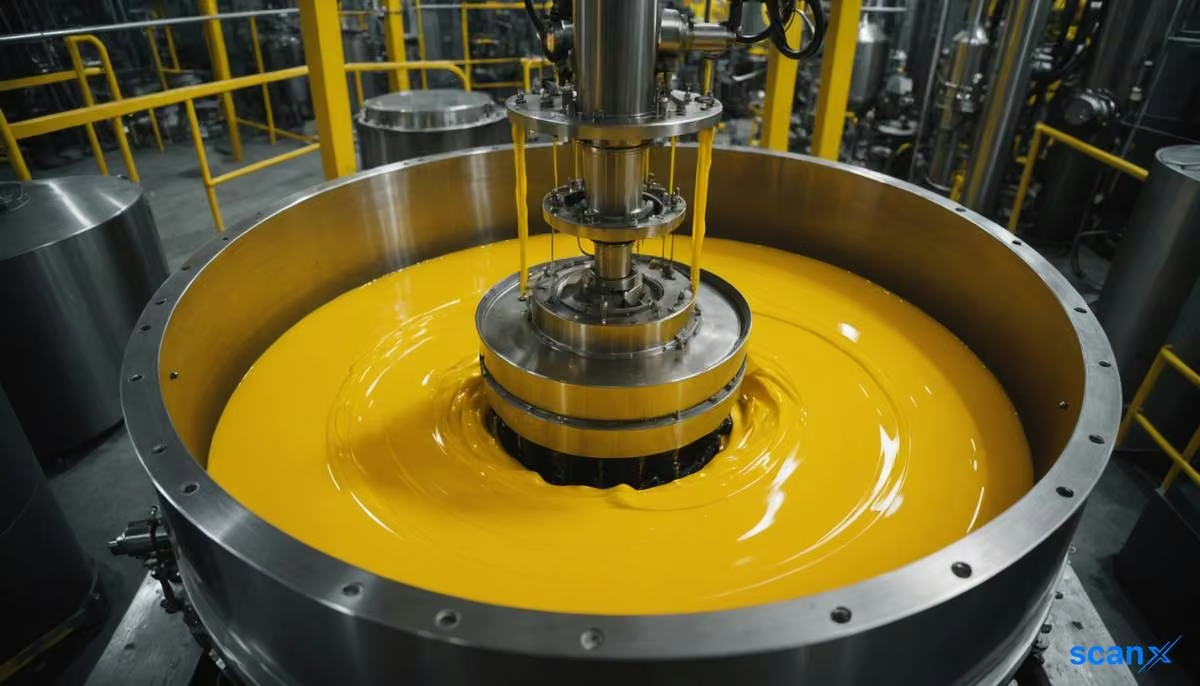
*this image is generated using AI for illustrative purposes only.
Meghmani Organics Limited stated that restarting its Titanium Dioxide (TiO2) operations remains commercially unviable, citing a 7 to 8 times increase in sulfuric acid prices. This update emerged during the Q2FY27 earnings conference call held on November 5, 2026, where management addressed the impact of the recently reimposed anti-dumping duty on Chinese imports.
The company reported standalone revenue of ₹ 658.2 crore for Q2FY27, up 18% YoY. However, EBITDA remained flat at ₹ 70.9 crore , causing margins to contract to 10.8% from 12.6% in the year-ago quarter. Management attributed this margin pressure to elevated input and logistics costs, noting that realizations remained broadly flat while raw material prices surged.
Segment Performance and Margin Pressures
The Pigments segment witnessed significant expansion, with revenue jumping 40.4% YoY to ₹ 161.5 crore. Segment results more than tripled to ₹ 16.3 crore from ₹ 4.5 crore in Q2FY26. Capacity utilisation stood at 51%, with production rising 13% YoY to 4,252 MT. In contrast, the Agrochemicals segment saw revenue decline by 12.6% YoY to ₹ 496.7 crore, and segment results contracted by 33.2% to ₹ 54.6 crore.
Note: Segment figures reflect standalone disclosures. Total revenue figures may differ slightly from consolidated totals due to internal eliminations.
Consolidated Performance and Balance Sheet
On a consolidated basis, revenue stood at ₹ 666.9 crore , up 16% YoY. Consolidated EBITDA surged 40% YoY to ₹ 73.1 crore , with margins expanding to 11.0% from 9.0%. Consolidated Profit After Tax (PAT) jumped 193% YoY to ₹ 33.9 crore from ₹ 11.6 crore in Q2FY26. For H1FY27, consolidated revenue was ₹ 1,209 crore, up 2%, while net profit increased 239% to ₹ 82.1 crore.
The company’s working capital dynamics show signs of stress. Trade receivables ballooned to ₹ 84.67 crore as of September 30, 2026, from ₹ 65.25 crore at March 31, 2026. Management explained that receivable days have increased to approximately 125 days from the normal range of 100-110 days due to extended credit offered to support customers in a challenging market. Net cash generated from operating activities stood at ₹ 10.36 crore for H1FY27.
Strategic Outlook and Guidance
Management provided forward-looking guidance, stating that the Crop Protection segment is expected to grow in double digits from the top-line perspective over the next 2 to 3 years. The long-term target for EBITDA margin in this segment remains 15% to 17%. The Pigment segment is expected to maintain a top line of ₹ 600 crore to ₹ 650 crore with an EBITDA margin of 10% to 11%.
Regarding the TiO2 business, the Ministry of Finance reimposed anti-dumping duty on imports from China on October 24, 2026. While this supports price realization, the sharp rise in key raw material costs prevents a viable restart. The company is exploring strategic options for the asset, including partnerships or divestment, but noted the current market environment makes attracting partners difficult.
What the Numbers Show
A notable divergence exists between top-line growth and bottom-line stability. While standalone revenue expanded by 18%, the total segment results declined by 18.7% YoY. This indicates margin pressure despite higher sales volumes. Specifically, the cost of materials consumed surged by 28.3% YoY to ₹ 438.5 crore, outpacing the 18% revenue growth. This disproportionate rise in input costs likely compressed operating margins across both segments, particularly in Agrochemicals where revenue fell but costs remained elevated relative to sales. The increase in trade receivables further signals collection pressure, as the company extends credit terms to sustain volume growth in a volatile market.
How will the 7-8x surge in sulfuric acid prices impact Meghmani's ability to maintain its 15-17% EBITDA margin target for the Crop Protection segment over the next 2-3 years?
What specific strategic partnerships or divestment timelines are being considered for the idle Titanium Dioxide assets, given the current difficulty in attracting buyers?
Can the company normalize trade receivables back to the 100-110 day range without sacrificing volume growth in the Agrochemicals segment amid challenging market conditions?
Chnchemicals take
The inability to restart Titanium Dioxide production despite new anti-dumping duties signals that input cost inflation, specifically sulfuric acid, is the primary barrier to capacity utilization. For global chemical traders, this confirms that trade protection measures alone cannot offset structural supply chain shocks, forcing buyers to seek alternative sourcing or accept higher premiums. Investors should monitor how such cost pressures impact the profitability of other segments, as margin contraction remains a persistent risk even when revenue grows.
Frequently asked questions
Why did Meghmani Organics state that restarting its titanium dioxide operations is commercially unviable despite new anti-dumping duties?
The company cited a seven to eight times increase in sulfuric acid prices as the primary reason for the unviability. Management noted that these extreme input cost increases outweigh the benefits of the recently reimposed anti-dumping duty on Chinese imports.
What was the impact of elevated input costs on Meghmani Organics' EBITDA margins in Q2FY27?
EBITDA margins contracted to 10.8% from 12.6% in the year-ago quarter due to elevated input and logistics costs. While standalone revenue rose 18% year-on-year, EBITDA remained flat at ₹70.9 crore, reflecting the pressure from surging raw material prices.
How did the Pigments segment perform in terms of revenue and capacity utilization for Meghmani Organics in Q2FY27?
The Pigments segment saw revenue jump 40.4% year-on-year to ₹161.5 crore, with segment results more than tripling. Capacity utilization stood at 51%, and production rose 13% year-on-year to 4,252 metric tons, indicating strong demand in this specific area.