India’s chemical industry gets a boost as GMPL commissions 1.25 MTPA PTA plant in Mangalore
Key facts
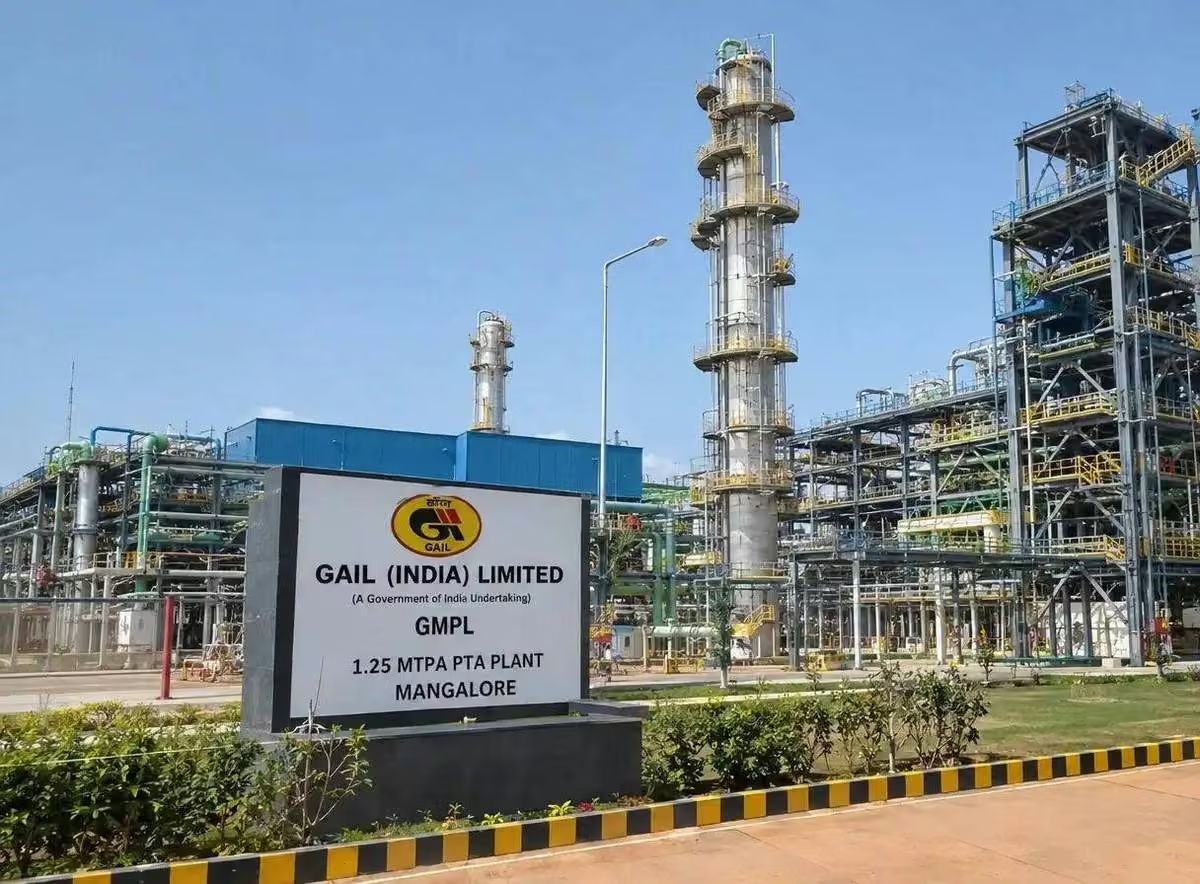
- GAIL commissioned a 1.25 million tonnes per annum purified terephthalic acid plant in Mangalore, Karnataka, adding to its petrochemical portfolio
- The facility was acquired by GAIL in 2023 through a resolution plan after entering the Corporate Insolvency Resolution Process
- The new PTA unit is located within a special economic zone with dedicated infrastructure for raw material and finished product movement
- Purified terephthalic acid serves as a core raw material for polyester fibre, yarn, and PET resin used in apparel and packaging industries
has added a major new piece to its petrochemical portfolio with the start-up of a 1.25 million tonnes per annum purified terephthalic acid plant in Karnataka, a development that could reshape its downstream presence in the
) Limited, has commissioned the facility at the
. The plant’s restart comes after a long and complex revival process, and it gives the state-owned gas major a foothold in one of the most important feedstock markets for textiles and packaging.
The asset has had a difficult journey. Originally developed by
, the plant later entered the Corporate Insolvency Resolution Process. In 2023, GAIL acquired the business through a resolution plan approved by the
, taking on a facility that required substantial engineering work before it could return to production.
is not a niche chemical. It is a core raw material for polyester fibre, yarn and PET resin, and it feeds industries that stretch from apparel to packaging. For India, where demand for polyester-linked products continues to expand, additional domestic PTA supply has strategic value well beyond one plant’s balance sheet.
Why the commissioning matters for the market
The new unit’s installed capacity of 1.25 million tonnes per annum makes it a meaningful addition to India’s domestic PTA base. The report said the plant is expected to improve local availability of the material, trim import dependence and support downstream polyester manufacturers that rely on steady feedstock supply.
That is particularly relevant at a time when Indian manufacturers are under pressure from global supply swings and freight volatility. A domestic source near the country’s western coast can also help reduce logistics friction for buyers serving textile clusters and packaging converters.
gives it a logistical advantage, with dedicated infrastructure in place for the movement of raw materials and finished product. For a bulk chemical business, that proximity is not just operational convenience; it is often the difference between a competitive supply chain and a costly one.
By placing the plant inside a special economic zone and close to port connectivity, GAIL has positioned the asset to serve both domestic customers and potentially broader trade flows, depending on market conditions and commercial strategy.
GAIL will market PTA from the facility under the brand name G-Tex, using its established sales network and customer relationships. The branding move suggests that the company is not treating the plant merely as an industrial recovery project, but as a commercially integrated business line that can be plugged into its wider petrochemical ambitions.
That is important for a company traditionally associated with natural gas and energy infrastructure. By pushing further into
, GAIL is following a broader industry pattern in which gas and energy players seek margin stability through downstream diversification.
What this says about GAIL’s wider strategy
The commissioning is also a signal about the direction of GAIL’s capital allocation. Instead of building a greenfield asset from scratch, the company has chosen to revive an existing plant with significant sunk infrastructure. That route can be riskier in execution, but it can also create faster entry into a market if the operational hurdles are cleared.
For GAIL, the project broadens its downstream footprint and gives it a direct stake in a material that sits at the heart of India’s polyester ecosystem. For the wider industry, the start-up adds capacity in a segment where domestic supply security has long been a policy and commercial concern.
As the plant ramps up, the key question will be how quickly it can stabilise operations and how effectively GAIL can convert the commissioning milestone into a durable market position. The revival of the
facility may have begun as an insolvency resolution exercise, but it now looks like a strategic bet on India’s growing appetite for polyester-linked products.
Chnchemicals take
This expansion strengthens India's domestic supply chain for polyester feedstocks, reducing reliance on imported PTA for textile and packaging manufacturers. By securing a strategic asset within a special economic zone, GAIL positions itself to capture growing regional demand while mitigating logistics costs. Investors should monitor operational stability, as the transition from insolvency to full production remains a critical factor for long-term profitability in this competitive market.
Frequently asked questions
What is the capacity of the new PTA plant commissioned by GAIL in Mangalore, India?
The new plant has an installed capacity of 1.25 million tonnes per annum. It was acquired by GAIL through a corporate insolvency resolution process in 2023.
How does the location of GAIL's new PTA facility in a special economic zone impact its supply chain?
The plant's location in a special economic zone provides dedicated infrastructure for raw material and product movement. This proximity to port connectivity helps create a more competitive and cost-effective supply chain.
Why is the addition of domestic PTA capacity in India strategically important for the polyester industry?
PTA is a core raw material for polyester fibre and PET resin, which are essential for apparel and packaging. Increased domestic supply helps meet India's expanding demand for these products and reduces reliance on imports.