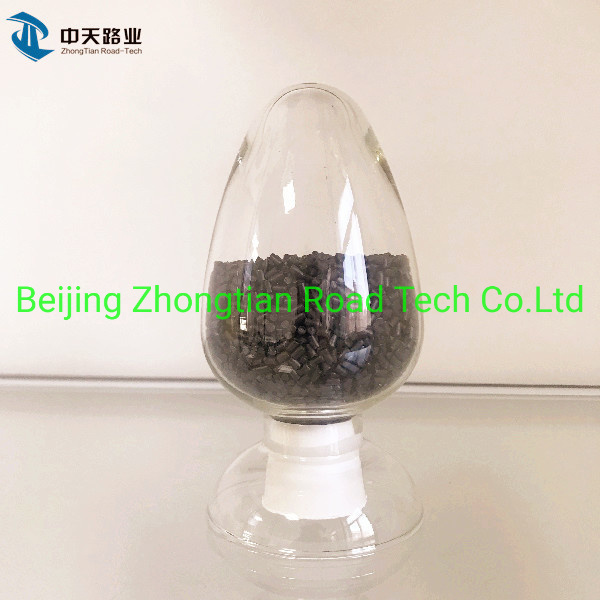
Anti-Rutting Asphalt Additive, Black Polymer Granules, CAS 9002-88-4 Check Required
Public sourcing candidate for an asphalt anti-rutting additive supplied as black polymer granules for road construction and maintenance projects. Buyer verification should focus on CAS identity, polymer grade, particle size, melt index, ash content, packing format, export documentation, and whether the material is classified as dangerous goods for the destination market.
Quick buying facts
Identify the grade, package, and import market before comparing suppliers.
Use this page to check the product identity, common specification points, document scope, package notes, and destination-market questions before sending a China sourcing request.
Declared CAS No.: 9002-88-4; buyer should confirm whether this CAS accurately represents the active polymer composition and formulationAsphalt modifier / anti-rutting polymer additiveCandidate for RFQ with CAS, formulation, COA, SDS, and export classification verification required
SDS, COA, TDS, HS code, and transport classification
Destination-market import documents before supplier matching
Package and route
Packing notes
Hot-melt small bags: 3 kg or 4 kg per bag, with approximately 24 kg per outer bag stated
Alternative packing stated: 25 kg bags, 500 kg jumbo bags, ton bags, or customized packing
Container loading stated by source: approximately 16 tons per 20 ft container and 27 tons per 40 ft container; confirm final palletization and net/gross weight
Request packing photos, bag material specification, lot coding format, and moisture protection details before order confirmation
Confirm whether hot-melt bags are acceptable for the buyer’s asphalt plant feeding system and local waste requirements
Applications and sourcing options
Check whether this product fits the buyer's actual application.
Clear application, grade, package, and document notes help separate real sourcing demand from a vague price check.
Use context
Common applications
Procurement evaluation for anti-rutting asphalt modifier projects
Tender prequalification where polymer identity, COA, SDS, and packing details must be reviewed
Comparison of granular asphalt additives for upper, middle, or lower pavement layer specifications
Import planning for road treatment chemical materials requiring HS code and transport classification checks
Supplier shortlisting for construction and maintenance asphalt material programs
How we compare
Sourcing options
Request a pre-shipment sample with COA and TDS for laboratory compatibility testing
Source in hot-melt bag format when asphalt plant dosing compatibility is required
Source in 25 kg bags for smaller project lots or distributor resale
Source in jumbo bags or ton bags for bulk infrastructure projects after confirming discharge and dosing compatibility
Use third-party inspection for lot sampling, packaging verification, and container loading records
Ask for destination-specific document packs, including SDS format aligned with buyer jurisdiction
Human review
Compliance notes
Request COA, SDS, TDS, product composition declaration, CAS confirmation, HS code basis, and country-of-origin documentation before RFQ award
Confirm whether the product is non-DG or DG for sea, road, rail, or air shipment under the latest transport rules; do not rely only on supplier marketing statements
If CAS 9002-88-4 is used, verify whether the material is polyethylene-based or a formulated polymer blend, and whether additives or fillers affect import declarations
Check REACH, UK REACH, TSCA, DSL, AICS/AIIC, K-REACH, or other inventory status as applicable to the destination market
Confirm impurity or additive disclosure requirements for public infrastructure tenders, including ash, mineral filler, recycled polymer content, heavy metals if required, and VOC-related declarations if applicable
No regulatory approval, infrastructure performance guarantee, or road authority acceptance should be assumed without buyer-side testing and local engineering review
Buyer search paths
Related sourcing terms
These terms support long-tail discovery while keeping the page focused on useful product and China export buying context.
Share target market, quantity, packaging scope, artwork status, delivery destination, and required documents so CHN Chemicals can prepare a cleaner supplier comparison.
Questions to confirm
What is the exact chemical identity and formulation basis behind CAS No. 9002-88-4? Is it single-polymer, blend, recycled polymer, or filled compound?
Can you provide recent COA results for particle size, density, melt index, ash content, moisture, and any additional buyer-specified impurity limits?
What test method and condition are used for melt index, and can the same method be used consistently across lots?
Is the product classified as dangerous goods for export shipment? Please provide SDS Section 14 and transport classification statement.
Can you provide TDS, SDS, COA, packing list, commercial invoice, certificate of origin, and HS code support documents before shipment?
What are the available packing sizes, minimum order quantity, sample policy, and lead time for export orders?
Can you supply retained samples and lot traceability for infrastructure tender documentation?
Has the material been supplied to overseas road projects, and can you provide non-confidential performance test references such as dynamic stability or rutting-resistance data?
Checks before quote
Request COA, SDS, TDS, product composition declaration, CAS confirmation, HS code basis, and country-of-origin documentation before RFQ award
Confirm whether the product is non-DG or DG for sea, road, rail, or air shipment under the latest transport rules; do not rely only on supplier marketing statements
If CAS 9002-88-4 is used, verify whether the material is polyethylene-based or a formulated polymer blend, and whether additives or fillers affect import declarations
Check REACH, UK REACH, TSCA, DSL, AICS/AIIC, K-REACH, or other inventory status as applicable to the destination market
Confirm impurity or additive disclosure requirements for public infrastructure tenders, including ash, mineral filler, recycled polymer content, heavy metals if required, and VOC-related declarations if applicable
No regulatory approval, infrastructure performance guarantee, or road authority acceptance should be assumed without buyer-side testing and local engineering review
Next step
Send the product page with your target quantity and market. A sourcing manager can then confirm sample options, supplier fit, packaging details, and open document gaps.