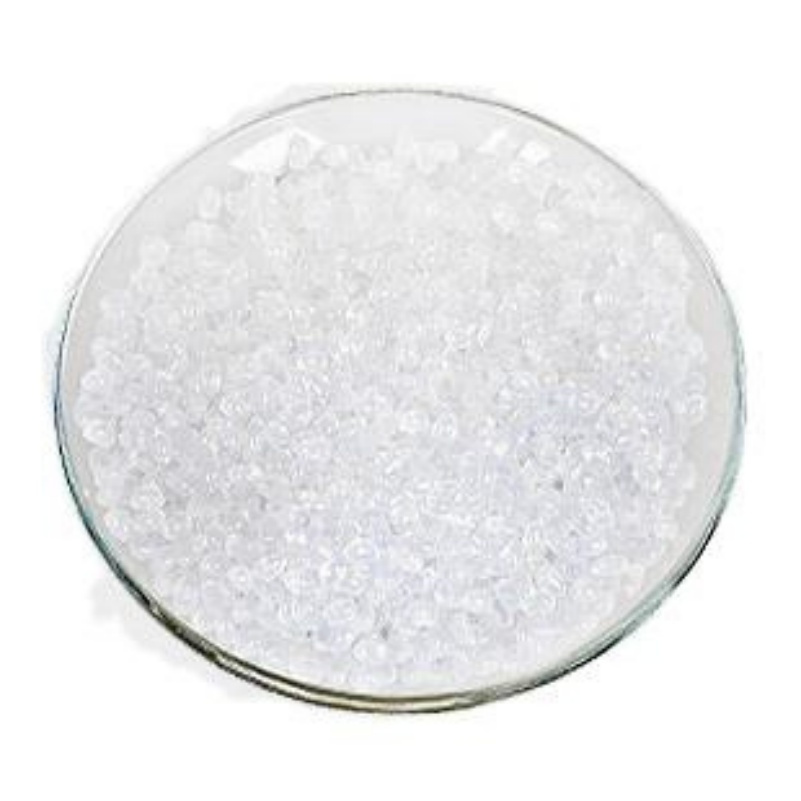
Polycarboxylate PCE Water Reducer Additive for Concrete and Construction
Buyer-facing sourcing candidate for polycarboxylate-based water reducer / PCE superplasticizer used in concrete admixture applications. Key checks should focus on grade form, solid content options such as 50% or 60% liquid where available, powder specification claims, chloride and sulfate limits, water-reduction performance, packing format, COA/TDS/SDS readiness, HS code alignment, and export documentation for construction chemical shipments.
Quick buying facts
Identify the grade, package, and import market before comparing suppliers.
Use this page to check the product identity, common specification points, document scope, package notes, and destination-market questions before sending a China sourcing request.
Chemical composition: polycarboxylate-based water reducer / PCE superplasticizerConcrete admixture / polycarboxylate ether water reducerCandidate for RFQ with grade, CAS/polymer ID, SDS, COA, and DG/export checks required
Density: table references D+0.02 with D=1.05, requiring confirmation by grade
Air content: <=3.0 listed
Formaldehyde content: <=0.05 listed
Who uses this page
Target buyers
Concrete admixture distributors
Ready-mix concrete producers
Precast concrete manufacturers
Construction chemical formulators
Infrastructure project procurement teams
Cement and mortar additive importers
Building material trading companies
Before matching
Documents to check
CAS number, grade, assay, and impurity profile
SDS, COA, TDS, HS code, and transport classification
Destination-market import documents before supplier matching
Package and route
Packing notes
Source lists woven bags lined with plastic film for the 98% specification, likely powder form
For liquid grades, request drum, IBC, flexitank, or bulk tank availability and net weight per package
Confirm whether labels include product name, specification, manufacturer information, batch number, production date, and storage cautions such as keep dry and avoid sunlight
Confirm whether sample quantities are available before bulk RFQ
Applications and sourcing options
Check whether this product fits the buyer's actual application.
Clear application, grade, package, and document notes help separate real sourcing demand from a vague price check.
Use context
Common applications
Concrete water-reducing admixture sourcing
PCE superplasticizer formulation input
Precast concrete production
Cast-in-situ concrete projects
Reinforced and prestressed concrete applications
Road, bridge, port, airport, and civil infrastructure concrete supply chains
Construction chemical private-label procurement
How we compare
Sourcing options
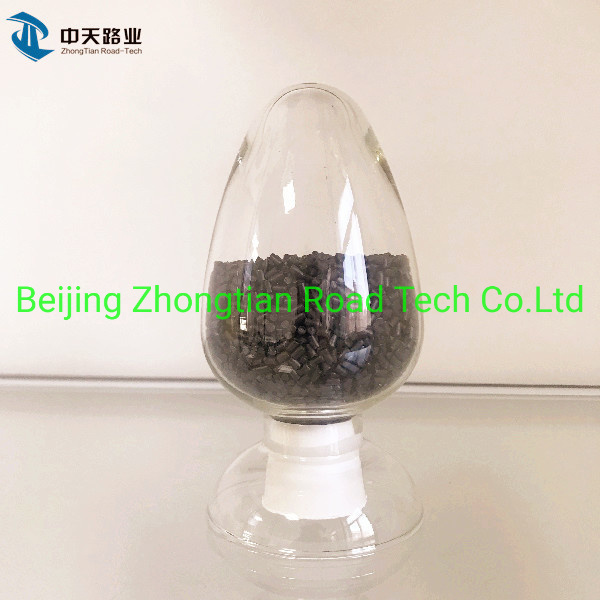
Powder grade listed around 98% content in woven bags with plastic liner
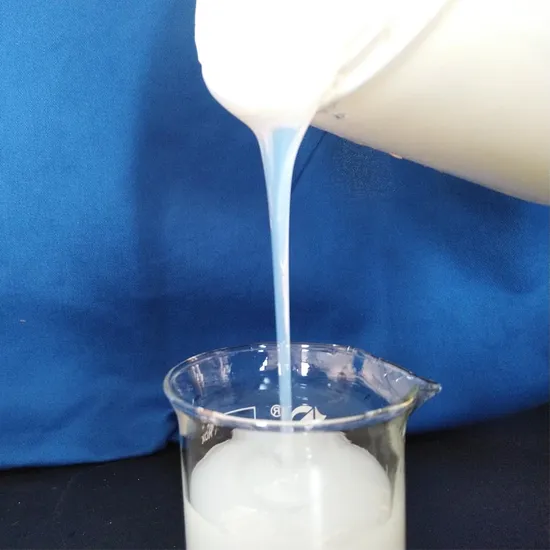
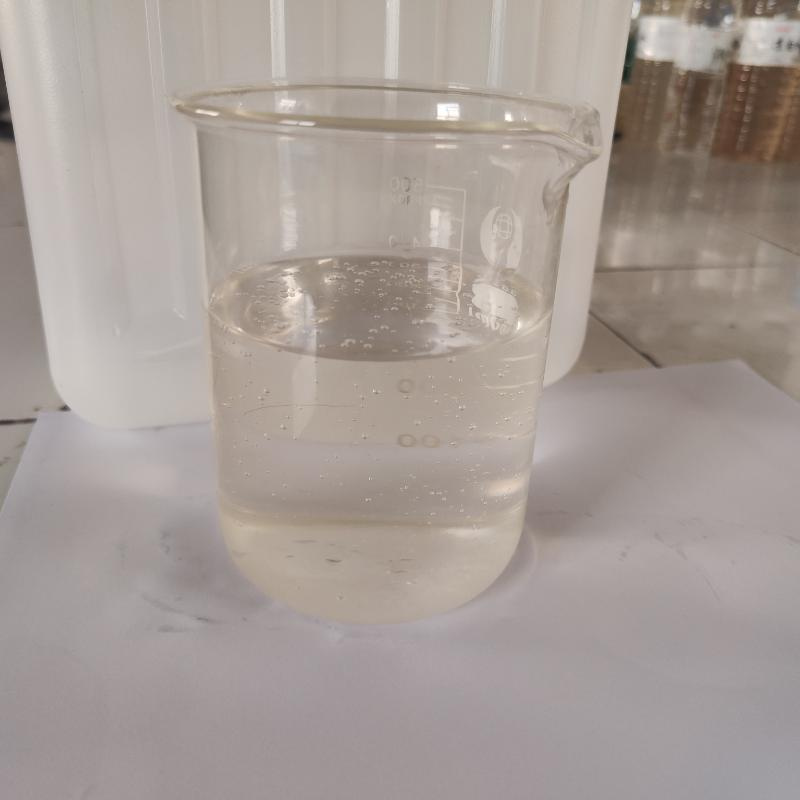
Liquid PCE grade with 50% solid content, subject to supplier confirmation
Liquid PCE grade with 60% solid content, subject to supplier confirmation
Sample-based customization may be available according to supplier profile
Private label or buyer-specific packaging may be possible after compliance and label review
Human review
Compliance notes
Request current SDS, TDS, COA, and batch-specific test report before purchase decision
Verify CAS identification or polymer description, as PCE products may be sold as mixtures or polymers rather than a single CAS substance
Confirm REACH, UK REACH, TSCA, DSL, AICS, or local inventory status only for the destination market as applicable; do not rely on marketplace wording as a regulatory guarantee
Check DG classification, UN number applicability, and transport status under IMDG/IATA/ADR based on final formulation and concentration
Confirm HS code 38244010 suitability with importer customs broker before shipment
Review chloride, sulfate, alkali, and formaldehyde test methods because source data contains more than one specification table
For construction projects, confirm compliance against buyer-required admixture standards such as ASTM C494, EN 934, or local concrete admixture specifications where relevant
Obtain export invoice, packing list, certificate of origin, SDS, COA, and any destination-specific chemical registration documents before shipment
Buyer search paths
Related sourcing terms
These terms support long-tail discovery while keeping the page focused on useful product and China export buying context.
PCE superplasticizerpolycarboxylate ether water reducerconcrete water reducing agentconcrete admixturepolycarboxylate superplasticizerslump retention admixtureconstruction chemical additivehigh range water reducerHS code 38244010chloride low concrete additive
Related product options
Build a broader quote package from adjacent options.
Buyers often compare neighboring grades, forms, or route options before sending one consolidated RFQ.
Share target market, quantity, packaging scope, artwork status, delivery destination, and required documents so CHN Chemicals can prepare a cleaner supplier comparison.
Questions to confirm
What exact grade is being quoted: powder 98%, liquid 40%, liquid 50%, or liquid 60% solid content?
Can you provide CAS number or polymer/mixture identification used on SDS and customs documents?
Please provide current TDS, SDS, COA, and a recent batch test report showing chloride, sulfate, pH, solid content, density, and water-reduction rate.
Which test standard is used for water reduction rate and slump retention?
What are the confirmed chloride ion and sulfate values for the quoted grade, including units and test method?
Is the product classified as dangerous goods for sea, air, or road transport in the quoted formulation?
What packing options are available for powder and liquid grades, and what is the loading quantity per 20 ft or 40 ft container?
Can the product meet ASTM C494, EN 934, or the buyer's local admixture standard?
Checks before quote
Request current SDS, TDS, COA, and batch-specific test report before purchase decision
Verify CAS identification or polymer description, as PCE products may be sold as mixtures or polymers rather than a single CAS substance
Confirm REACH, UK REACH, TSCA, DSL, AICS, or local inventory status only for the destination market as applicable; do not rely on marketplace wording as a regulatory guarantee
Check DG classification, UN number applicability, and transport status under IMDG/IATA/ADR based on final formulation and concentration
Confirm HS code 38244010 suitability with importer customs broker before shipment
Review chloride, sulfate, alkali, and formaldehyde test methods because source data contains more than one specification table
For construction projects, confirm compliance against buyer-required admixture standards such as ASTM C494, EN 934, or local concrete admixture specifications where relevant
Obtain export invoice, packing list, certificate of origin, SDS, COA, and any destination-specific chemical registration documents before shipment
Next step
Send the product page with your target quantity and market. A sourcing manager can then confirm sample options, supplier fit, packaging details, and open document gaps.