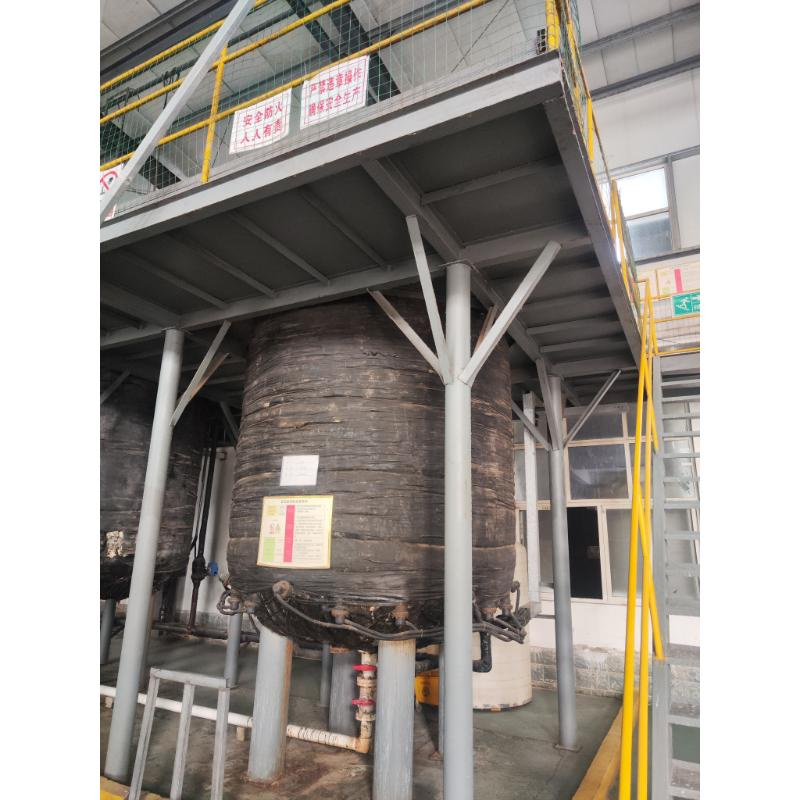
Dust Suppression Polymer, 50% Solids, CAS 25586-20-3 Check Required
Buyer-facing sourcing candidate for a water-based dust suppression polymer supplied as a liquid emulsion/concentrate. The listing indicates CAS No. 25586-20-3, formula C18H24O4, product code HN-158T, 50 wt% solids, light blue liquid appearance, and IBC/drum packing options. Buyers should confirm CAS identity, polymer composition, pH range, viscosity, impurity profile, SDS/COA availability, export classification, and destination-country acceptance before RFQ or sample purchase.
Quick buying facts
Identify the grade, package, and import market before comparing suppliers.
Use this page to check the product identity, common specification points, document scope, package notes, and destination-market questions before sending a China sourcing request.
Listed CAS No.: 25586-20-3; buyer should verify CAS relevance to the commercial polymer/emulsion and confirm whether it applies to the active component or formulationWater-based acrylic/polymer dust suppression chemicalCandidate - requires CAS, specification, impurity, and export document verification
Listed CAS No.: 25586-20-3; buyer should verify CAS relevance to the commercial polymer/emulsion and confirm whether it applies to the active component or formulation
Listed formula: C18H24O4; buyer should verify against SDS and COA because polymer products may not be represented by a simple molecular formula
Product code: HN-158T
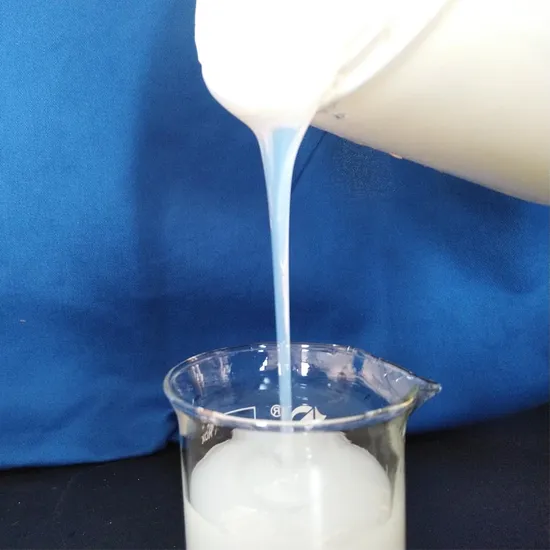
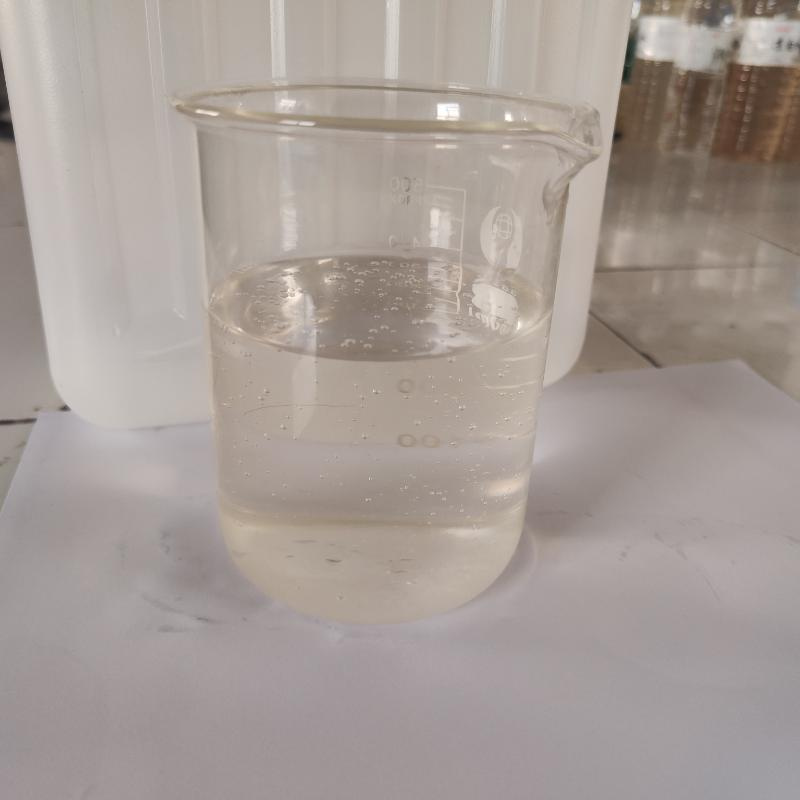
Appearance: light blue liquid
Solid content: 50 wt% / specification shown as 50%
Viscosity at 25°C: approximately 500 cps
pH: conflicting listing values observed; Basic Info shows pH 7.5-9.0 while Typical Properties shows pH 2.0-5.0; RFQ should require confirmed release specification
MFFT: 0°C
Molecular principal chain: carbon chain polymer
Color/form: white liquid noted in Basic Info; light blue liquid noted in Typical Properties; confirm final supplied appearance
HS Code listed: 3906909090
Reported production capacity: 90,000 tons per year for water-based polymer products
Who uses this page
Target buyers
Industrial chemical distributors sourcing water-based polymer additives
Mining and quarry service companies sourcing dust control binders
Construction chemical formulators and road maintenance chemical buyers
Agricultural and soil stabilization product formulators
Municipal or infrastructure supply contractors requiring polymer-based dust control inputs
Private-label dust suppression chemical brands requiring bulk emulsion supply
Before matching
Documents to check
CAS number, grade, assay, and impurity profile
SDS, COA, TDS, HS code, and transport classification
Destination-market import documents before supplier matching
Package and route
Packing notes
Sample packing options listed: 1 kg, 2 kg, 5 kg, and 10 kg bottles
Bulk packing listed: 1000 L / 1000 kg IBC tank or tote
Drum packing listed: 200 kg chemical drum, 4 drums per pallet
Container loading listed: approximately 20 tons in one 20GP; confirm actual net weight, palletization, and local road/port restrictions
Request packaging compatibility statement for aqueous polymer emulsion and confirm shelf-life, storage temperature range, and freeze-thaw sensitivity in documentation
Confirm whether export labels, marks, batch numbers, manufacturing date, and net/gross weights can be printed according to buyer requirements
Applications and sourcing options
Check whether this product fits the buyer's actual application.
Clear application, grade, package, and document notes help separate real sourcing demand from a vague price check.
Use context
Common applications
Dust suppression formulation ingredient for unpaved roads, yards, and construction areas
Polymer binder component for soil surface stabilization products
Aqueous emulsion concentrate for industrial dust control product lines
Bulk supply candidate for regional chemical distributors serving mining, construction, or agricultural sectors
How we compare
Sourcing options
Request a 1-10 kg evaluation sample with SDS, TDS, and sample COA
Proceed with 200 kg drum trial order after CAS/spec and DG checks
Use 1000 kg IBC for pilot-scale or distributor qualification
Use 20GP bulk shipment only after destination import classification, shelf-life, and storage stability are verified
Ask supplier for a customized formulation only after defining required solids, viscosity, pH, color, and regulatory limits
Human review
Compliance notes
Request current SDS in GHS format before ordering; do not rely only on marketplace description
Request batch COA showing solids, pH, viscosity, appearance, and any agreed impurity or residual monomer limits
Confirm whether the product is classified as dangerous goods for sea, air, and road transport; obtain supplier transport classification statement where available
Confirm export HS code, customs description, and country-of-origin documents with the supplier and freight forwarder
Check destination-country chemical inventory status and registration obligations before import
Ask whether the CAS number refers to an ingredient, active polymer, or the finished formulated product
Request confirmation of residual monomers, VOC, solvent content, heavy metals, biocide/preservative content, and any restricted substances relevant to the buyer’s market
No regulatory approval or compliance guarantee should be assumed from the listing; buyer must verify with local compliance professionals
Buyer search paths
Related sourcing terms
These terms support long-tail discovery while keeping the page focused on useful product and China export buying context.
dust suppression chemical supplierwater-based dust control polymerdust control polymer emulsionacrylic polymer dust suppressantsoil stabilization polymerroad dust suppressant chemicalmining dust control binder50 percent solids polymer emulsionCAS 25586-20-3 supplierHS 3906909090 polymer emulsion
Related product options
Build a broader quote package from adjacent options.
Buyers often compare neighboring grades, forms, or route options before sending one consolidated RFQ.
Share target market, quantity, packaging scope, artwork status, delivery destination, and required documents so CHN Chemicals can prepare a cleaner supplier comparison.
Questions to confirm
Please confirm the exact chemical identity: is CAS 25586-20-3 assigned to the active polymer, a monomer/resin component, or the full formulation?
Please provide the latest SDS, COA template, TDS, and product specification sheet for HN-158T.
Which pH specification is correct for commercial supply: 7.5-9.0 or 2.0-5.0? What is the release range?
What are the standard QC test methods for solids content, viscosity, pH, MFFT, and appearance?
What impurity controls are available, including residual monomer, VOC, solvent, heavy metals, formaldehyde, APEO, and preservative/biocide content?
Is the product water-based only, and does it contain any flammable solvent or hazardous component requiring DG declaration?
Can you provide non-DG statement or DG classification for ocean shipment, if applicable?
What is the recommended shelf life and storage temperature range stated on the TDS/SDS?
Checks before quote
Request current SDS in GHS format before ordering; do not rely only on marketplace description
Request batch COA showing solids, pH, viscosity, appearance, and any agreed impurity or residual monomer limits
Confirm whether the product is classified as dangerous goods for sea, air, and road transport; obtain supplier transport classification statement where available
Confirm export HS code, customs description, and country-of-origin documents with the supplier and freight forwarder
Check destination-country chemical inventory status and registration obligations before import
Ask whether the CAS number refers to an ingredient, active polymer, or the finished formulated product
Request confirmation of residual monomers, VOC, solvent content, heavy metals, biocide/preservative content, and any restricted substances relevant to the buyer’s market
No regulatory approval or compliance guarantee should be assumed from the listing; buyer must verify with local compliance professionals
Next step
Send the product page with your target quantity and market. A sourcing manager can then confirm sample options, supplier fit, packaging details, and open document gaps.