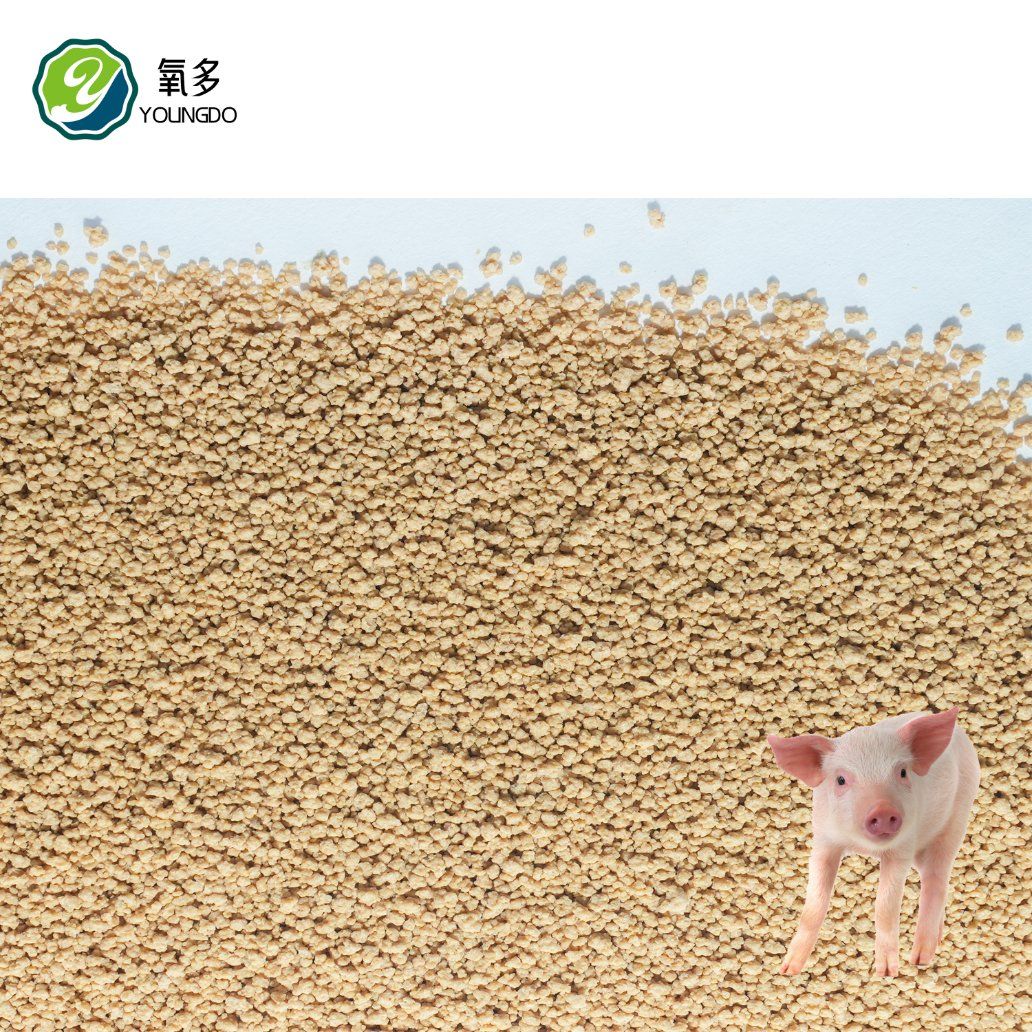
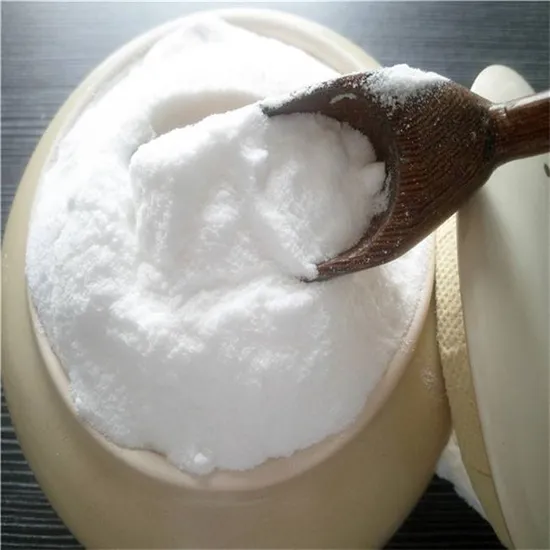
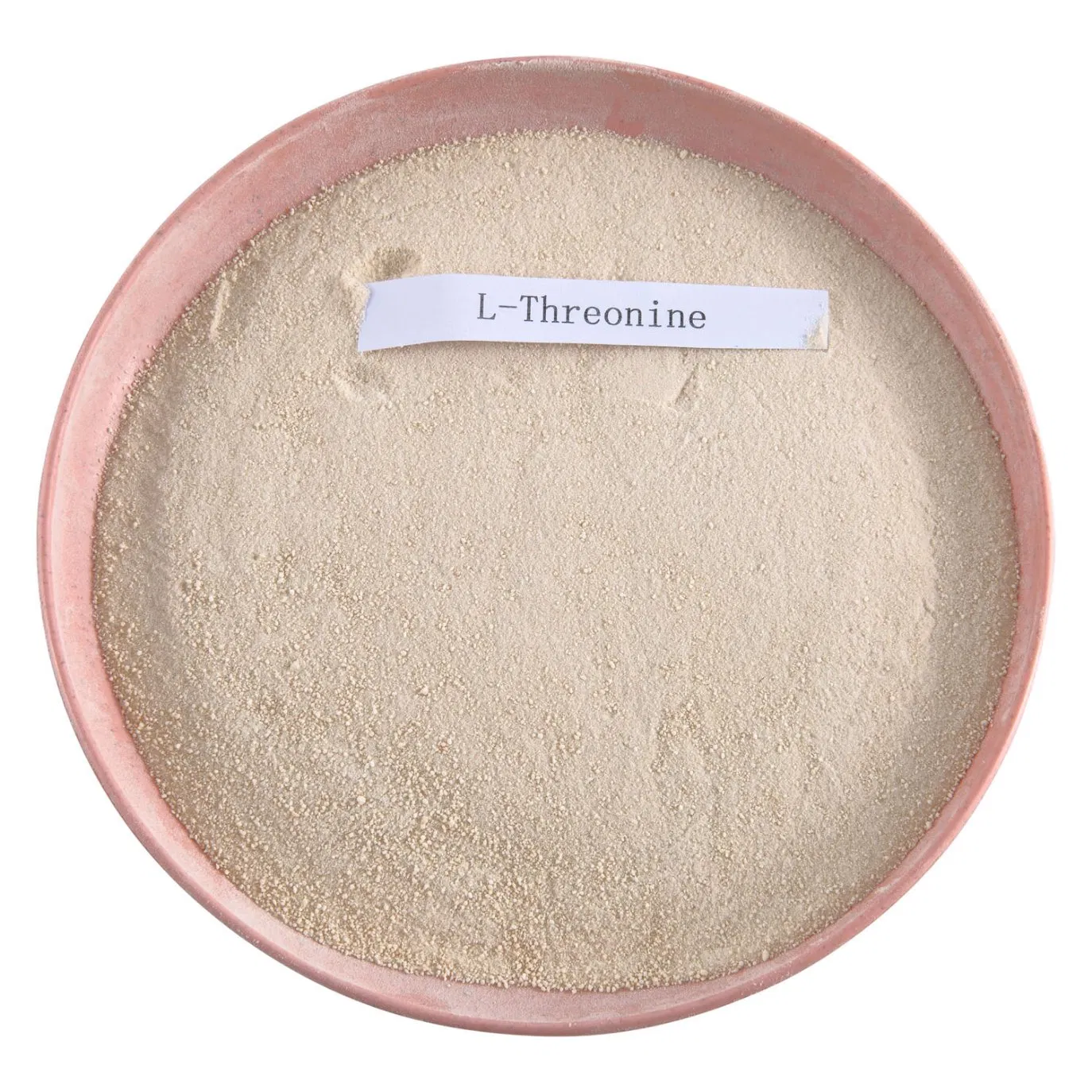
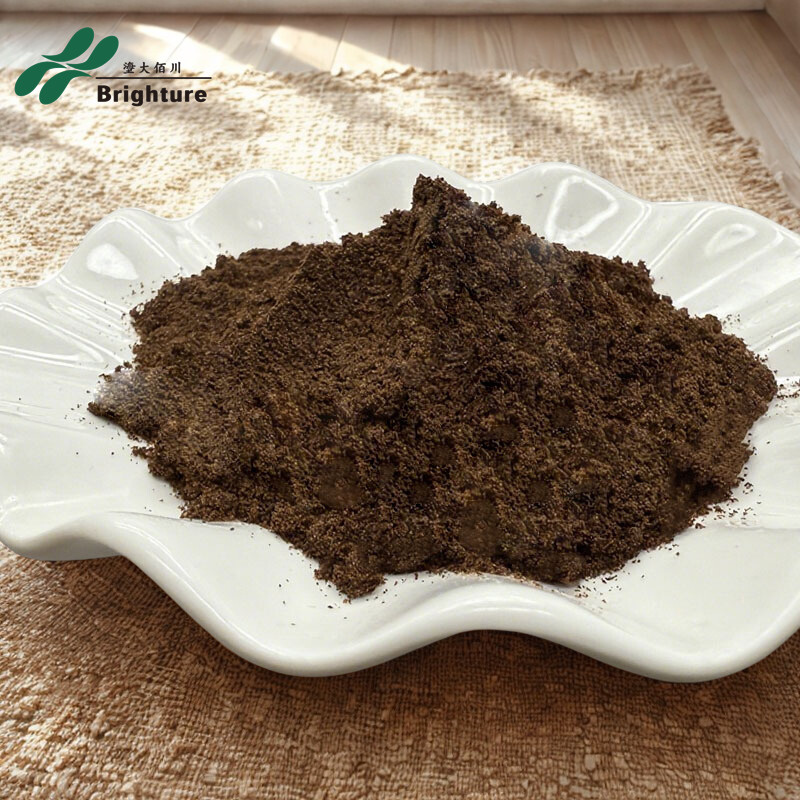
Bulk Lysine By-Product 70% Feed Grade for Export Sourcing
Feed-grade lysine by-product, also described as lysine residue, offered as a fermentation-derived protein ingredient for animal feed applications. Buyer checks should focus on crude protein basis, moisture and ash limits, feed-grade conformity, batch COA consistency, country-specific feed import documentation, and packaging suitability for bulk shipment.
Quick buying facts
Identify the grade, package, and import market before comparing suppliers.
Use this page to check the product identity, common specification points, document scope, package notes, and destination-market questions before sending a China sourcing request.
Application category: Feed additive / animal protein ingredient
HS code shown by supplier: 230990
Reported shelf life: 24 months
Reported production capacity: 2000 tons per month
Who uses this page
Target buyers
Animal feed manufacturers
Feed additive distributors
Poultry feed formulators
Swine feed producers
Aquaculture feed plants
Ruminant feed producers
Agricultural commodity importers
Feed ingredient trading companies
Before matching
Documents to check
CAS number, grade, assay, and impurity profile
SDS, COA, TDS, HS code, and transport classification
Destination-market import documents before supplier matching
Package and route
Packing notes
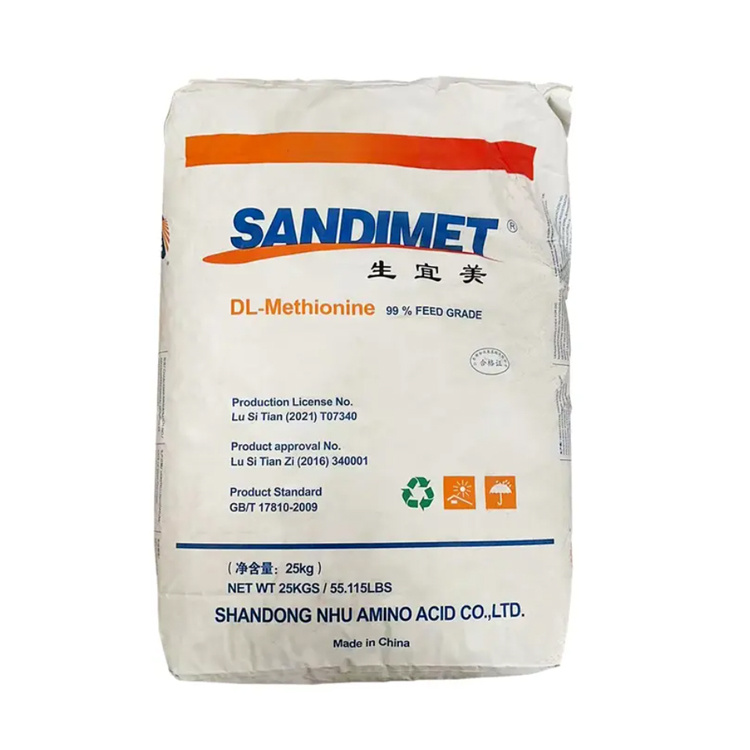
Standard packing indicated as 25 kg or 40 kg PEPA bag, kraft paper bag, or cardboard drum with two PE liners.
Transport package shown as 40 kg bag.
Custom packaging may be available according to buyer requirements.
For export RFQs, confirm palletization, container loading quantity, bag markings, batch coding, and moisture-protection method.
Request photos or samples of the proposed export packing before confirming bulk order.
Applications and sourcing options
Check whether this product fits the buyer's actual application.
Clear application, grade, package, and document notes help separate real sourcing demand from a vague price check.
Use context
Common applications
Protein ingredient sourcing for compound feed production
Cost-oriented partial replacement review for feed protein sources
Feed additive distribution in approved destination markets
Bulk import programs requiring batch COA and feed-grade documentation
Trial formulation projects where lysine fermentation residue is permitted by local feed regulations
How we compare
Sourcing options
Bulk 28-ton MOQ export inquiry
25 kg bag packing
40 kg bag packing
Kraft paper bag packing
PEPA bag packing
Cardboard drum with PE liners
Custom printed packaging subject to supplier confirmation
Sample request before bulk order
Human review
Compliance notes
Confirm whether the product is registered or accepted as a feed ingredient/additive in the destination market before shipment.
Request batch COA showing crude protein, moisture, ash, appearance, and any agreed impurity or microbiological limits.
Ask for feed-grade statement, ISO certificate if claimed, origin statement, packing list, commercial invoice, and any country-specific feed import documents.
Verify whether additional contaminants testing is needed, such as heavy metals, mycotoxins, salmonella, dioxins, or residues, based on destination feed regulations.
Confirm SDS availability and transport classification before booking shipment.
No dangerous goods classification is stated in the source text; buyer should confirm DG/non-DG status with SDS and logistics provider.
Do not treat supplier registration support as a regulatory guarantee; final import acceptance depends on destination authority requirements.
Buyer search paths
Related sourcing terms
These terms support long-tail discovery while keeping the page focused on useful product and China export buying context.
Share target market, quantity, packaging scope, artwork status, delivery destination, and required documents so CHN Chemicals can prepare a cleaner supplier comparison.
Questions to confirm
Can you provide a recent batch COA for lysine by-product 70% showing crude protein, moisture, ash, and appearance?
Is the 70% crude protein value reported on an as-is basis or dry matter basis?
What are the routine impurity, microbiological, heavy metal, and mycotoxin test items available for export batches?
Can you provide SDS, feed-grade statement, ISO certificate, origin certificate, and export document samples before order confirmation?
Is this product approved or previously exported to our destination country for feed use?
What is the minimum order quantity, lead time, and monthly available quantity for repeat shipments?
What packing options are available for 25 kg, 40 kg, jumbo bag, palletized, or private-label export packaging?
Can you provide pre-shipment inspection support through SGS, BV, CCIC, or another third party?
Checks before quote
Confirm whether the product is registered or accepted as a feed ingredient/additive in the destination market before shipment.
Request batch COA showing crude protein, moisture, ash, appearance, and any agreed impurity or microbiological limits.
Ask for feed-grade statement, ISO certificate if claimed, origin statement, packing list, commercial invoice, and any country-specific feed import documents.
Verify whether additional contaminants testing is needed, such as heavy metals, mycotoxins, salmonella, dioxins, or residues, based on destination feed regulations.
Confirm SDS availability and transport classification before booking shipment.
No dangerous goods classification is stated in the source text; buyer should confirm DG/non-DG status with SDS and logistics provider.
Do not treat supplier registration support as a regulatory guarantee; final import acceptance depends on destination authority requirements.
Next step
Send the product page with your target quantity and market. A sourcing manager can then confirm sample options, supplier fit, packaging details, and open document gaps.