L-Threonine Feed Grade Powder, CAS 72-19-5, 98.5% Min for Animal Nutrition Premix
Feed-grade L-threonine powder candidate for overseas buyers sourcing amino acid feed additives. Buyer verification should focus on CAS identity, feed-grade assay, optical rotation, moisture, ignition residue, heavy metals, arsenic, packing integrity, COA consistency, and export document readiness before RFQ confirmation.
Quick buying facts
Identify the grade, package, and import market before comparing suppliers.
Use this page to check the product identity, common specification points, document scope, package notes, and destination-market questions before sending a China sourcing request.
CAS check: 72-19-5 to be confirmed on COA, label, SDS, and customs documentsFeed-grade amino acid additiveCandidate for RFQ after CAS, COA, feed-grade, and export-document verification
CAS check: 72-19-5 to be confirmed on COA, label, SDS, and customs documents
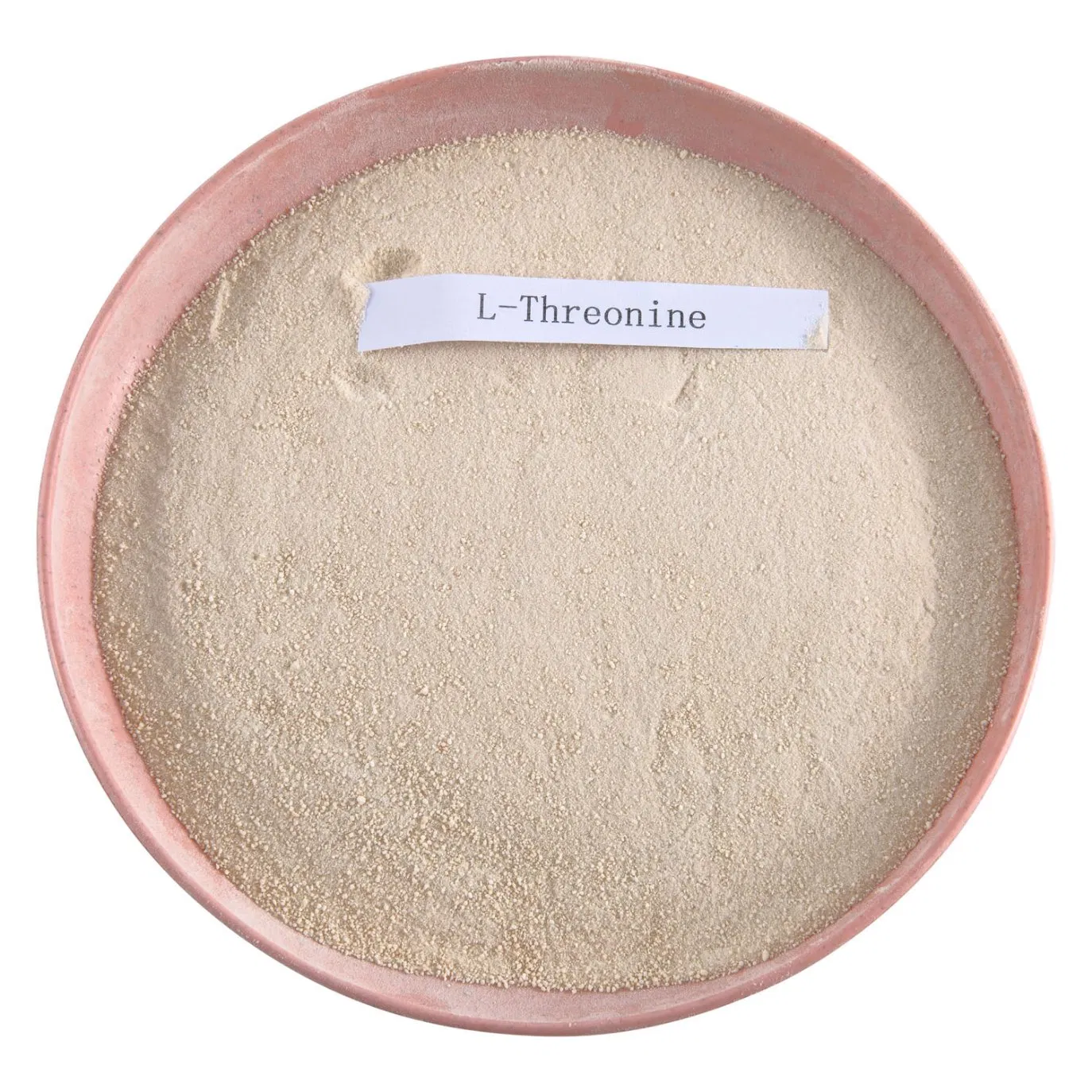
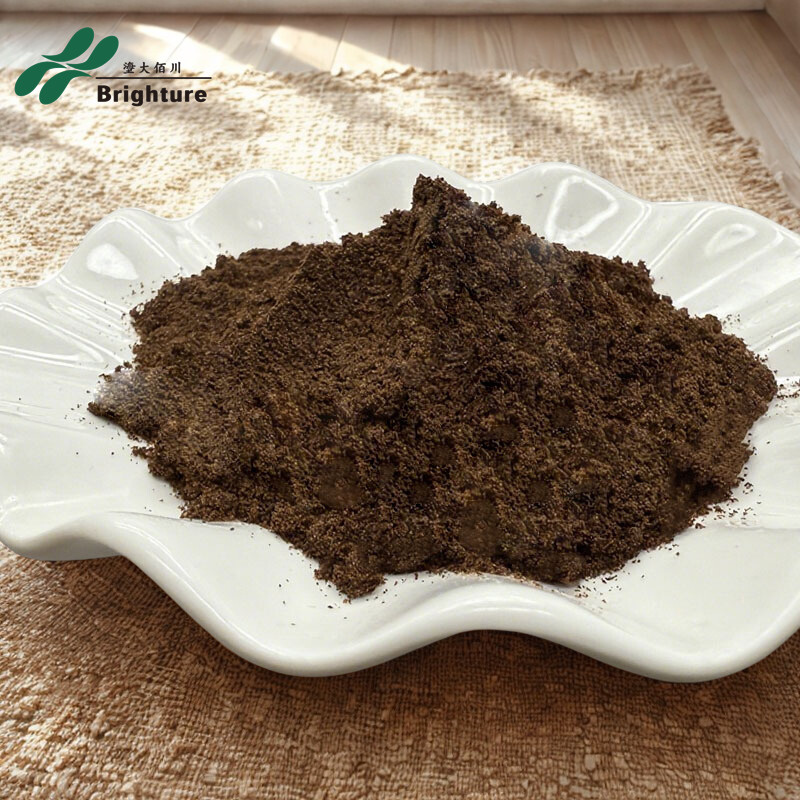
Appearance: powder, light yellow or off-white depending on batch
Assay: ≥98.5%; extracted batch result 99.30%
Specific rotation: -26.7° to -29.0°; extracted batch result -28.40°
Loss on drying: ≤1.00%; extracted batch result 0.50%
Residue on ignition: ≤0.30%; extracted batch result 0.20%
Heavy metals as Pb: ≤20 mg/kg; extracted result <20 mg/kg
Arsenic as As: ≤2 mg/kg; extracted result <2 mg/kg
Grade: feed grade; confirm compliance with destination-market feed additive requirements before purchase
Shelf life: stated as 2 years when properly stored; confirm manufacturing date and retest date per lot
Who uses this page
Target buyers
Animal feed premix manufacturers
Poultry feed producers
Swine feed producers
Aquaculture feed formulators
Feed additive distributors
Livestock nutrition ingredient importers
Toll blenders for feed premixes
Before matching
Documents to check
CAS number, grade, assay, and impurity profile
SDS, COA, TDS, HS code, and transport classification
Destination-market import documents before supplier matching
Package and route
Packing notes
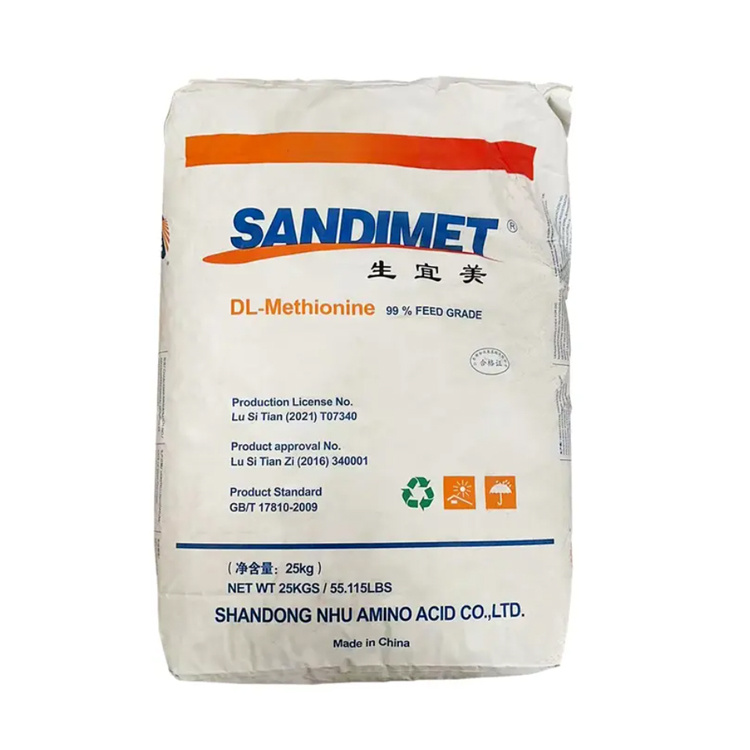
Standard packing stated as net 25 kg plastic woven bags with PE lining
Container loading stated as 20 MT per 20' FCL without pallets
Container loading stated as 16 MT per 20' FCL with pallets
Palletized packing may be requested by buyer before quotation confirmation
Ask for bag label photos, pallet photos, and container loading photos before shipment
Confirm inner liner, bag stitching/sealing, batch number marking, and moisture protection method
Applications and sourcing options
Check whether this product fits the buyer's actual application.
Clear application, grade, package, and document notes help separate real sourcing demand from a vague price check.
Use context
Common applications
Amino acid balancing in compound feed formulations
Feed premix ingredient sourcing for poultry, swine, and aquaculture applications
Low-protein feed formulation support where permitted by local feed regulations
Bulk container procurement for feed additive distribution
Replacement or dual-sourcing program for feed-grade threonine
How we compare
Sourcing options
25 kg bag trial or sample-based qualification before bulk order
Full-container shipment at stated 20 MT per 20' FCL without pallets
Palletized full-container shipment at stated 16 MT per 20' FCL
Buyer-specified packing, pallet, and label requirements subject to supplier confirmation
Pre-shipment COA review and optional third-party inspection
Mixed-container sourcing only after segregation and contamination-control details are confirmed
Human review
Compliance notes
Request current COA, SDS, TDS/specification sheet, feed-grade declaration, packing list, commercial invoice, certificate of origin if needed, and label draft before shipment
Confirm CAS number, product name, grade, assay basis, and impurity limits are consistent across COA, SDS, invoice, and label
Check whether the product is classified as dangerous goods for the planned route; amino acid feed-grade powders are commonly shipped as general cargo, but final DG status must be confirmed by SDS and carrier review
Verify destination-market import requirements for feed additives, including registration, labeling, and permitted-use rules where applicable
No regulatory approval or import clearance should be assumed from supplier listing claims
Confirm GMO status, animal-origin-free statement, allergen statement, BSE/TSE statement, and contaminant limits if required by buyer’s feed program
Request recent third-party test reports if heavy metals, microbiology, dioxins, mycotoxins, or feed safety parameters are required by the buyer
Buyer search paths
Related sourcing terms
These terms support long-tail discovery while keeping the page focused on useful product and China export buying context.
Share target market, quantity, packaging scope, artwork status, delivery destination, and required documents so CHN Chemicals can prepare a cleaner supplier comparison.
Questions to confirm
Can you provide the latest COA for the exact lot with CAS 72-19-5, assay, specific rotation, loss on drying, residue on ignition, Pb, and As?
Is the material L-threonine feed grade at ≥98.5% assay, and is the assay reported on dry basis or as-is basis?
What are the current batch manufacturing date, shelf life, and retest date?
Can you share SDS, TDS, label artwork, feed-grade declaration, and certificate of origin before order confirmation?
Is the product non-DG for the intended sea or air route according to the current SDS?
Can you support 25 kg bags with PE liner, palletized packing, stretch wrapping, and container loading photos?
What is the MOQ, lead time, available monthly capacity, and nearest loading port?
Can you provide pre-shipment samples and retain samples from the shipped lot?
Checks before quote
Request current COA, SDS, TDS/specification sheet, feed-grade declaration, packing list, commercial invoice, certificate of origin if needed, and label draft before shipment
Confirm CAS number, product name, grade, assay basis, and impurity limits are consistent across COA, SDS, invoice, and label
Check whether the product is classified as dangerous goods for the planned route; amino acid feed-grade powders are commonly shipped as general cargo, but final DG status must be confirmed by SDS and carrier review
Verify destination-market import requirements for feed additives, including registration, labeling, and permitted-use rules where applicable
No regulatory approval or import clearance should be assumed from supplier listing claims
Confirm GMO status, animal-origin-free statement, allergen statement, BSE/TSE statement, and contaminant limits if required by buyer’s feed program
Request recent third-party test reports if heavy metals, microbiology, dioxins, mycotoxins, or feed safety parameters are required by the buyer
Next step
Send the product page with your target quantity and market. A sourcing manager can then confirm sample options, supplier fit, packaging details, and open document gaps.