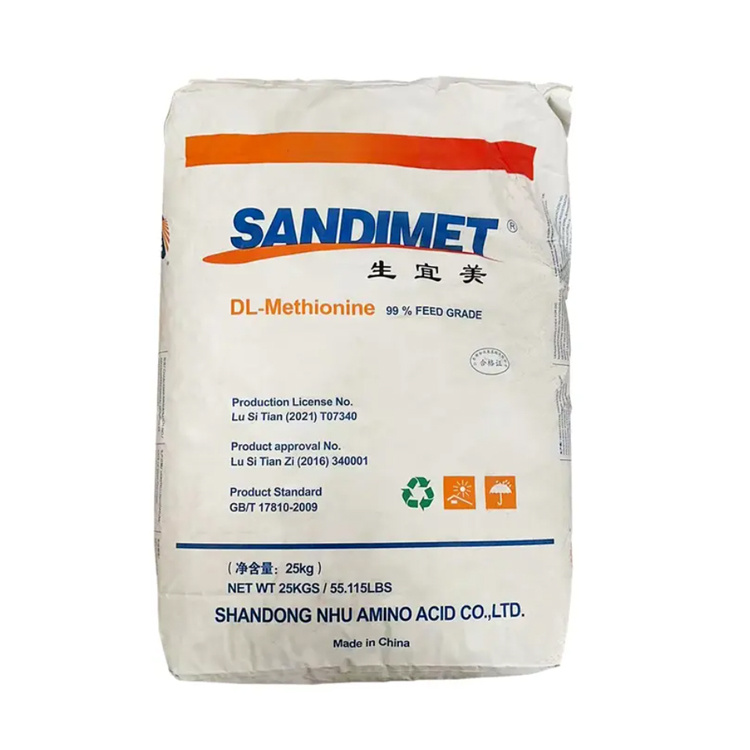
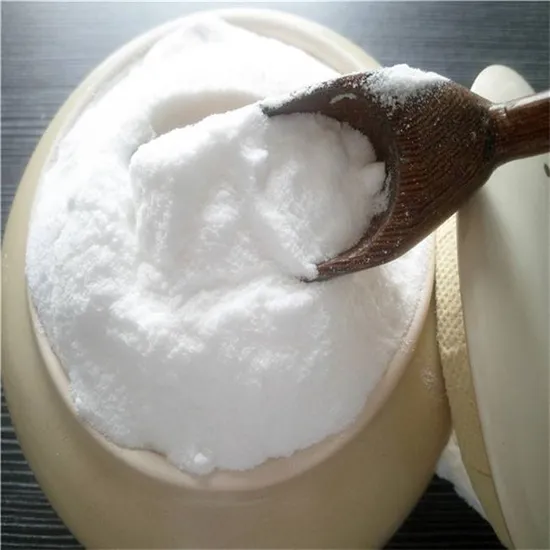
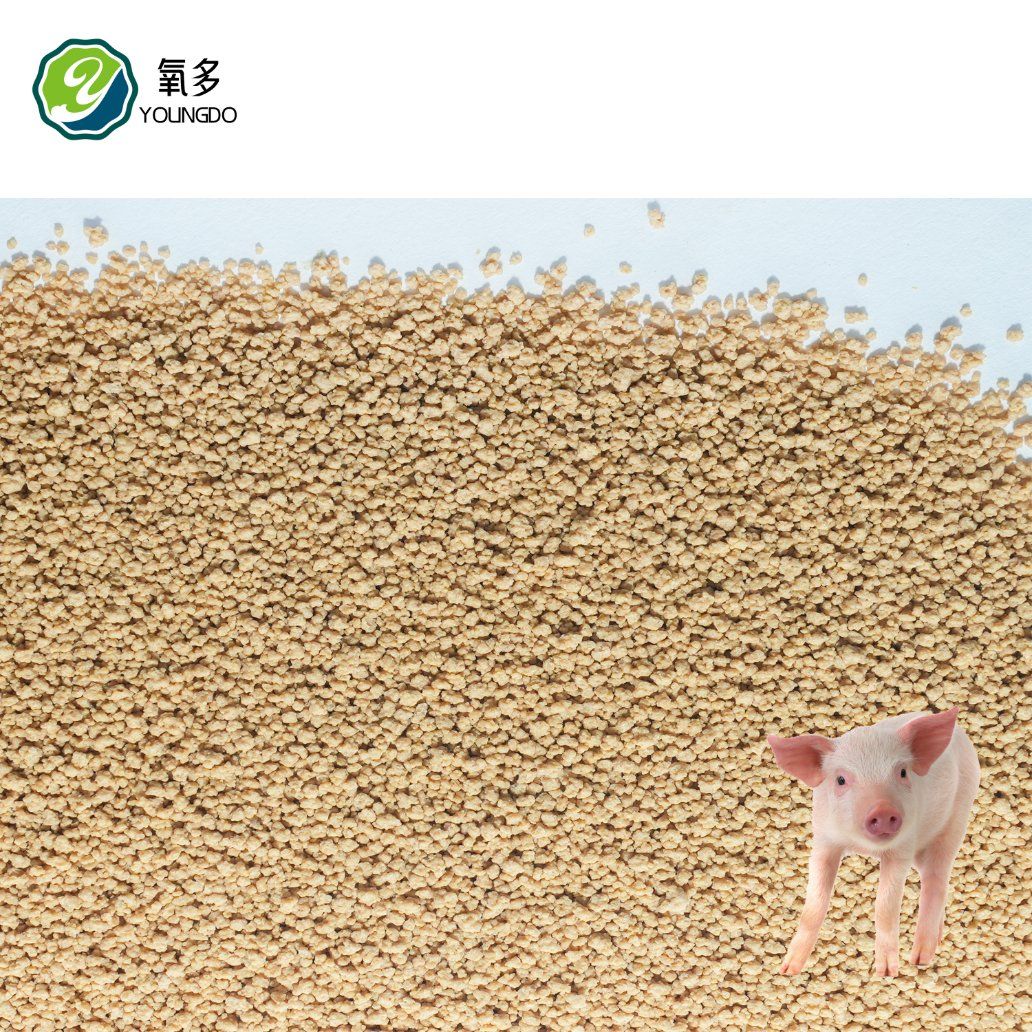
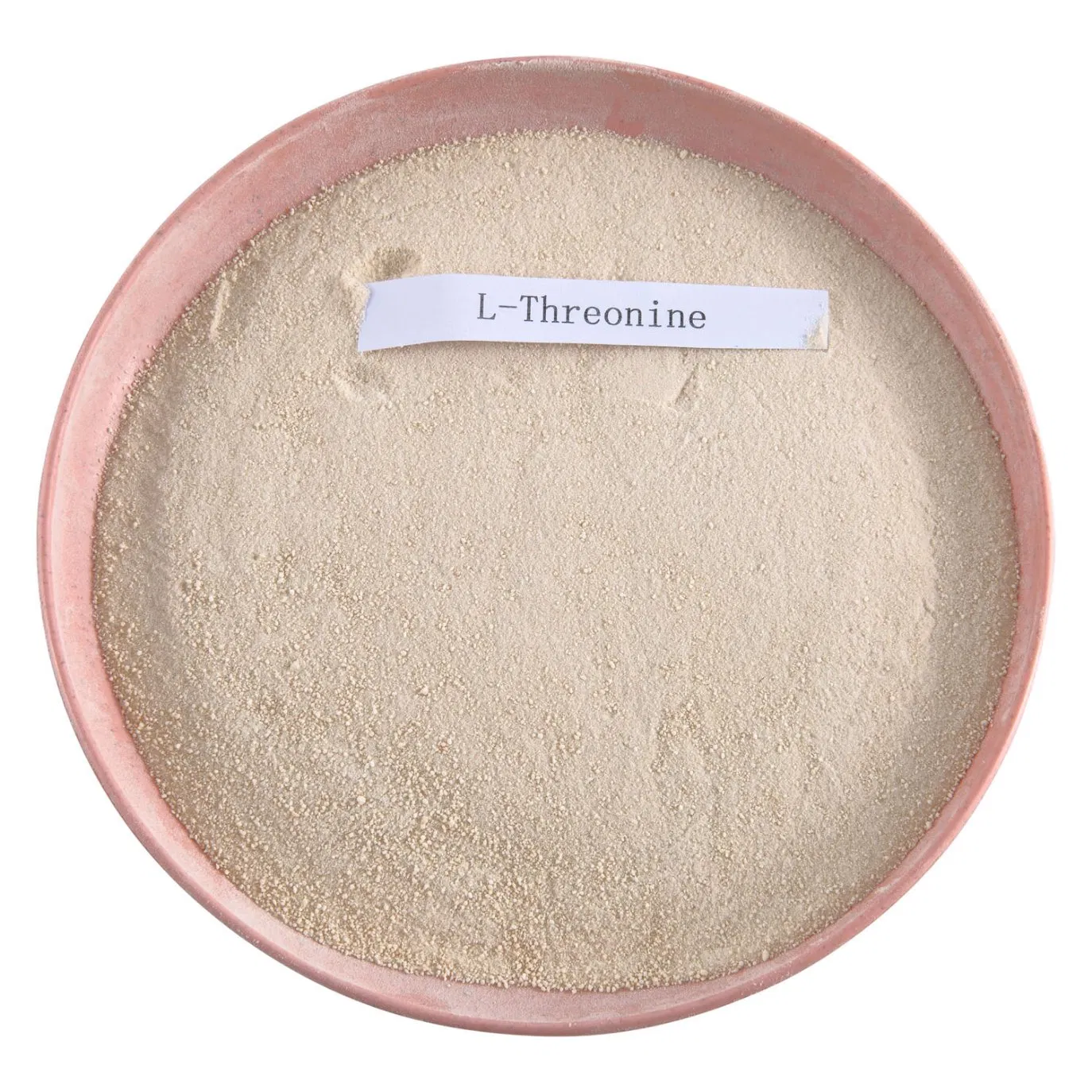
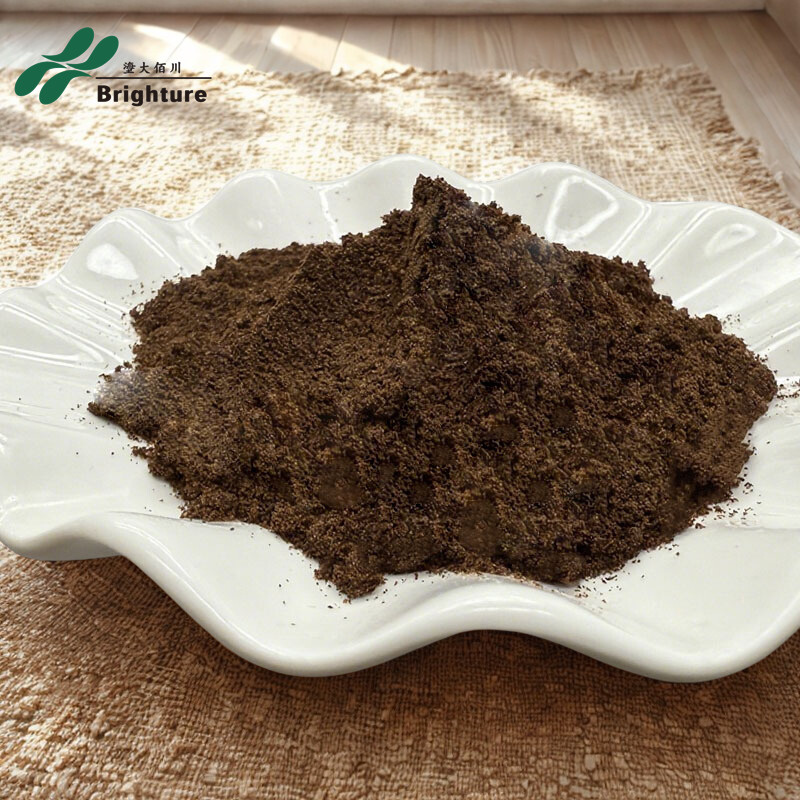
Buyer-facing sourcing profile for feed grade amino acid additives from a China supplier listing, covering DL-methionine and other common feed amino acids such as lysine, threonine, and tryptophan. The source page references powder form, ISO/GMP claims, 25 kg bag packing, China origin, HS code 2309901000, and animal feed nutrition enhancer positioning. Buyers should confirm the exact amino acid, CAS number, assay basis, feed grade standard, impurity profile, COA availability, export documents, and whether the offer is a single product or multiple amino acid options.
Quick buying facts
Identify the grade, package, and import market before comparing suppliers.
Use this page to check the product identity, common specification points, document scope, package notes, and destination-market questions before sending a China sourcing request.
CAS check required: DL-Methionine CAS 59-51-8; L-Lysine HCl CAS 657-27-2; L-Threonine CAS 72-19-5; L-Tryptophan CAS 73-22-3, subject to supplier confirmationFeed additive / amino acid nutrition enhancerNeeds identity and COA verification before RFQ shortlist
Product identity to be confirmed per RFQ: DL-Methionine, L-Lysine HCl, L-Threonine, L-Tryptophan, or blended amino acid additive
CAS check required: DL-Methionine CAS 59-51-8; L-Lysine HCl CAS 657-27-2; L-Threonine CAS 72-19-5; L-Tryptophan CAS 73-22-3, subject to supplier confirmation
Grade: feed grade, to be verified against buyer market requirements and supplier COA
Assay: source title mentions 99.9%, but assay must be confirmed by product-specific COA and test method
Appearance: powder, per source page
Specification reference: 25 kg/bag listed; buyer should request full technical specification sheet
HS code shown on source page: 2309901000, to be checked by importer/export broker against actual composition
Origin: China, per source page
Production capacity stated: 100,000 kg/month, to be verified during supplier qualification
Certifications claimed: ISO and GMP, document copies and scope should be checked
Who uses this page
Target buyers
Feed additive importers
Animal nutrition distributors
Premix manufacturers
Feed mills
Livestock and poultry feed formulators
Aquaculture feed manufacturers
Private-label feed additive buyers
Agricultural chemical sourcing teams
Before matching
Documents to check
CAS number, grade, assay, and impurity profile
SDS, COA, TDS, HS code, and transport classification
Destination-market import documents before supplier matching
Package and route
Packing notes
Source page lists 25 kg/bag as standard packing
Custom packaging is indicated as available, but buyer should confirm bag material, liner, palletization, and labeling format
Request batch number, manufacture date, retest/expiry date, net weight, gross weight, and country-of-origin marking on labels
For export orders, confirm moisture protection, container loading plan, pallet fumigation status if wood pallets are used, and shelf-life conditions stated on documents
Ask whether sample packaging and commercial packaging are from the same production and QC system
Applications and sourcing options
Check whether this product fits the buyer's actual application.
Clear application, grade, package, and document notes help separate real sourcing demand from a vague price check.
Use context
Common applications
Ingredient sourcing for feed grade amino acid supplementation
Raw material procurement for premix manufacturing
Distributor stock for feed nutrition enhancer product lines
Custom blend development where buyer provides target amino acid profile and destination labeling requirements
Containerized export sourcing of standard 25 kg bag feed additive materials
How we compare
Sourcing options
Single amino acid purchase: DL-Methionine, L-Lysine HCl, L-Threonine, or L-Tryptophan after CAS and assay confirmation
Mixed amino acid container sourcing subject to supplier availability and compatible packing
OEM/private label packing if the buyer provides compliant label text and destination-market requirements
Sample evaluation before bulk order, with COA and SDS matched to the quoted specification
Specification-based RFQ using buyer-defined assay, impurity, packing, and document requirements
Human review
Compliance notes
Confirm exact product identity before quoting because the listing combines lysine, methionine, threonine, tryptophan, and zinc methionine-related text
Request COA for the offered batch or recent production lot, including assay, loss on drying/moisture, heavy metals, arsenic, lead, cadmium, mercury where applicable, particle size if relevant, and microbiological limits if required by destination market
Request SDS, TDS/specification sheet, feed grade declaration, non-GMO statement if required, allergen statement if required, and country-specific import documentation readiness
Verify ISO/GMP certificates, certificate scope, issuing body, validity period, and whether they apply to feed additive production or another product category
No regulatory approval is guaranteed by the listing; importer should verify registration, labeling, feed additive approval, and customs requirements in the destination country
DG status should be confirmed through SDS and transport classification; common amino acid feed additives are often shipped as non-dangerous goods, but classification must be product- and formulation-specific
Check whether the product is pure amino acid, amino acid salt, chelated mineral complex, premix, or feed additive blend because this affects HS code, labeling, import permits, and specification limits
Confirm whether any animal drug, medicated feed, antibiotic, hormone, or veterinary therapeutic claim is associated with the offered item; buyer should avoid unsupported or prohibited claims
Buyer search paths
Related sourcing terms
These terms support long-tail discovery while keeping the page focused on useful product and China export buying context.
Share target market, quantity, packaging scope, artwork status, delivery destination, and required documents so CHN Chemicals can prepare a cleaner supplier comparison.
Questions to confirm
Which exact amino acid or formulation is being quoted: DL-Methionine, L-Lysine HCl, L-Threonine, L-Tryptophan, zinc methionine, or a custom blend?
What is the CAS number, molecular form, assay percentage, and test method for the quoted product?
Can you provide a recent COA, TDS/specification sheet, SDS, feed grade declaration, and sample label before order confirmation?
Is the stated 99.9% assay applicable to the exact offered product, and is it on dry basis or as-is basis?
What impurity limits are controlled, including moisture, ash, heavy metals, residual solvents if relevant, microbiology, and insoluble matter?
What is the standard packing: 25 kg bag, inner liner type, palletized or non-palletized, and container loading quantity?
What documents can be provided for export: commercial invoice, packing list, COA, SDS, certificate of origin, health/feed certificate if applicable, and insurance/BL documents?
What is the minimum order quantity for each amino acid, and are mixed-container orders available?
Checks before quote
Confirm exact product identity before quoting because the listing combines lysine, methionine, threonine, tryptophan, and zinc methionine-related text
Request COA for the offered batch or recent production lot, including assay, loss on drying/moisture, heavy metals, arsenic, lead, cadmium, mercury where applicable, particle size if relevant, and microbiological limits if required by destination market
Request SDS, TDS/specification sheet, feed grade declaration, non-GMO statement if required, allergen statement if required, and country-specific import documentation readiness
Verify ISO/GMP certificates, certificate scope, issuing body, validity period, and whether they apply to feed additive production or another product category
No regulatory approval is guaranteed by the listing; importer should verify registration, labeling, feed additive approval, and customs requirements in the destination country
DG status should be confirmed through SDS and transport classification; common amino acid feed additives are often shipped as non-dangerous goods, but classification must be product- and formulation-specific
Check whether the product is pure amino acid, amino acid salt, chelated mineral complex, premix, or feed additive blend because this affects HS code, labeling, import permits, and specification limits
Confirm whether any animal drug, medicated feed, antibiotic, hormone, or veterinary therapeutic claim is associated with the offered item; buyer should avoid unsupported or prohibited claims
Next step
Send the product page with your target quantity and market. A sourcing manager can then confirm sample options, supplier fit, packaging details, and open document gaps.