Hydrophilic Cationic Silicone Softener KR-550 for Textile Finishing
KR-550 is a liquid textile softener positioned for hydrophilic, soft, and smooth handle finishing on cotton, polyester, and blended fabrics. Overseas buyers should verify the exact active content, silicone chemistry, pH range, ionic character, appearance, Oeko-Tex documentation, HS classification, drum packing, and export document readiness before RFQ confirmation.
Quick buying facts
Identify the grade, package, and import market before comparing suppliers.
Use this page to check the product identity, common specification points, document scope, package notes, and destination-market questions before sending a China sourcing request.
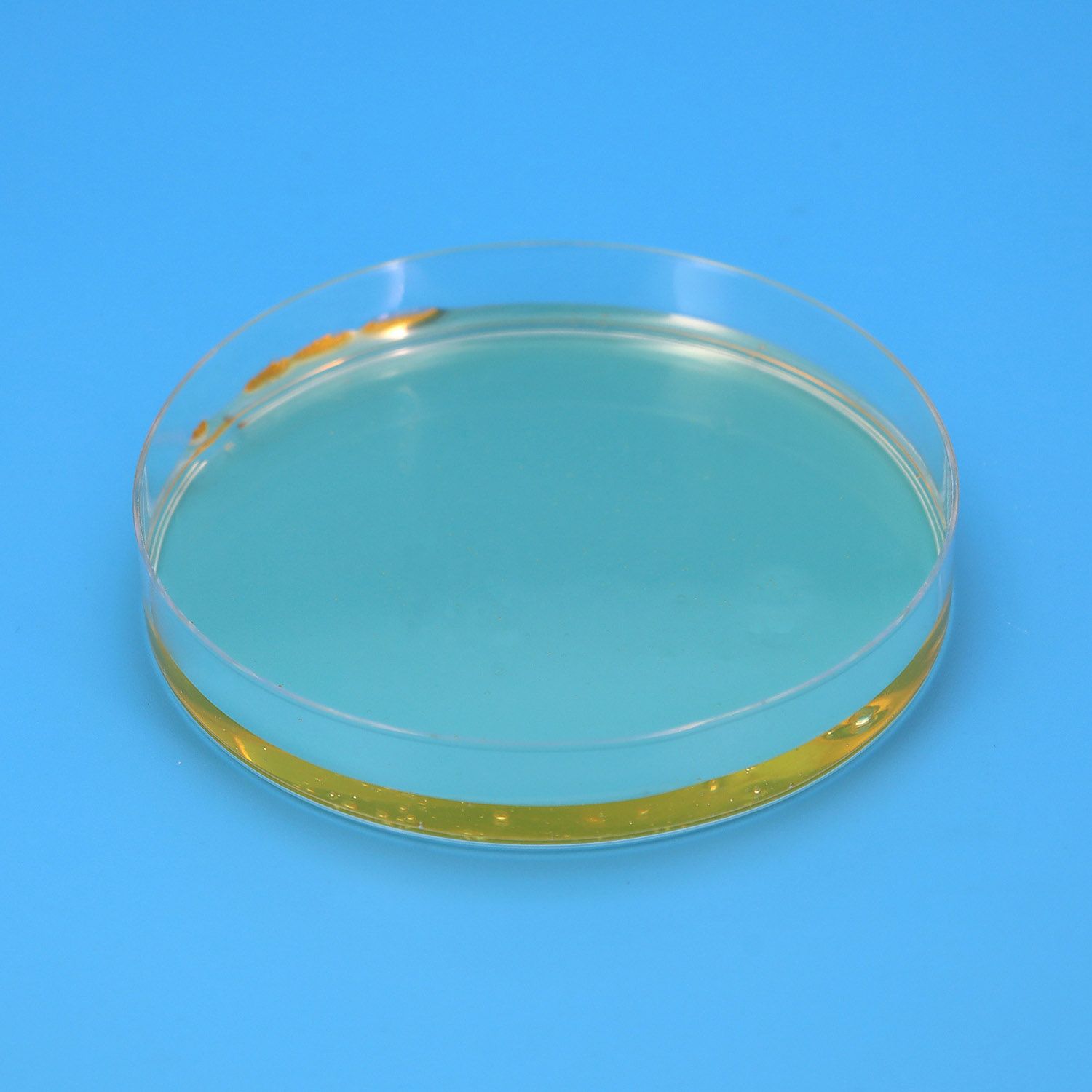
Appearance: light yellow to light brown viscous liquidTextile auxiliary / hydrophilic silicone softenerCandidate for RFQ with specification and document verification
Appearance: light yellow to light brown viscous liquid
Ionicity: cationic
pH: 5.0-8.0 for 10% solution; product comparison table also lists KR-550 pH 5.0-7.0
Application: textile printing, dyeing, and post-processing auxiliary
Function claims: hydrophilic effect, soft/smooth hand feel, suitable for colored fabric
Suggested buyer check: active content or solid content, silicone type, viscosity, dilution stability, yellowing tendency, shade impact, and compatibility with local finishing recipes
HS code shown by supplier: 380991
Reported production capacity: 4000 MT/year
Who uses this page
Target buyers
Textile dyeing and finishing mills
Garment washing plants
Home textile processors
Fabric mills handling cotton, polyester, and blended fabrics
Chemical importers and distributors serving Bangladesh textile factories
Sourcing teams needing hydrophilic softener alternatives
Before matching
Documents to check
CAS number, grade, assay, and impurity profile
SDS, COA, TDS, HS code, and transport classification
Destination-market import documents before supplier matching
Package and route
Packing notes
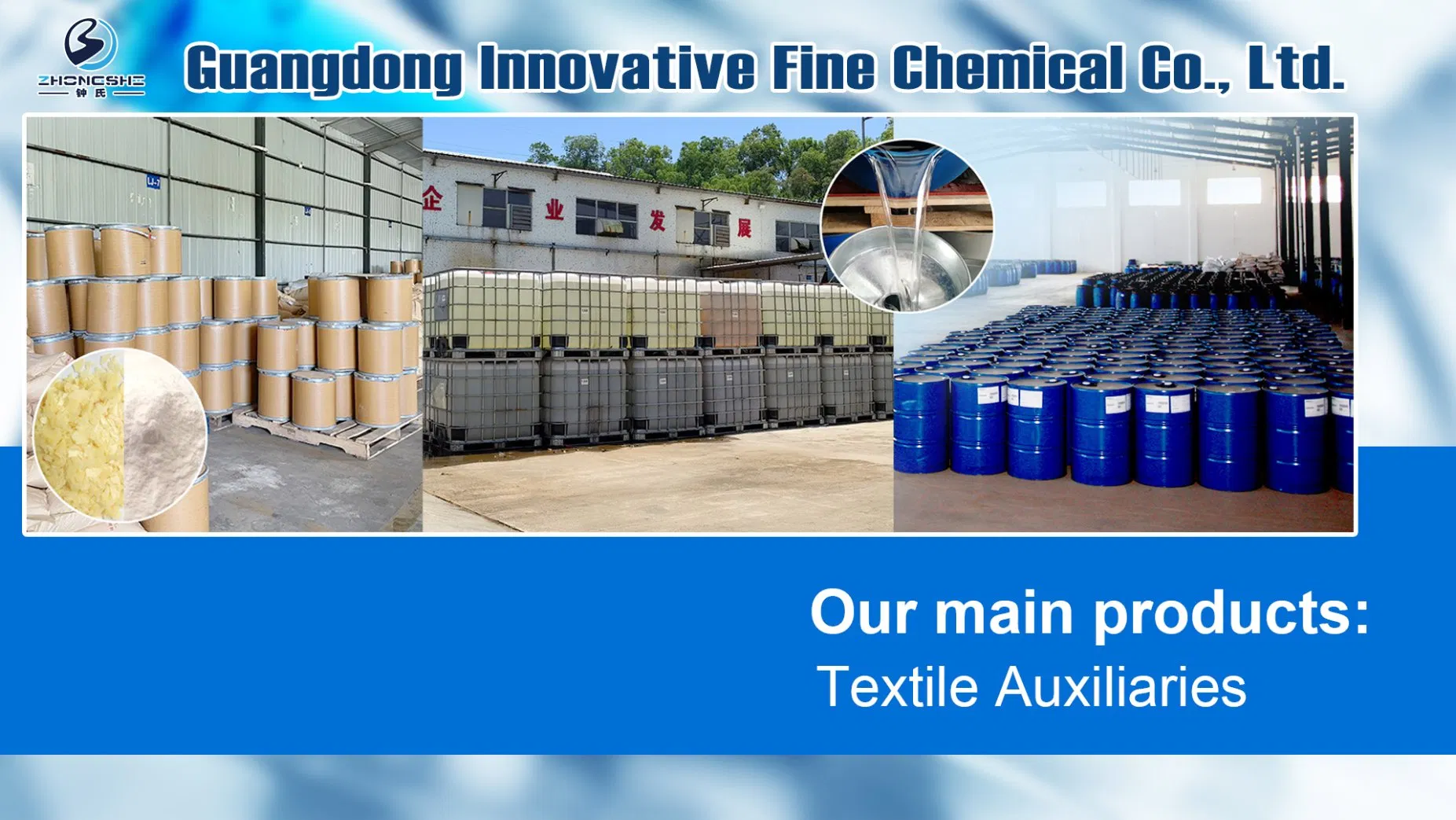
Supplier page lists transport package as drums
Pack sizes referenced: 50 kg / 130 kg / 150 kg / 160 kg drums; storage section also references 50 L / 60 L / 120 L / 150 L plastic drums
Confirm net weight per drum, palletization, container loading quantity, sealing method, and whether export labels match destination requirements
Shelf life stated as 12 months when stored in cool, shaded conditions; request COA with manufacturing date and batch number
Applications and sourcing options
Check whether this product fits the buyer's actual application.
Clear application, grade, package, and document notes help separate real sourcing demand from a vague price check.
Use context
Common applications
Hydrophilic softening finish for colored fabrics
Soft and smooth hand-feel finishing for cotton, polyester, and blended textiles
Post-processing auxiliary for dyeing and finishing plants
Evaluation as an alternative silicone softener for Bangladesh textile production
Lab comparison against existing cationic or hydrophilic softeners
How we compare
Sourcing options
Request factory-direct quotation from Qingdao Kerun Bio-Technology Co., Ltd.
Ask for sample shipment before bulk order confirmation
Compare KR-550 with KR-516 and KR-518 if different hydrophilicity or softness balance is required
Source by drum packing for trial order, then negotiate container quantity for repeat shipment
Use Bangladesh office or local support channel if available for technical and delivery coordination
Human review
Compliance notes
Request SDS, COA, TDS, packing list, commercial invoice, certificate of origin, and any Oeko-Tex or textile compliance documents claimed
Confirm whether the product is classified as dangerous goods for sea or air shipment, including UN number, packing group, and transport hazard class if applicable
Verify destination-specific textile chemical restrictions for Bangladesh buyers, including buyer RSL/MRSL requirements where relevant
Ask supplier to confirm CAS identifiers or chemical family disclosure where available, especially for silicone softener components and preservatives
Do not rely on marketplace certification labels alone; request current, batch-relevant documents from the manufacturer or exporter
Confirm HS code, export declaration name, and customs description before shipment
Buyer search paths
Related sourcing terms
These terms support long-tail discovery while keeping the page focused on useful product and China export buying context.
Share target market, quantity, packaging scope, artwork status, delivery destination, and required documents so CHN Chemicals can prepare a cleaner supplier comparison.
Questions to confirm
What is the exact product name and batch specification for KR-550, and is it the same formulation as shown on the supplier page?
What are the active content or solid content, viscosity range, pH test method, and ionic character confirmation?
Can you provide current SDS, TDS, COA, Oeko-Tex documentation, and any MRSL/RSL support documents?
Is KR-550 classified as dangerous goods for export shipment? If not, can you provide a non-DG statement from the shipper or manufacturer?
What are the available drum sizes by net weight, and how many drums fit in a 20 ft or 40 ft container?
Can you supply a pre-shipment sample and batch COA for lab finishing evaluation?
What is the minimum order quantity for Bangladesh shipment, and can mixed container loading be arranged with related textile auxiliaries?
What is the lead time, payment term, loading port, and Incoterm option for export orders?
Checks before quote
Request SDS, COA, TDS, packing list, commercial invoice, certificate of origin, and any Oeko-Tex or textile compliance documents claimed
Confirm whether the product is classified as dangerous goods for sea or air shipment, including UN number, packing group, and transport hazard class if applicable
Verify destination-specific textile chemical restrictions for Bangladesh buyers, including buyer RSL/MRSL requirements where relevant
Ask supplier to confirm CAS identifiers or chemical family disclosure where available, especially for silicone softener components and preservatives
Do not rely on marketplace certification labels alone; request current, batch-relevant documents from the manufacturer or exporter
Confirm HS code, export declaration name, and customs description before shipment
Next step
Send the product page with your target quantity and market. A sourcing manager can then confirm sample options, supplier fit, packaging details, and open document gaps.