PDMS Silicone Oil Emulsion 60% Active for Textile Softening and Surface Treatment
Water-based polydimethylsiloxane silicone oil emulsion offered as a white milky liquid for textile softening, release, glazing, anti-sticking, waterproofing, and related surface-treatment applications. The listed product appears to be a silicone emulsion grade with reported solids around 64.5% for the dimethyl silicone emulsion version, customizable viscosity options, and drum or IBC packing. Overseas buyers should confirm the exact CAS identification, polymer type, active content basis, pH, emulsion stability, impurity profile, and export documentation before RFQ placement.
Quick buying facts
Identify the grade, package, and import market before comparing suppliers.
Use this page to check the product identity, common specification points, document scope, package notes, and destination-market questions before sending a China sourcing request.
CAS No.: not clearly stated on source page; buyer should request exact CAS or polymer identifier for the supplied gradeSilicone oil emulsion / PDMS emulsion chemical auxiliaryCandidate for RFQ after CAS, active-content, impurity, and export-document verification
Reported grade/type: Dimethyl silicone emulsion, textile softener and surface-treatment auxiliary
Appearance: White milky liquid
Reported active/solid content: marketed as 60% active; extracted test value shows solid content 64.5% for dimethyl silicone emulsion
Reported pH: 8.74 for dimethyl silicone emulsion; hydroxy silicone oil emulsion option listed at pH 5.5-8.2
Viscosity options: 50 cSt, 100 cSt, 350 cSt, 500 cSt, 1000 cSt, customizable; buyer should confirm whether this refers to base silicone oil or finished emulsion
Centrifuge stability: reported no stratification, no surface oil, no solid lumps, and no visible impurities under 3000 rpm / 30 min test conditions
CAS No.: not clearly stated on source page; buyer should request exact CAS or polymer identifier for the supplied grade
HS code listed: 3910000000
Certifications referenced by supplier: ISO9001, ISO14001, IATF16949; buyer should request current certificates if relevant
Who uses this page
Target buyers
Textile finishing chemical distributors
Textile mills sourcing softener auxiliaries
Home textile and garment finishing plants
Industrial surface-treatment formulators
Release-agent and lubricant formulators
Coating, paper, leather, rubber, and plastics auxiliary buyers
Chemical importers seeking China-origin silicone emulsion supply
Before matching
Documents to check
CAS number, grade, assay, and impurity profile
SDS, COA, TDS, HS code, and transport classification
Destination-market import documents before supplier matching
Package and route
Packing notes
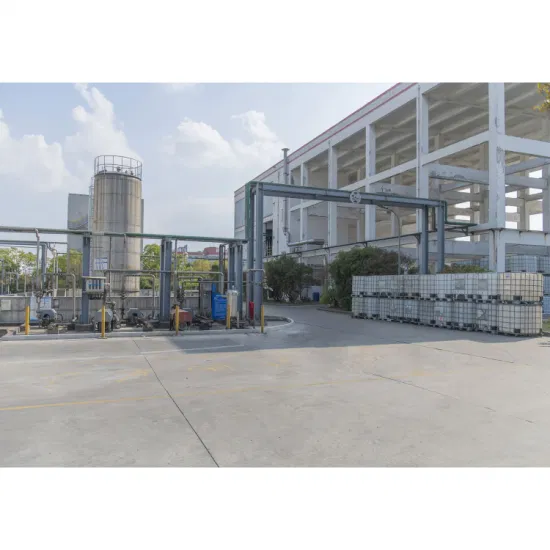
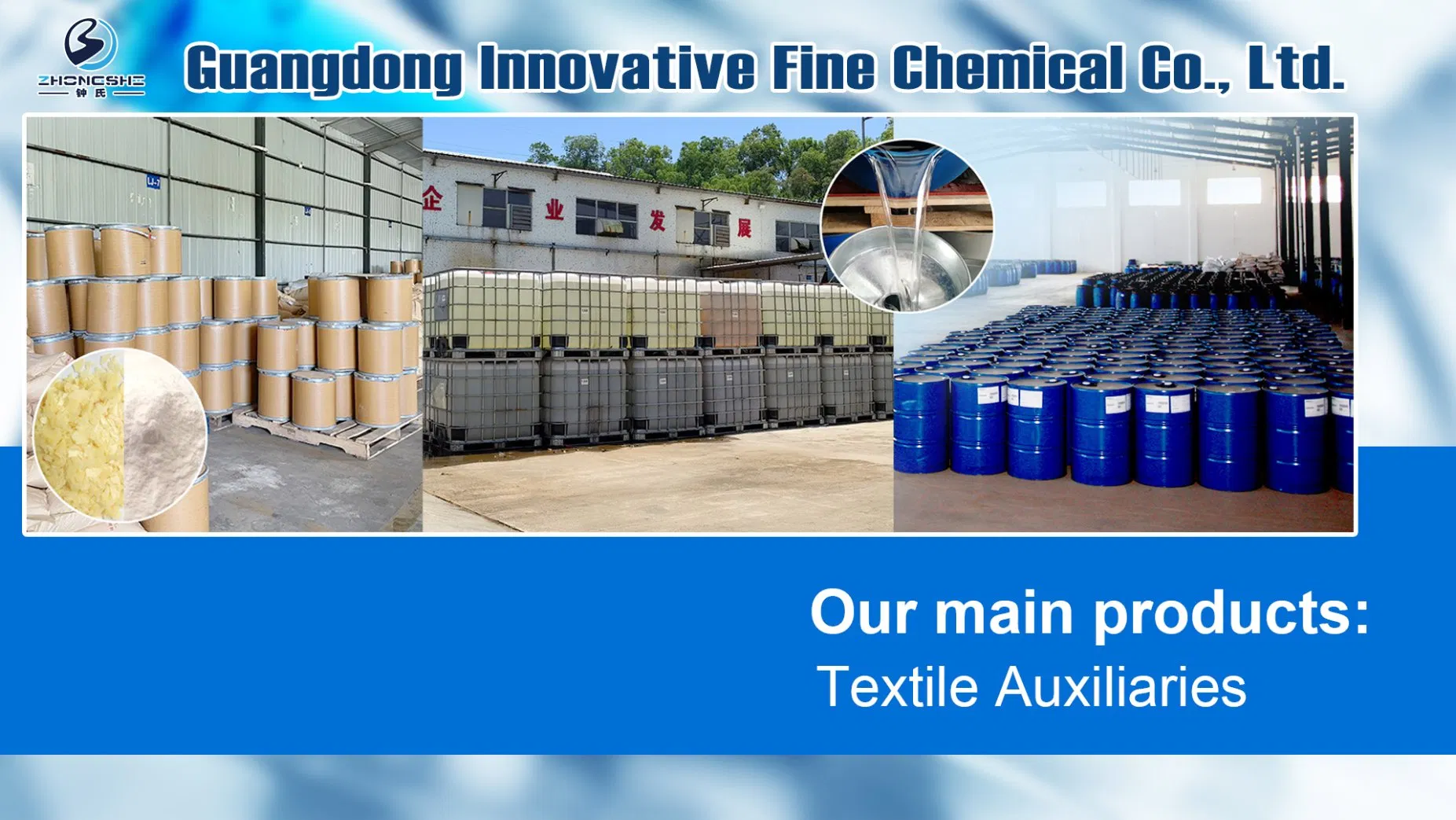
Listed packing options: 25 kg, 50 kg, 200 kg drums and 1000 kg IBC.
MOQ shown on source page: 200 kg.
Confirm whether drums are plastic, steel, or lined drums and whether IBCs are new or reconditioned.
Request palletization, net/gross weight, container loading quantity, and photos of export packing before shipment.
Source text notes that poor sealing or replacement with poorly sealed packaging may cause product deterioration; buyers should confirm sealing method, shelf-life, and storage sensitivity on the COA/SDS.
For LCL or mixed-container shipments, confirm leak-prevention, temperature exposure limits, and compatibility with other cargo.
Applications and sourcing options
Check whether this product fits the buyer's actual application.
Clear application, grade, package, and document notes help separate real sourcing demand from a vague price check.
Waterproofing or surface-treatment formulation development
Paper, leather, plastics, rubber, glass, ceramic, stone, or wood auxiliary applications where silicone emulsion compatibility is validated by the buyer
How we compare
Sourcing options
Standard 60% active/solids PDMS silicone oil emulsion in drum packing
Customized viscosity silicone emulsion based on buyer’s application requirements
Lower-solids hydroxy silicone oil emulsion option, reported around 30% solids
Sample order for lab qualification before commercial purchase
200 kg drum trial order
1000 kg IBC or container shipment for recurring industrial use
Private-label or customized specification supply subject to supplier confirmation
Human review
Compliance notes
CAS and formula fields appear incomplete on the source page; do not rely on listing title alone for regulatory classification.
Request SDS in the destination-market language or English, COA, TDS, product label, batch number, and composition disclosure to the extent needed for import screening.
Confirm whether the product is classified as dangerous goods for sea, air, or road transport; obtain non-DG statement or DG documentation from the supplier/freight forwarder as applicable.
Verify REACH, TSCA, DSL/NDSL, AICS/AIIC, K-REACH, ENCS, or other inventory status according to the buyer’s destination market and use case.
For textile applications, ask about restricted substances, APEO/NPEO status, formaldehyde, heavy metals, VOC, preservative/biocide content, and any textile-standard support documents if required by the buyer’s customers.
No regulatory approval or unrestricted importability should be assumed from the marketplace listing; compliance review should be completed by the importer or qualified adviser.
Confirm whether the product contains emulsifiers, preservatives, solvents, or additives that may affect customs classification, hazard classification, or textile compliance.
Buyer search paths
Related sourcing terms
These terms support long-tail discovery while keeping the page focused on useful product and China export buying context.
Share target market, quantity, packaging scope, artwork status, delivery destination, and required documents so CHN Chemicals can prepare a cleaner supplier comparison.
Questions to confirm
What is the exact CAS number or polymer identifier for this PDMS/silicone emulsion grade?
Is the quoted 60% active content measured as silicone active, total solids, or non-volatile content? Please provide the test method.
Can you provide a recent COA showing appearance, pH, solids/active content, viscosity, particle size if available, and centrifuge stability?
Which base silicone oil viscosity is used, and is viscosity customizable for textile-softener applications?
What emulsifier system is used, and is the emulsion nonionic, cationic, anionic, or amino-modified?
Does the product contain APEO/NPEO, formaldehyde, organotin, heavy metals, VOCs, or regulated preservatives?
Is this grade suitable for textile finishing without yellowing or shade change under the buyer’s process conditions? Can you provide application test data only, not processing instructions?
What is the shelf life in unopened original packaging, and what quality risks occur if sealing is compromised?
Checks before quote
CAS and formula fields appear incomplete on the source page; do not rely on listing title alone for regulatory classification.
Request SDS in the destination-market language or English, COA, TDS, product label, batch number, and composition disclosure to the extent needed for import screening.
Confirm whether the product is classified as dangerous goods for sea, air, or road transport; obtain non-DG statement or DG documentation from the supplier/freight forwarder as applicable.
Verify REACH, TSCA, DSL/NDSL, AICS/AIIC, K-REACH, ENCS, or other inventory status according to the buyer’s destination market and use case.
For textile applications, ask about restricted substances, APEO/NPEO status, formaldehyde, heavy metals, VOC, preservative/biocide content, and any textile-standard support documents if required by the buyer’s customers.
No regulatory approval or unrestricted importability should be assumed from the marketplace listing; compliance review should be completed by the importer or qualified adviser.
Confirm whether the product contains emulsifiers, preservatives, solvents, or additives that may affect customs classification, hazard classification, or textile compliance.
Next step
Send the product page with your target quantity and market. A sourcing manager can then confirm sample options, supplier fit, packaging details, and open document gaps.