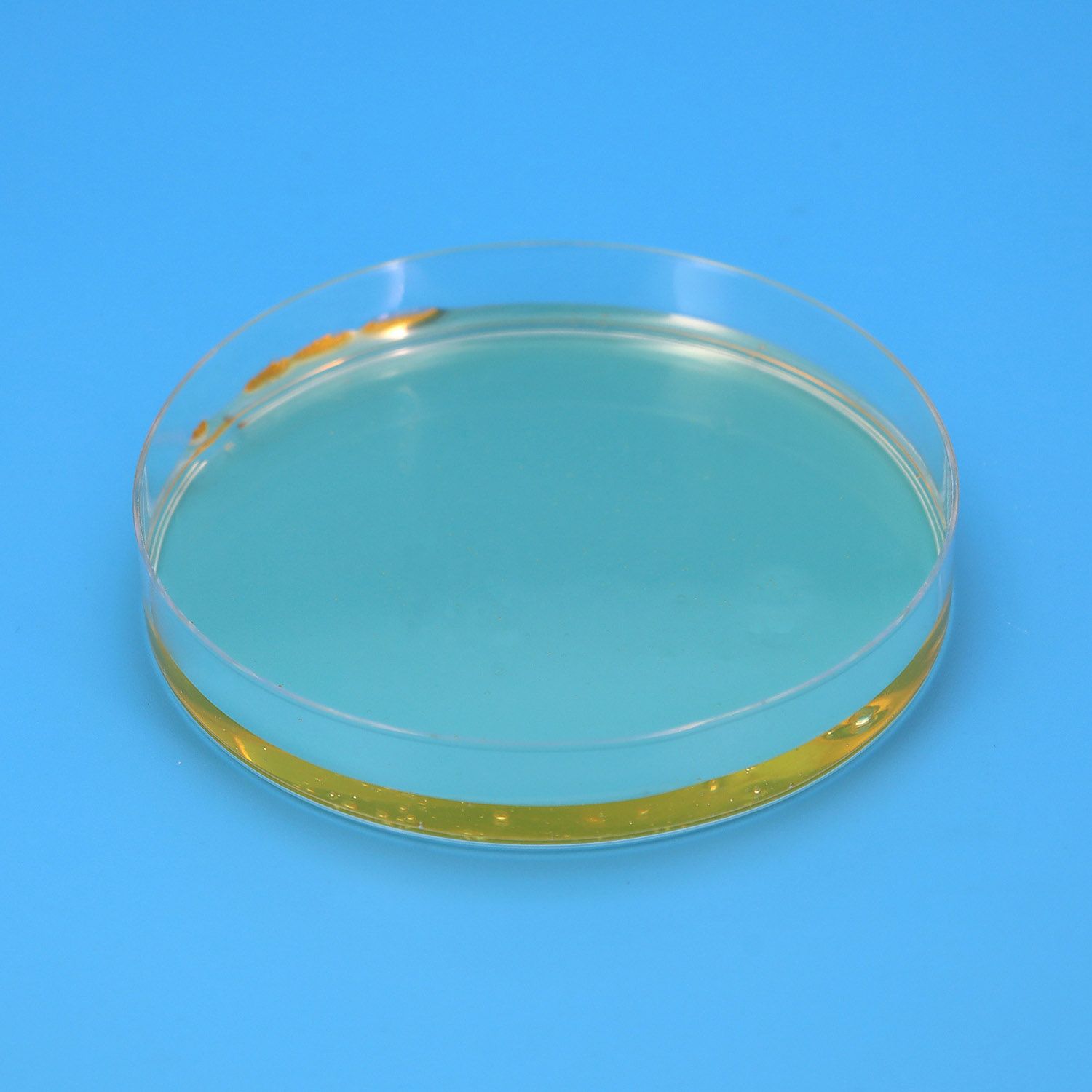
Weakly Cationic Silicone Oil Textile Softener UT-006, 125 kg Drums or IBC
Candidate sourcing profile for UT-006, a weakly cationic silicone oil emulsion softener for textile finishing. Buyer verification should focus on exact chemical identity or mixture disclosure, CAS status where applicable, active silicone content, ionic character, pH, viscosity, appearance, compatibility with the buyer’s process, impurity limits, export documentation, and packaging options before RFQ or sampling.
Quick buying facts
Identify the grade, package, and import market before comparing suppliers.
Use this page to check the product identity, common specification points, document scope, package notes, and destination-market questions before sending a China sourcing request.
CAS number: not provided; request CAS for active component(s) and full mixture disclosure where availableTextile auxiliary / silicone softener emulsionCandidate for RFQ after CAS/specification and SDS verification
Chemical description: weakly cationic silicone oil softener; mixture identity to be confirmed by supplier
CAS number: not provided; request CAS for active component(s) and full mixture disclosure where available
Appearance: transparent liquid with blue light, per source listing
Ionicity: weakly cationic, to be confirmed by test method
Application: textile finishing softener for various fabrics
Grade: textile auxiliary grade; no pharmaceutical, food, or cosmetic grade claim provided
Concentration / active content: not provided; request silicone active content or solid content
pH: not provided; request COA range
Viscosity: not provided; request COA range and test temperature
Solubility / dispersibility: listed as easily soluble or dispersible in water; buyer should confirm in own formulation system
Color fastness impact: supplier claims very little effect; request lab data by fabric type and shade
Who uses this page
Target buyers
Textile finishing mills
Fabric dyeing and finishing plants
Textile auxiliary distributors
Garment supply-chain chemical procurement teams
Home textile manufacturers
Knitted and woven fabric processors
Regional chemical importers serving textile mills
Before matching
Documents to check
CAS number, grade, assay, and impurity profile
SDS, COA, TDS, HS code, and transport classification
Destination-market import documents before supplier matching
Package and route
Packing notes
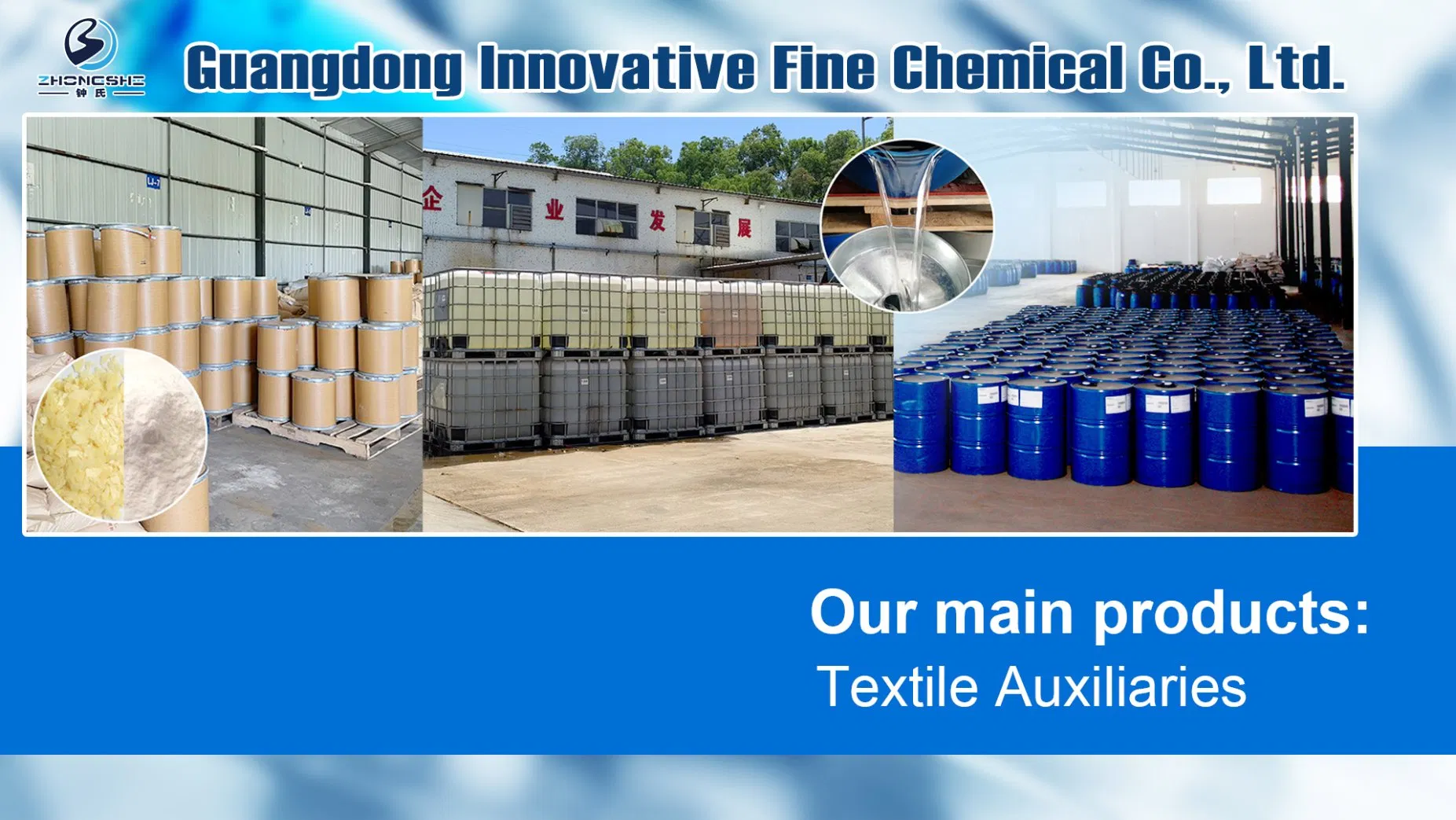
Available packing listed as 125 kg plastic barrels.
IBC tank option listed; source specification indicates 1 ton / IBC.
Confirm net weight, tare weight, palletization, container loading quantity, and whether drums are UN-rated if classified as dangerous goods.
Request sample packing size, sealed original packaging, batch label format, and shelf-life statement.
Confirm whether packaging is suitable for sea freight, temperature exposure, and long transit storage.
Applications and sourcing options
Check whether this product fits the buyer's actual application.
Clear application, grade, package, and document notes help separate real sourcing demand from a vague price check.
Use context
Common applications
Soft hand-feel finishing for woven or knitted fabrics
General textile softening where weakly cationic silicone compatibility is required
Buyer evaluation as an alternative to imported silicone softeners
Trial qualification for mills seeking drum or IBC supply from China
Distributor sourcing for textile auxiliary product lines
How we compare
Sourcing options
Request 1–5 kg lab sample with SDS, TDS, and representative COA.
Run side-by-side evaluation against current silicone softener using buyer’s own fabric and process conditions.
Start with 125 kg drum trial order after document and specification review.
Move to IBC supply after batch consistency and import clearance are confirmed.
Ask supplier for customized concentration, viscosity, or ionic profile only after confirming regulatory and performance requirements.
Human review
Compliance notes
Request current SDS in English and destination-market format before shipment.
Request COA for each batch, including appearance, pH, viscosity, active content or solids, and any agreed impurity limits.
CAS is not shown in the source page; because silicone softeners are often proprietary mixtures, buyers should request component-level regulatory disclosure sufficient for import clearance and inventory checks.
Confirm REACH, TSCA, DSL/NDSL, AICS/AIIC, K-REACH, IECSC, or other inventory status only through supplier documents and importer review; do not treat listing claims as regulatory guarantees.
Confirm DG classification, UN number if any, packing group if any, marine pollutant status, and transport temperature requirements from SDS.
Check whether the product contains restricted substances relevant to textile brands, such as APEO/NPEO, formaldehyde, heavy metals, organotin compounds, restricted solvents, PFAS, or substances controlled under buyer RSL/MRSL programs.
If marketed for eco-compliance, request supporting test reports such as ZDHC MRSL conformance, OEKO-TEX-related documentation, bluesign-related documentation, or brand-specific declarations where applicable.
Verify export documents: commercial invoice, packing list, COA, SDS, certificate of origin, and any required chemical registration or non-DG statement.
Buyer search paths
Related sourcing terms
These terms support long-tail discovery while keeping the page focused on useful product and China export buying context.
Share target market, quantity, packaging scope, artwork status, delivery destination, and required documents so CHN Chemicals can prepare a cleaner supplier comparison.
Questions to confirm
What is the full product composition disclosure available for import and compliance review, including CAS numbers for reportable components?
What is the guaranteed active silicone content or solid content for UT-006?
Please provide a recent COA with test methods for pH, viscosity, appearance, active content, and ionic character.
Is UT-006 an emulsion, microemulsion, or modified silicone fluid formulation?
What are the recommended specification limits for impurities or restricted substances relevant to textile MRSL/RSL requirements?
Can you provide English SDS, TDS, COA, and shelf-life statement before sample dispatch?
Is the product classified as dangerous goods for sea, air, or road transport? If non-DG, can you provide a transport statement?
What is the minimum order quantity for trial order, standard export order, and IBC packing?
Checks before quote
Request current SDS in English and destination-market format before shipment.
Request COA for each batch, including appearance, pH, viscosity, active content or solids, and any agreed impurity limits.
CAS is not shown in the source page; because silicone softeners are often proprietary mixtures, buyers should request component-level regulatory disclosure sufficient for import clearance and inventory checks.
Confirm REACH, TSCA, DSL/NDSL, AICS/AIIC, K-REACH, IECSC, or other inventory status only through supplier documents and importer review; do not treat listing claims as regulatory guarantees.
Confirm DG classification, UN number if any, packing group if any, marine pollutant status, and transport temperature requirements from SDS.
Check whether the product contains restricted substances relevant to textile brands, such as APEO/NPEO, formaldehyde, heavy metals, organotin compounds, restricted solvents, PFAS, or substances controlled under buyer RSL/MRSL programs.
If marketed for eco-compliance, request supporting test reports such as ZDHC MRSL conformance, OEKO-TEX-related documentation, bluesign-related documentation, or brand-specific declarations where applicable.
Verify export documents: commercial invoice, packing list, COA, SDS, certificate of origin, and any required chemical registration or non-DG statement.
Next step
Send the product page with your target quantity and market. A sourcing manager can then confirm sample options, supplier fit, packaging details, and open document gaps.