Belarus ready to resume potash fertilizer exports via Baltic ports
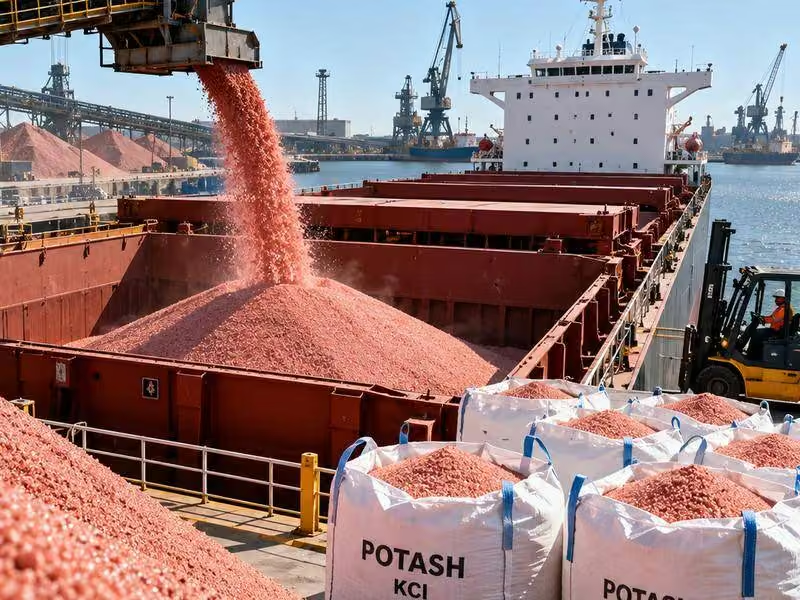
Key facts
- Belarusian Foreign Minister Maksim Ryzhenkov stated Minsk is prepared to resume potash exports via Baltic ports only with reliable guarantees against new restrictions
- After Baltic transit halted, Belarus redirected export flows to alternative routes, causing transportation and transshipment revenues to accrue to Russian companies and other foreign partners
- The next extension of sanctions against Belarus is expected in February, while the United States removed Belarus from certain sanctions lists in March 2026
- No specific decisions have been made to restart the export of Belarusian potash through Baltic ports, as political agreements alone are insufficient without sanctions adjustments
Talks about potentially restoring Baltic transit are unfolding against a backdrop of reports that Washington is pressuring Lithuania and that shipments of Belarusian potash to the United States have resumed.
Minsk is prepared to consider resuming the transit of potash fertilizers and other export goods through Baltic ports, provided it receives reliable guarantees that no new restrictions will be imposed. Foreign Minister Maksim Ryzhenkov made the statement in an interview with the Indian television channel CNN-News18, according to Interfax, citing BelTA.
The minister noted that after transport via the Baltic states was halted, Belarus redirected its export flows to alternative routes. Consequently, revenues from the transportation and transshipment of fertilizers now accrue to Russian companies and other foreign partners of Minsk.
Belarus demands transit guarantees
Ryjenkov stated that Minsk is prepared to resume talks on the use of Baltic ports, provided neighboring countries restore confidence in the transport of Belarusian goods.
A central condition, he noted, must be firm assurances that transit restrictions will not be reimposed.
The minister emphasized that even if an agreement is reached, this does not imply a return of existing export flows to their former routes.
According to him, Baltic ports could primarily be utilized for additional product volumes that are not currently part of Belarus's foreign trade.
Consequently, Minsk has no plans to abandon the logistics infrastructure already established through Russian ports.
US seeks to revise potassium transit restrictions
A statement from the Belarusian minister came amid reports of a potential reassessment of the sanctions regime.
Politico previously reported, citing European officials, that US President Donald Trump is pressuring Lithuania to secure the removal of EU restrictions that block the transit of Belarusian potash fertilizers through the port of Klaipeda.
Lithuania is set to assume the presidency of the Council of the European Union in the first half of 2027. Meanwhile, the next extension of sanctions against Belarus is expected in February.
Theoretically, Vilnius could obstruct the renewal of these restrictive measures if the relevant decision requires the unanimous consent of all European Union member states.
In March 2026, the United States removed Belaruskali and its export trader, the Belarusian Potash Company (BPC), from the US SDN sanctions list.
Following this, the first shipment of Belarusian potash fertilizers was dispatched to the United States via the Russian port of St. Petersburg. A subsequent delivery is currently being prepared.
Pre-sanctions, up to 11 million tons of fertilizers passed through Klaipėda annually
Lithuania served as the primary transit route for Belarusian potassium chloride exports before the implementation of current restrictions.
Approximately 10 to 11 million tons of product were handled through the Port of Klaipėda each year, representing virtually the entire export volume of Belaruskali.
On February 1, 2022, the Lithuanian government terminated its transit agreement with the company for fertilizer shipments.
Following the loss of access to Klaipėda, Belarus began rerouting its exports via Russian seaports. Concurrently, rail shipments of mineral fertilizers to China were expanded.
Prior to the imposition of Western sanctions, Belaruskali supplied products to 107 countries through BKK, holding a share of over 20% in the global export market for potassium fertilizers.
Return to the Baltics does not mean abandoning Russian ports
The potential resumption of transit through Lithuania and other Baltic states could offer Belarusian exporters additional logistical options.
However, existing routes via Russia already facilitate export shipments and generate revenue for transport firms, port operators, and other participants in the logistics chain.
Minsk's position entails maintaining these routes even if European restrictions are eased.
For the actual resumption of shipments, political agreements alone are insufficient; the sanctions regime must be adjusted, and terms for rail transit and port transshipment must be coordinated.
No specific decisions have yet been made to restart the export of Belarusian potash through Baltic ports.
Chnchemicals take
This development signals that geopolitical stability remains the primary determinant for potash supply chain reliability, as Minsk demands binding guarantees before restoring efficient Baltic logistics. For traders and buyers, the current diversion of flows to Russian partners increases transportation costs and reduces route flexibility, creating persistent volatility in global fertilizer pricing. Until the sanctions regime is formally adjusted and transit terms are coordinated, the risk of sudden supply disruptions remains elevated for downstream chemical producers.
Frequently asked questions
What conditions has Belarus set for resuming potash fertilizer exports through Baltic ports?
Belarus requires firm assurances that transit restrictions will not be reimposed. Foreign Minister Maksim Ryzhenkov stated that Minsk is prepared to consider resuming transit only if neighboring countries restore confidence in the transport of Belarusian goods.
How has the halt of Baltic transit affected Belarusian potash export revenues?
Revenues from transportation and transshipment now accrue to Russian companies and other foreign partners. Belarus redirected its export flows to alternative routes after transport via the Baltic states was halted, shifting the economic benefits away from Minsk.
What political factors could influence the resumption of Belarusian potash exports to the US?
The US removed Belarus from certain sanctions lists in March 2026, and shipments to the US have resumed. However, actual resumption of Baltic transit requires adjustments to the sanctions regime and coordination of rail and port terms.