CCHN ChemicalsChemical export sourcing from ChinaStart RFQ
Feed Grade Tapioca/Cassava Residue for Animal Feed Sourcing sourcing visualNeeds specification and origin verification
Back to sourcing hubFood & Feed

Feed Grade Tapioca/Cassava Residue for Animal Feed Sourcing

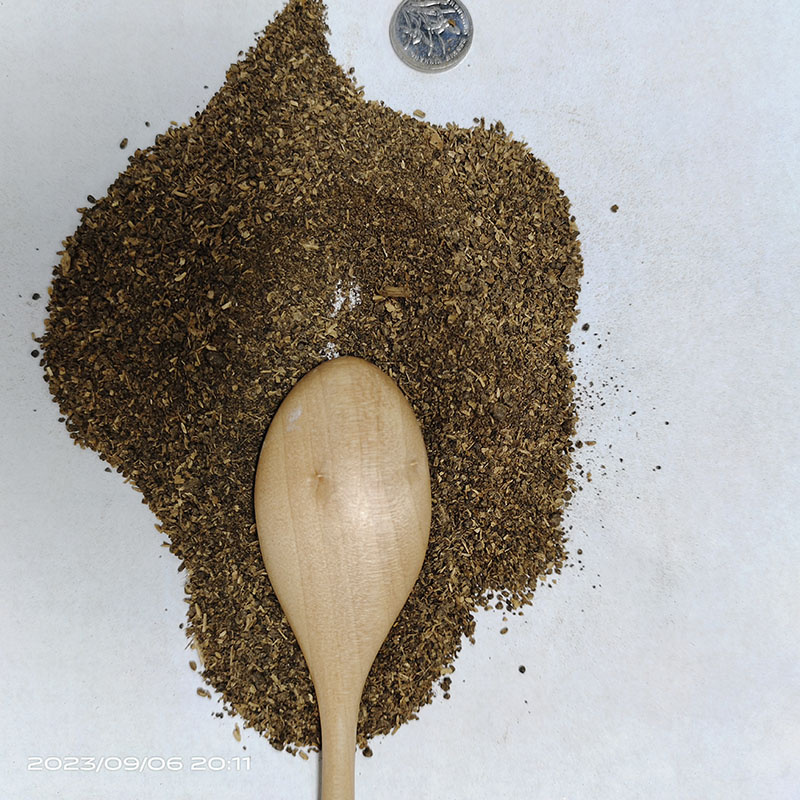
Feed grade tapioca residue, also described as cassava residue, is a starch-processing by-product used as a fiber and energy ingredient in animal feed formulations. This candidate should be sourced with batch COA review for moisture, crude protein, ash, crude fiber, particle appearance, origin, packing, and feed-grade documentation, as the source page provides limited analytical detail and mixed origin wording.

Quick buying facts

Identify the grade, package, and import market before comparing suppliers.

Use this page to check the product identity, common specification points, document scope, package notes, and destination-market questions before sending a China sourcing request.

CAS number: not applicable for this agricultural by-product; confirm botanical source and processing origin insteadFeed additive / feed ingredient by-productNeeds specification and origin verification
Identity and grade

Typical specifications

  • Material: tapioca residue / cassava residue from starch processing by-product
  • CAS number: not applicable for this agricultural by-product; confirm botanical source and processing origin instead
  • Grade: feed grade; verify suitability for target animal species and local feed regulations
  • Appearance: light yellow to brown powder or residue material, per supplier listing
  • Crude protein: listed as >8%; request exact batch value and test method
  • Moisture: listed around 14% in attributes and <13% in product text; clarify contractual limit
  • Ash: mentioned but incomplete in extracted text; request full ash specification
  • Crude fiber / starch residue content: request declared range and method
  • Impurity checks: foreign matter, sand/silica, mold, mycotoxins, pesticide residues, heavy metals, and microbiological limits as applicable
  • Origin: listing title references Vietnam while product attributes show China; confirm actual country of origin and plant location
Who uses this page

Target buyers

  • Animal feed mills
  • Premix and feed ingredient distributors
  • Livestock nutrition buyers
  • Aquaculture feed producers evaluating fiber/energy ingredients
  • Importers sourcing agricultural by-products from Asia
Before matching

Documents to check

  • CAS number, grade, assay, and impurity profile
  • SDS, COA, TDS, HS code, and transport classification
  • Destination-market import documents before supplier matching
Package and route

Packing notes

  • Listed transport packing: 25 kg / 50 kg bags; confirm bag material, liner, palletization, and container loading quantity
  • Request moisture-resistant packaging suitable for sea freight where applicable
  • Confirm shelf life, storage condition statement, and whether anti-caking or preservative additives are used
  • Ask whether private label or customized packaging is available with compliant feed labeling
Applications and sourcing options

Check whether this product fits the buyer's actual application.

Clear application, grade, package, and document notes help separate real sourcing demand from a vague price check.

Use context

Common applications

  • Feed formulation ingredient where cassava/tapioca by-products are permitted
  • Ruminant feed applications subject to nutritionist approval and local rules
  • Aquaculture or livestock feed trials after COA and contaminant screening
  • Cost-sensitive replacement or supplemental ingredient sourcing for fiber and residual carbohydrate contribution
How we compare

Sourcing options

  • Spot purchase with pre-shipment sample and batch COA approval
  • Annual or quarterly supply contract with agreed moisture and contaminant limits
  • Private-label bagging if compliant destination-market labeling is confirmed
  • Third-party inspection for weight, moisture, packing, and container loading
  • Destination-specific documentation package for feed ingredient import clearance
Human review

Compliance notes

  • Request COA for each batch covering moisture, crude protein, ash, crude fiber, and relevant contaminants
  • Request feed-grade declaration, origin certificate, invoice/packing list, and any available ISO/QS/CCC documentation claimed by the supplier
  • Confirm import requirements for animal feed ingredients in the buyer's destination country before shipment
  • DG status is likely non-dangerous for transport, but supplier should confirm with SDS or transport statement where required
  • Check plant-derived feed ingredient restrictions, quarantine requirements, fumigation needs, and GMO/non-GMO declarations if relevant
  • No regulatory approval or market access should be assumed from the supplier listing alone
Buyer search paths

Related sourcing terms

These terms support long-tail discovery while keeping the page focused on useful product and China export buying context.

tapioca residue feed gradecassava residue animal feedcassava pulp feed ingredientfeed additive supplier Vietnamtapioca by-product feedcassava residue powderanimal feed filler ingredientfeed grade agricultural by-product
RFQ questions before supplier matching

Turn this product into a quote request.

Share target market, quantity, packaging scope, artwork status, delivery destination, and required documents so CHN Chemicals can prepare a cleaner supplier comparison.

Questions to confirm
  • What is the exact product name on COA: tapioca residue, cassava residue, cassava pulp, or another feed ingredient designation?
  • Can you provide a recent batch COA with crude protein, moisture, ash, crude fiber, starch, and foreign matter results?
  • Is the contractual moisture limit <13%, 14%, or another value?
  • What is the actual country of origin and production site: Vietnam, China, or another location?
  • Which animal species is the material commonly supplied for, and what feed-grade documents are available?
  • Can you test for mycotoxins, heavy metals, pesticide residues, salmonella, mold/yeast, and sand/silica?
  • What is the standard packing, net weight, pallet format, and container loading quantity for 20 ft and 40 ft shipments?
  • Is the product sun-dried, mechanically dried, fermented, or otherwise processed?
Checks before quote
  • Request COA for each batch covering moisture, crude protein, ash, crude fiber, and relevant contaminants
  • Request feed-grade declaration, origin certificate, invoice/packing list, and any available ISO/QS/CCC documentation claimed by the supplier
  • Confirm import requirements for animal feed ingredients in the buyer's destination country before shipment
  • DG status is likely non-dangerous for transport, but supplier should confirm with SDS or transport statement where required
  • Check plant-derived feed ingredient restrictions, quarantine requirements, fumigation needs, and GMO/non-GMO declarations if relevant
  • No regulatory approval or market access should be assumed from the supplier listing alone
Next step

Send the product page with your target quantity and market. A sourcing manager can then confirm sample options, supplier fit, packaging details, and open document gaps.