Sodium Humate Flakes for Feed and Agriculture Export Sourcing
Buyer-facing sourcing profile for sodium humate big flakes extracted from leonardite/lignite, offered for feed additive and agricultural input channels. Key checks for overseas buyers include CAS confirmation, humic acid dry-basis assay, fulvic acid range, water solubility, pH, moisture, particle size, heavy metal limits, feed-grade suitability, packing format, export documents, and India import compliance review before RFQ placement.
Quick buying facts
Identify the grade, package, and import market before comparing suppliers.
Use this page to check the product identity, common specification points, document scope, package notes, and destination-market questions before sending a China sourcing request.
CAS to verify with supplier: commonly referenced as humic acids, sodium salts CAS 68131-04-4; buyer should confirm exact registration used on COA/SDS/export documentsSodium humate / humic acid sodium salt flakes, feed additive and agricultural input candidateHuman review
Product name: Sodium humate, 70% grade as advertised
CAS to verify with supplier: commonly referenced as humic acids, sodium salts CAS 68131-04-4; buyer should confirm exact registration used on COA/SDS/export documents
Source material: extracted from leonardite or lignite
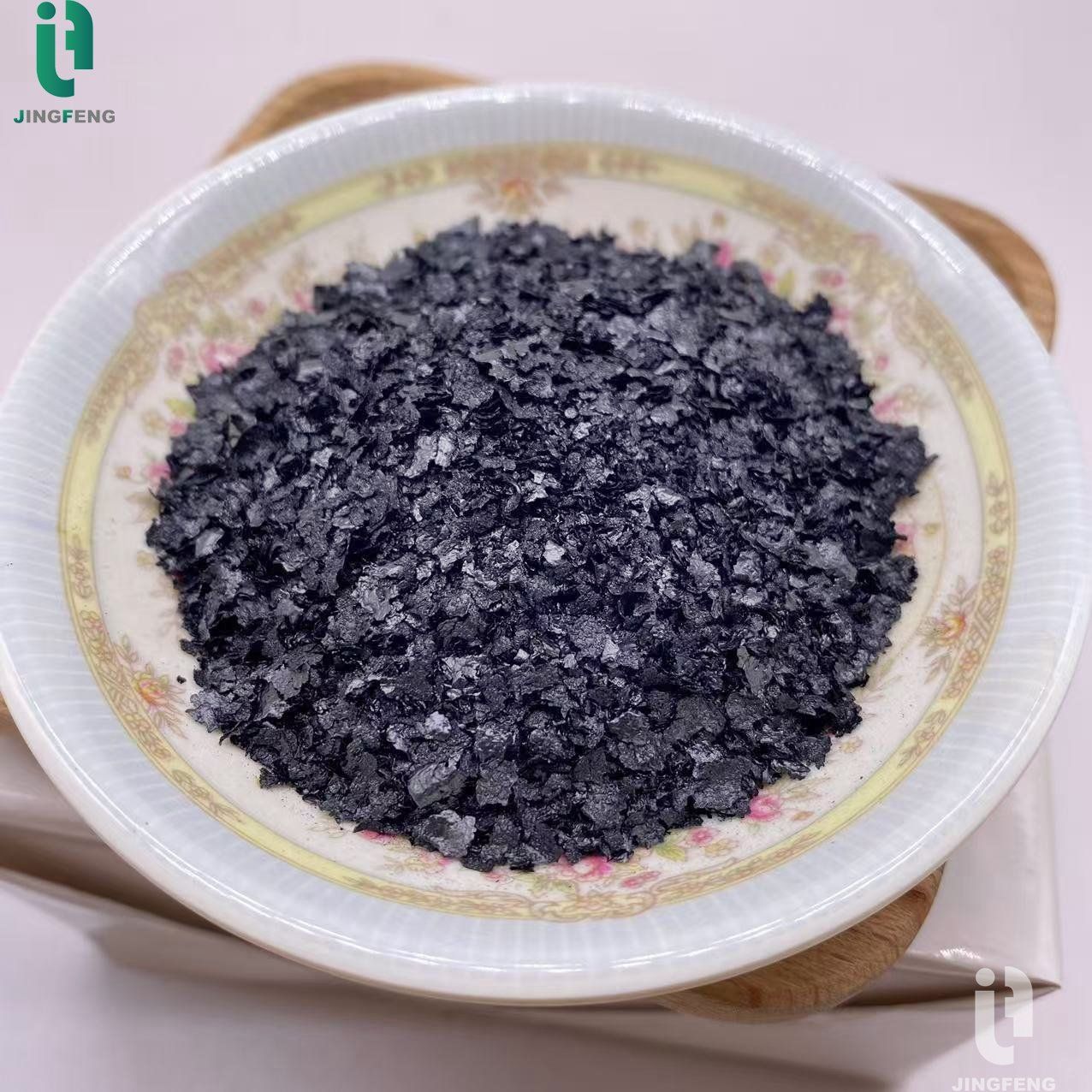
Appearance: black shiny flake, crystal, or powder
Humic acid dry basis: 65%-70% min as advertised
Fulvic acid: 10%-20% as advertised in listing text
Water solubility: 100% as advertised
Moisture: 15% max as advertised
Particle size: 3-6 mm for big flakes; 80-100 mesh for powder option
Livestock and poultry feed premix buyers seeking humic substance inputs
Agricultural input distributors sourcing humic acid sodium salt flakes
Chemical trading companies handling non-hazardous specialty additives
Private-label packers requiring OEM bag size and export documentation
Before matching
Documents to check
CAS number, grade, assay, and impurity profile
SDS, COA, TDS, HS code, and transport classification
Destination-market import documents before supplier matching
Package and route
Packing notes
Advertised packing includes 20 kg woven bags, 25 kg kraft bags, and OEM package options
Confirm inner liner, moisture barrier, palletization, container loading plan, and bag marking before order
Request sample availability and sample COA before bulk shipment
Confirm whether 1 kg, 10 kg, 20 kg, and 25 kg retail or trial packs are available for export use
Ask whether packaging can show feed additive, agriculture input, or technical-grade labeling according to destination requirements
Applications and sourcing options
Check whether this product fits the buyer's actual application.
Clear application, grade, package, and document notes help separate real sourcing demand from a vague price check.
Use context
Common applications
Feed additive candidate requiring local regulatory and formulation approval before use
Aquaculture feed input candidate subject to residue, heavy metal, and feed-grade checks
Agricultural biostimulant or soil input candidate where humic acid content and solubility are key buying specs
Industrial humic substance application where pH, solubility, particle size, and dry-basis assay drive acceptance
OEM repacking programs for regional distributors after document and grade verification
How we compare
Sourcing options
Big shiny flakes, 3-6 mm
Powder option, 80-100 mesh as listed
20 kg woven bag packing
25 kg kraft bag packing
OEM small-pack options listed as 1 kg, 10 kg, 20 kg, and 25 kg
Sample order before container purchase
FOB China port quotation for buyer-controlled freight
CIF or CFR India port quotation for landed cost comparison
Human review
Compliance notes
For India-bound feed additive sourcing, confirm whether the product is permitted for the intended animal category and whether additional registration, import permit, FSSAI, veterinary, or feed authority review is required
Request COA, SDS, TDS/specification sheet, certificate of origin, packing list, commercial invoice, and any available ISO or organic-related certificate copies
Confirm heavy metals, arsenic, lead, cadmium, mercury, chromium, microbiological limits where relevant, and insoluble matter before feed-related use
Do not rely on therapeutic, disease-control, detoxification, survival-rate, or treatment claims in the source listing for compliance evaluation
Confirm whether the supplier can provide batch traceability, production lot number, retained sample policy, and third-party test reports
Verify DG status, UN number applicability if any, export classification, and airline/sea freight acceptance with the supplier and freight forwarder
Supplier advertises Incoterms including FOB, EXW, CFR, CIF, DAP, DDP, FCA, CPT, CIP, FAS, and DAT; confirm realistic terms for the destination and commodity classification
Payment terms advertised include LC, T/T, PayPal, Western Union, small-amount payment, MoneyGram; conduct supplier due diligence before advance payment
Buyer search paths
Related sourcing terms
These terms support long-tail discovery while keeping the page focused on useful product and China export buying context.
Share target market, quantity, packaging scope, artwork status, delivery destination, and required documents so CHN Chemicals can prepare a cleaner supplier comparison.
Questions to confirm
What CAS number and chemical description will appear on the COA, SDS, invoice, and export declaration?
Is this product sold as feed grade, agriculture grade, industrial grade, or technical grade, and what standard supports that grade claim?
Can you provide recent batch COA showing humic acid dry basis, fulvic acid, moisture, pH, solubility, ash, particle size, and insoluble matter?
Can you provide heavy metal test results for Pb, As, Cd, Hg, Cr and any destination-specific feed limits?
Is the source material leonardite or lignite, and can you provide origin and extraction process summary without proprietary details?
What is the exact packing: bag material, net weight, liner, pallet size, container loading quantity, and shelf-life statement?
Can you provide SDS, TDS, certificate of origin, ISO certificate, organic certificate copy if claimed, and third-party inspection report?
Have you exported this product to India before, and under which HS code and product description?
Checks before quote
For India-bound feed additive sourcing, confirm whether the product is permitted for the intended animal category and whether additional registration, import permit, FSSAI, veterinary, or feed authority review is required
Request COA, SDS, TDS/specification sheet, certificate of origin, packing list, commercial invoice, and any available ISO or organic-related certificate copies
Confirm heavy metals, arsenic, lead, cadmium, mercury, chromium, microbiological limits where relevant, and insoluble matter before feed-related use
Do not rely on therapeutic, disease-control, detoxification, survival-rate, or treatment claims in the source listing for compliance evaluation
Confirm whether the supplier can provide batch traceability, production lot number, retained sample policy, and third-party test reports
Verify DG status, UN number applicability if any, export classification, and airline/sea freight acceptance with the supplier and freight forwarder
Supplier advertises Incoterms including FOB, EXW, CFR, CIF, DAP, DDP, FCA, CPT, CIP, FAS, and DAT; confirm realistic terms for the destination and commodity classification
Payment terms advertised include LC, T/T, PayPal, Western Union, small-amount payment, MoneyGram; conduct supplier due diligence before advance payment
Next step
Send the product page with your target quantity and market. A sourcing manager can then confirm sample options, supplier fit, packaging details, and open document gaps.